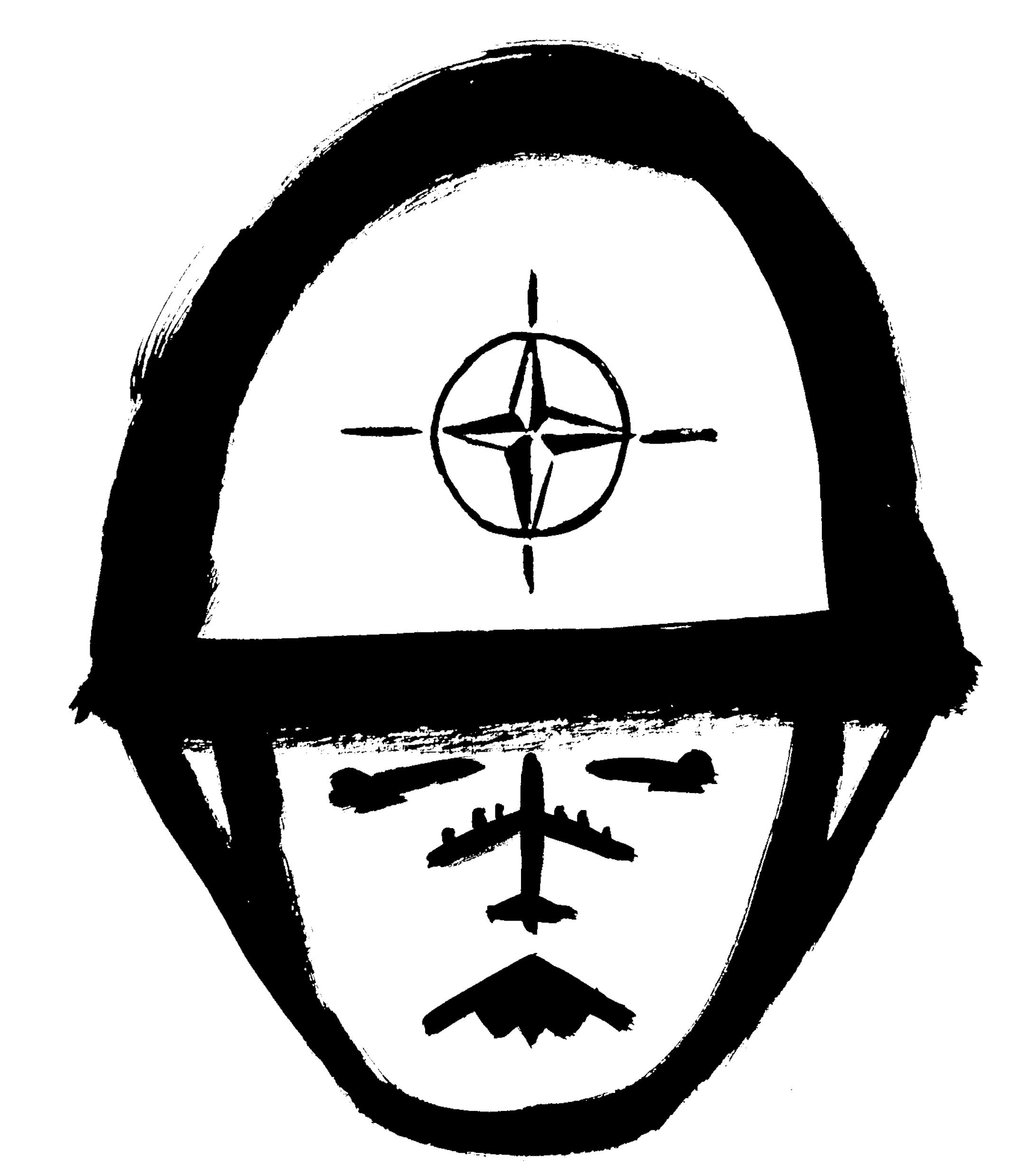
"Asymmetric warfare" is not new. But the term has gained currency since the "war on terror" replaced the Cold War against a rival superpower as America's preoccupying threat.
Defined by the Rand Corporation as "conflicts between nations or groups that have disparate military capabilities and strategies," asymmetric war takes many forms. While the threats are still martial, they've morphed: In Afghanistan and Iraq, uniformed armies with identifiable armaments were sometimes supplanted by civilian-clad saboteurs wielding unconventional weapons like suicide bombs.
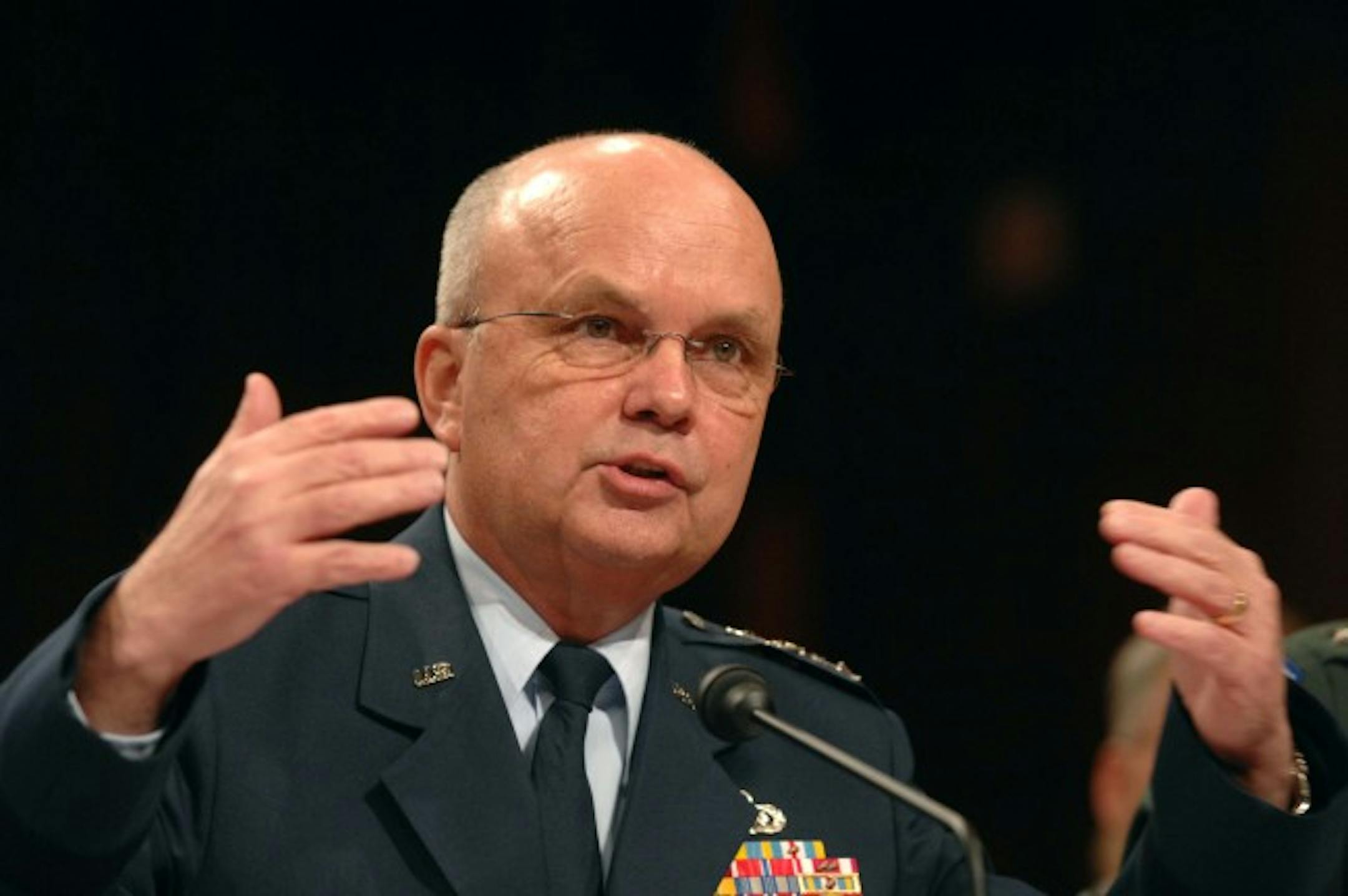
U.S. forces have had to adapt, according to former CIA Director Michael Hayden, one of four keynote speakers at the U.S. Army War College's National Security Seminar. The annual seminar, which I attended last week, is the capstone to the 10-month curriculum for select U.S. and international officers. Besides big-picture keynote addresses and breakout sessions on hot topics like Syria, seminars led by Army War College faculty members broadly explore the national security implications of social, political and economic problems.
Per longstanding tradition, the seminar adheres to a nonattribution policy, so keynotes are characterized, not quoted. But based on speaker selection and lecture title alone, it's apparent that there are challenges on both the home front and the front lines. Hayden, for instance, went beyond military matters, stressing how strategists need to maneuver within an ever-evolving U.S. society. Each speech was made more relevant by the week's news, which showed that what's studied at the War College isn't abstract academia, but often the stuff of explosive headlines.
For example, on June 4, ACLU President Susan Herman gave a speech entitled "Challenges to American traditions of liberty, due process and equality in a changing world." The very next day, the Guardian newspaper began its series of bombshells about secret surveillance by the National Security Agency — just one example of the U.S. response to this asymmetric era. This week, the ACLU made news of its own when it sued the Obama administration over the NSA "dragnet."
NSA surveillance isn't the only tactic under scrutiny: The most notable topics in President Obama's recent speech on national security were his defense of drone attacks and his desire to close the Guantanamo Bay detention center — two of the more-controversial responses to this asymmetric era.
Another headline, however, concerned not a new enemy but an old scourge: sexual harassment and assault. While Herman spoke of equality, uniformed leaders testified before Congress about the military's metastasizing scandal.
Other asymmetric challenges coming from the Beltway and still-struggling Main Street were addressed by Minnesota native Norman Ornstein, resident scholar at the American Enterprise Institute, and Gordon Adams, professor of U.S. foreign policy at the School of International Service at American University.