By Jule Cart • Los Angeles Times
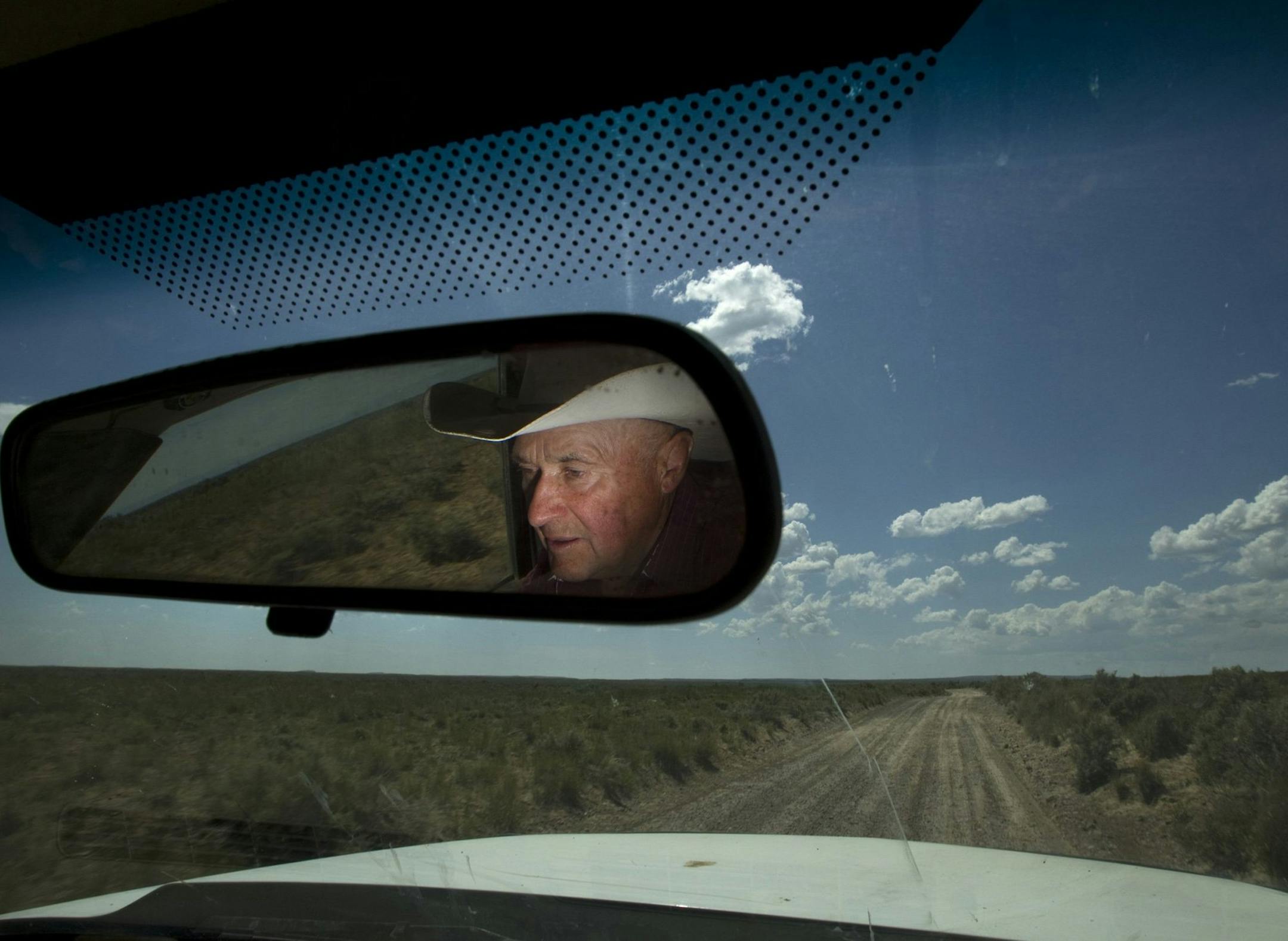
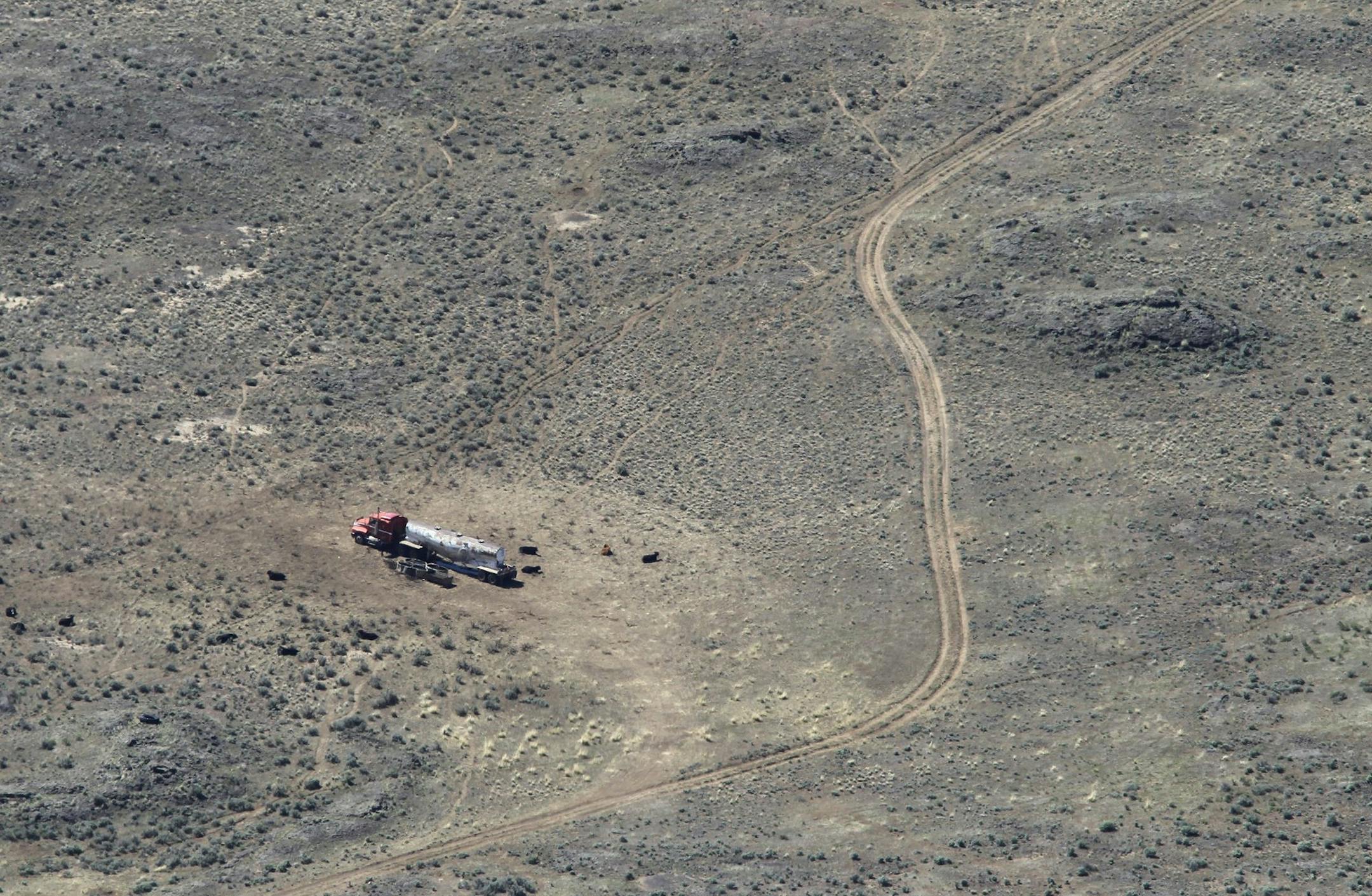
SNAKE RIVER PLAIN, Idaho – There's not much anyone can tell Barry Sorensen about Idaho's Big Desert that he doesn't know. Sorensen, 72, and his brother have been running cattle in this sere landscape all their lives, and they've weathered every calamity man and nature have thrown at them — until this drought came along.
Sitting in a rustic cabin where he spends many months looking after his cattle, Sorensen's voice was tinged with defeat. "To be honest with you," he said, "I think our way of life is pretty much going to be over in 10 years."
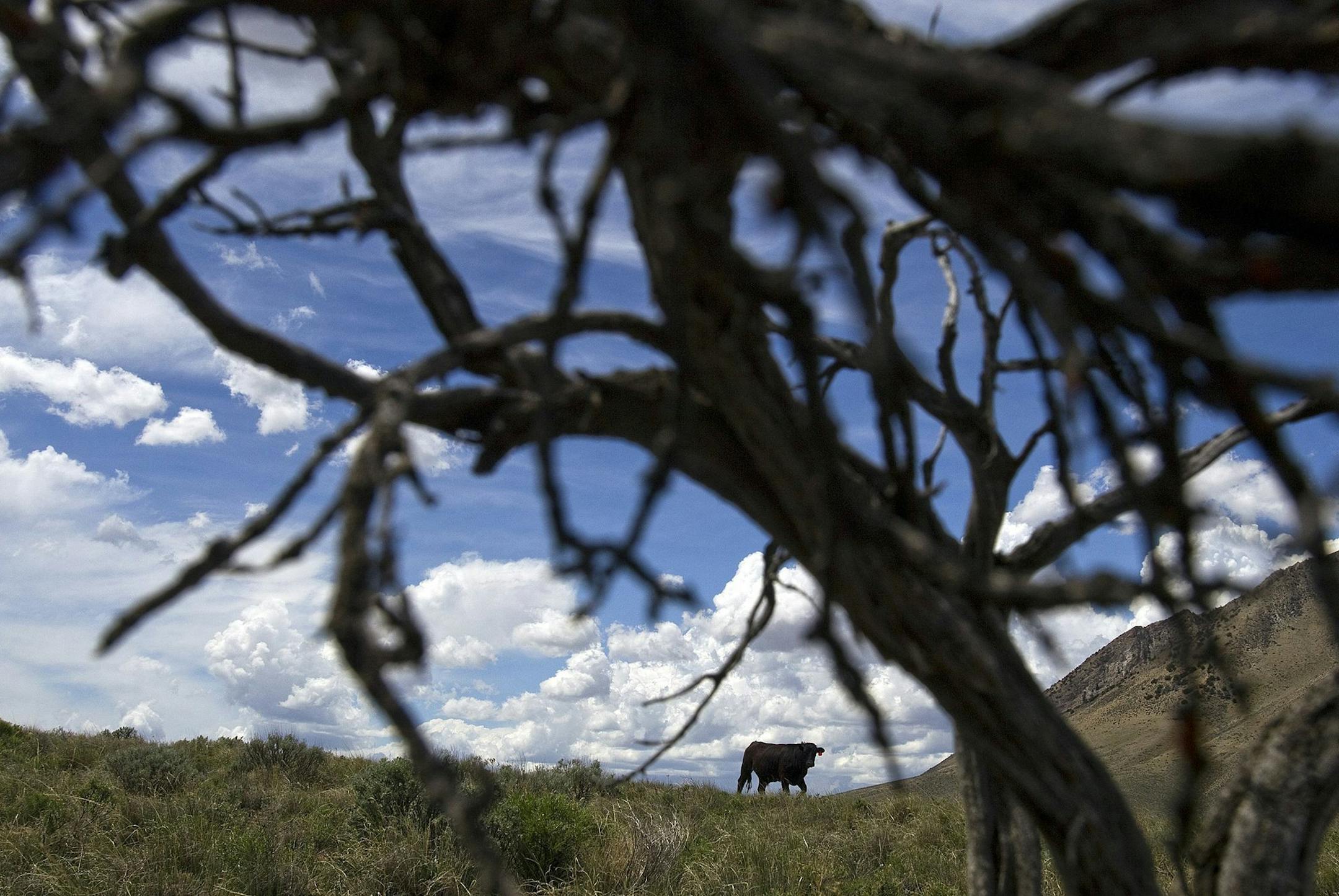
Yearslong drought has pummeled millions of acres of federal rangeland in the West into dust, leaving a devastating swath from the Rockies to the Pacific. Add to that climate change, invasive plants and wildfire seasons that are longer and more severe, and conditions have reached a breaking point in many Western regions. The land can no longer support both livestock and wildlife.
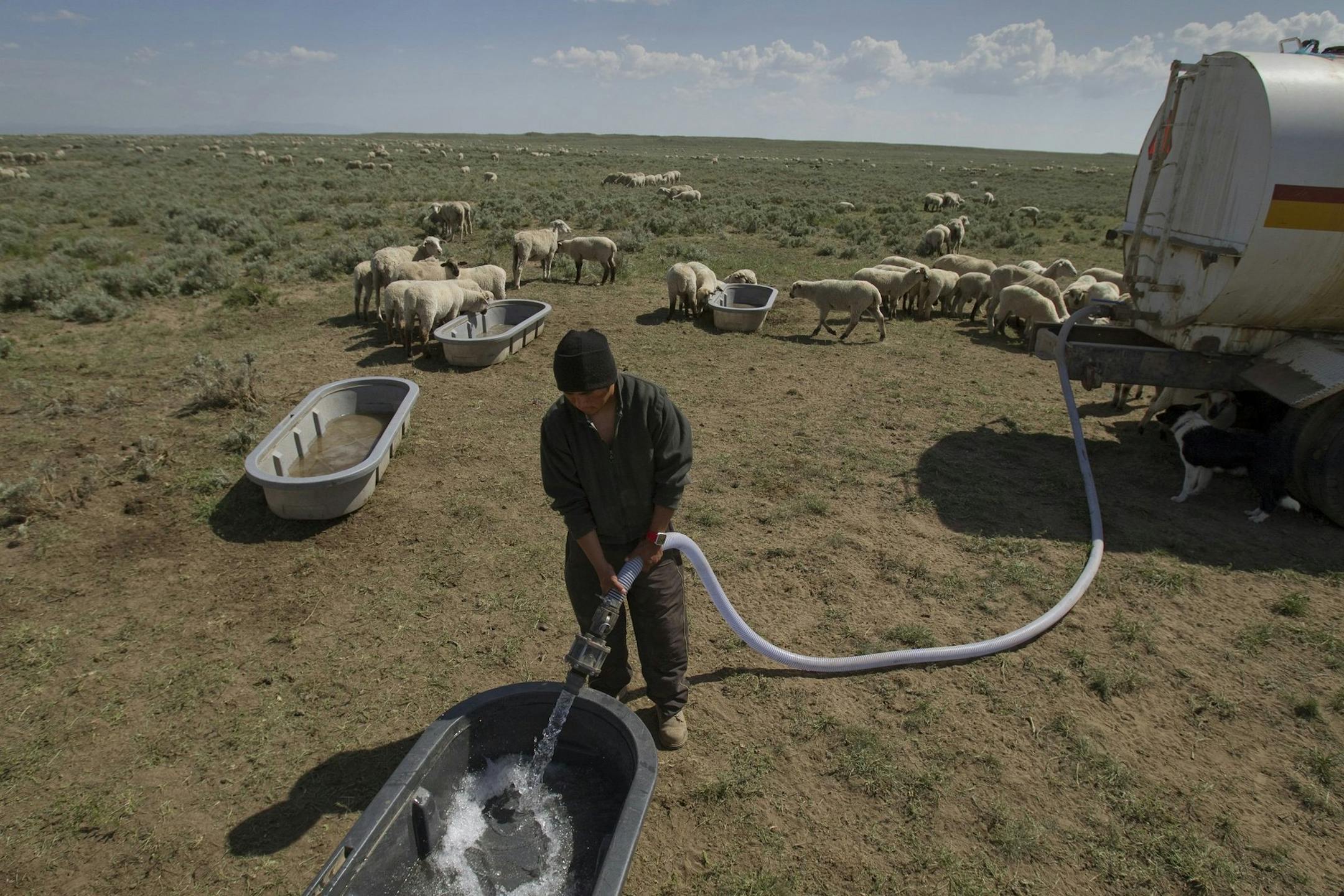
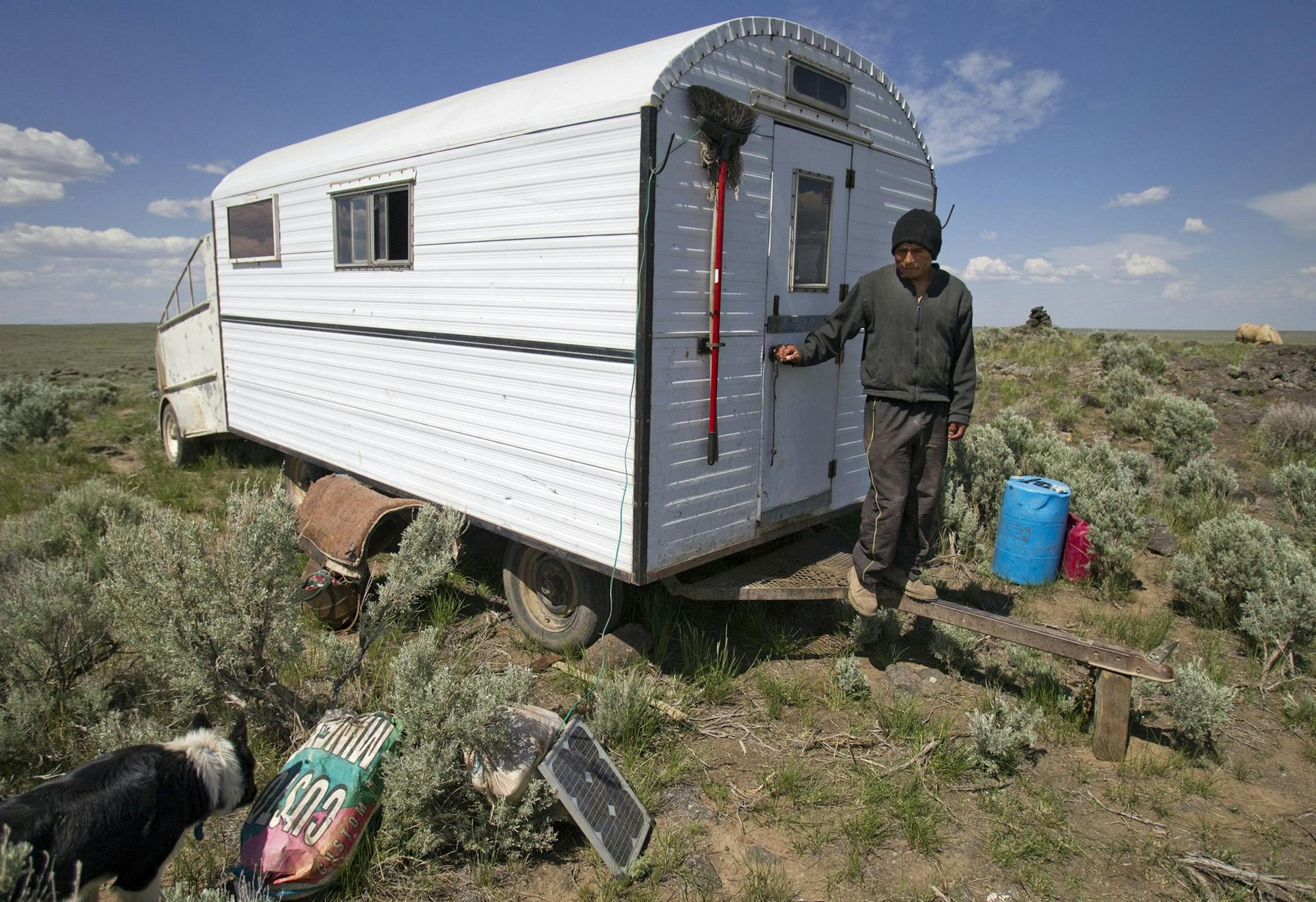
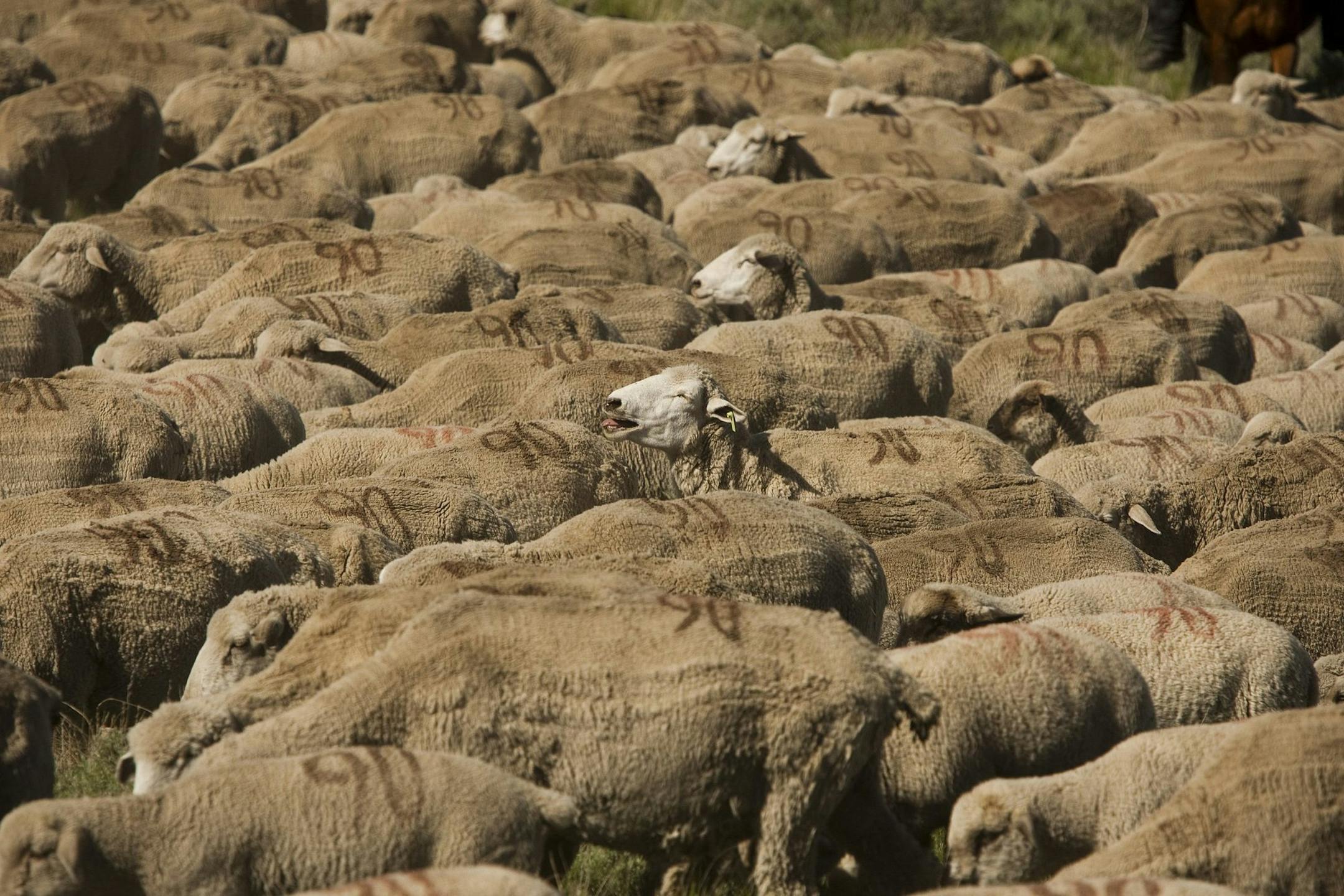
"All these issues — it's changing the landscape of the West, dramatically," said Ken Wixon, who grazes 4,000 ewes and lambs on federal land in the Snake River Plain. For public lands ranchers like him who depend on federal acreage to sustain their animals, the mood ranges from brooding to surrender.
The situation was spelled out in stark terms by the Bureau of Land Management. It told the ranchers what they already knew: Unless something changes, the days of business as usual on the 154 million acres of federal grazing land are over. This drought-stressed range can no longer sustain livestock, the letter warned. Better plan to reduce herd numbers by at least 30 percent for the spring turnout.
"I knew it was coming," Sorensen said.
Sorensen's grazing allotment is so compromised that he was forced to make multiple adjustments. He waited 2½ weeks longer than usual before turning out his cows and calves on federal pastures, and then released only half his herd. The rest he kept on his ranch, feeding them hay from his own fields.