

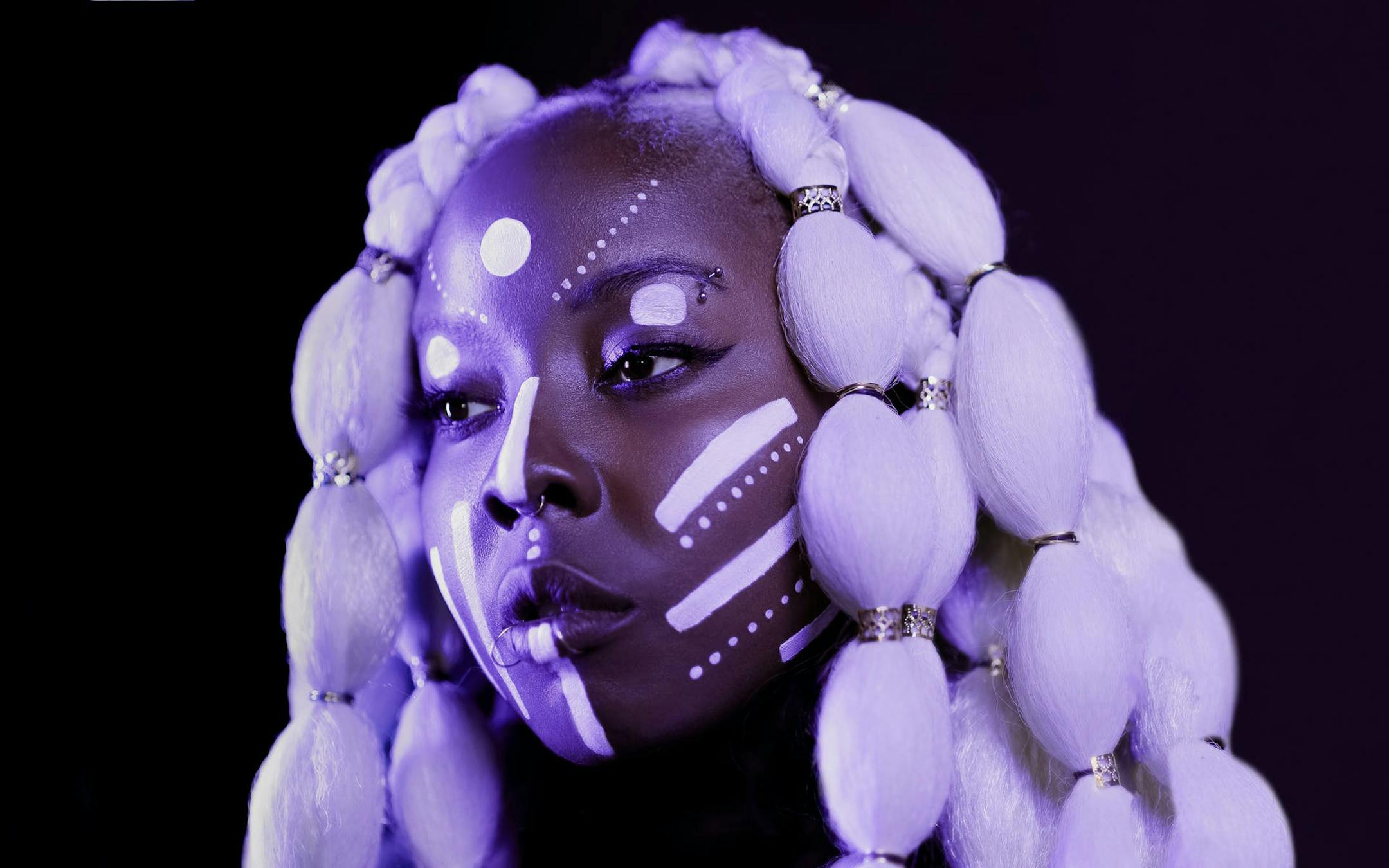
DejaJoelle was only 4 when she first started dancing, and it was for a drill team called African Perfection in the Rondo neighborhood.
In later years, the St. Paul native trained in West African dance and contemporary styles, eventually creating captivating works as a solo artist and choreographer. In recent years, DejaJoelle has moved away from thinking about dance as a performance but upholds it as an "observance."
DejaJoelle has been a recipient of numerous grants such as the Jerome Hill Fellowship and now works as an African-Centered Healing Artist and Cultural Healing Curator in addition to being a choreographer and director.
As part of her vision to celebrate choreographers who are Black, Indigenous and people of color, she has curated "Body Prayers." Using African-based movement in a variety of forms, it is a call for transformation and liberation. It is an edition of Choreographer's Evening, which is normally held in November at the Walker Art Center, and has been transformed into an online series of films.
DejaJoelle spoke recently about "Body Prayers" and how it incorporates joy.
Q: How did having a Black videographer, Adja Gildersleve, and a Black photographer, Awa Mally, shift the process?
A: It's really important because, one, the connection, the essence, the relationship happens before the camera turns on. There's that instant connection, there's representation, there's your reflection. You feel more safe. You feel like this space is more intentional and creative for you, to feel like they can do their art and do their work, especially doing "Body Prayers."
Q: What does "Body Prayers" mean?


