BRAINERD — In nature, there are no rigid rules. Or very few.
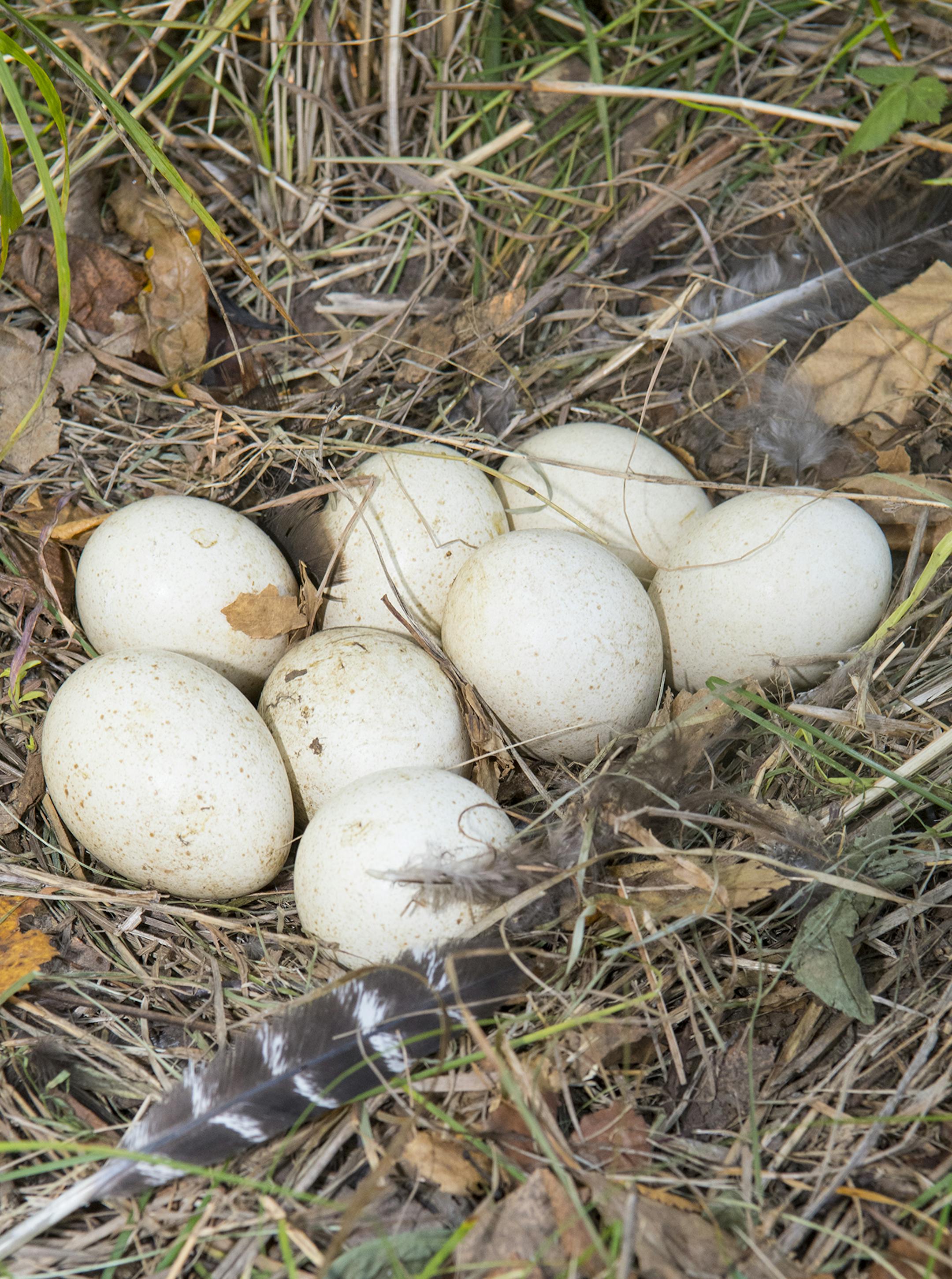
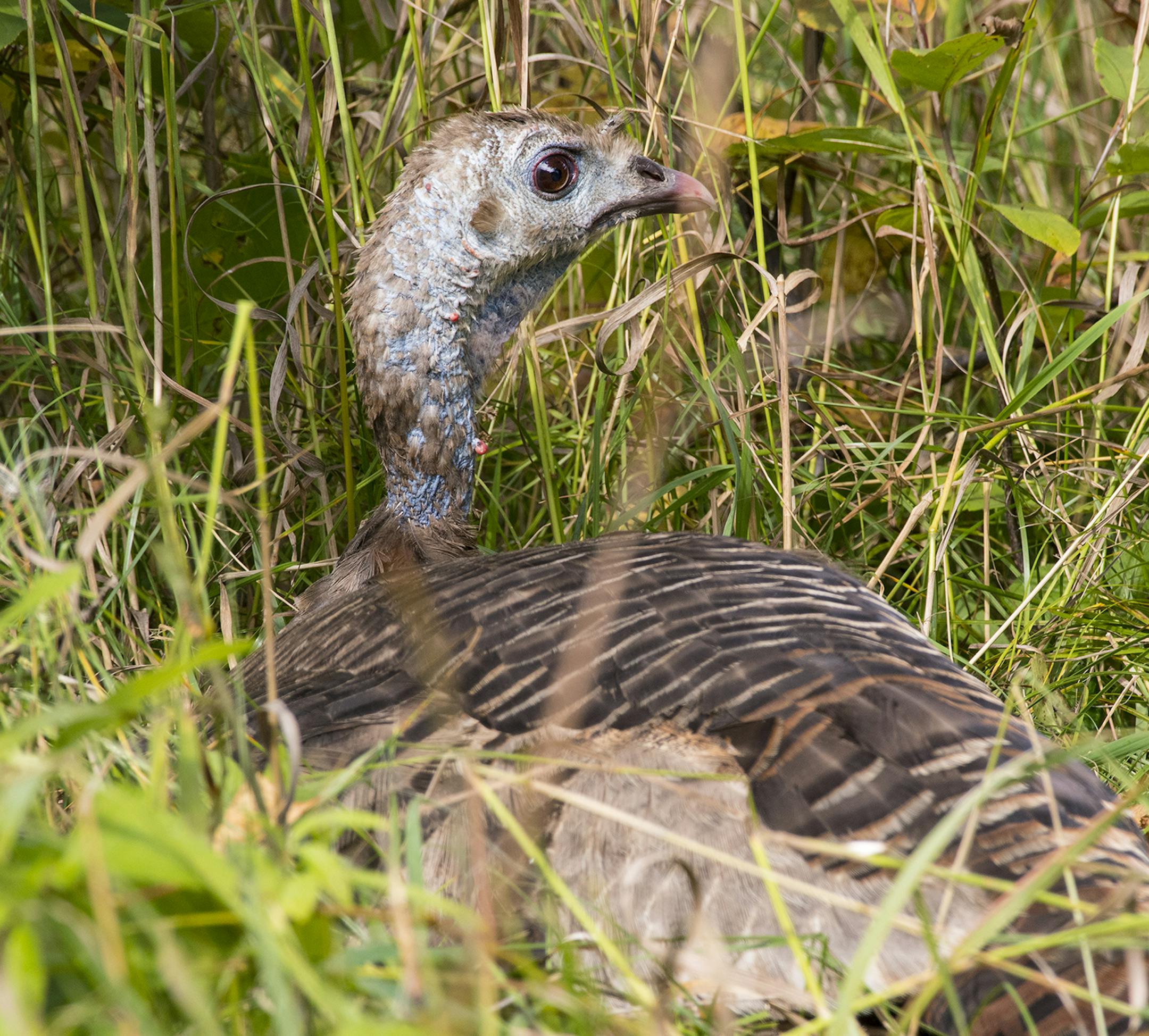
That was apparent when a farmer friend told me last week that he had discovered a wild turkey hen that still was incubating eggs. That is at least three months later than normal.
My curiosity was piqued.
"I was driving my ATV along a windrow of brush when the hen flushed from her nest," the friend said. "She was still sitting on eight eggs."
My friend was kind enough to show me the location of the nesting hen, and much to my delight it was close enough to the road that I was able to photograph her from my vehicle without disturbing the diligent hen. Her nest was located just beyond a road ditch along a busy highway, and so she had become rather accustomed to traffic. She had chosen to nest in meadow grass just a few feet from the end of a roadside hedge of hazel brush and young birch trees.
Why, though, was she still incubating eggs this late in the season?
Once while driving past the site, I noticed the persistent hen was away from the nest. I parked my vehicle and walked the short distance from the road to her nest, curious to see if I could find some answers. I rarely photograph birds at their nesting location because I know the human scent I leave is an olfactory beacon to nighttime predators such as raccoon, fox and fishers.
The nest was merely a depression in the grass and was positioned on ground higher than the surrounding land. Lately, central Minnesota has experienced a lot of rain — but the nest was high and dry. The nest, just as my friend had described, held eight eggs. I crouched down and examined each egg, attempting to determine if the shells had yet been pipped.