

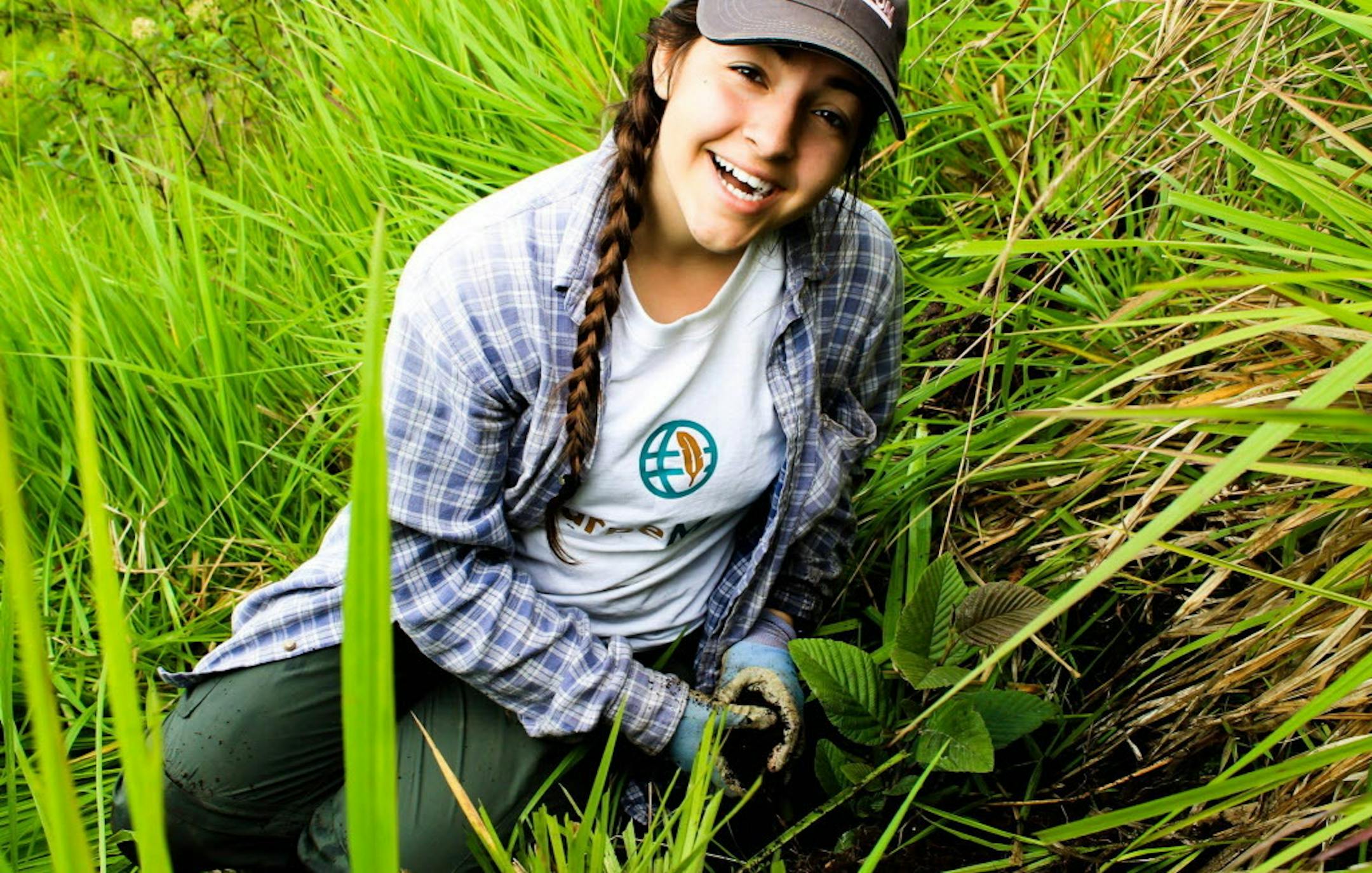
Brianna Medearis was a dream candidate for a gap-year program of study abroad. Bright and focused, Medearis, 21, headed to South America in 2014, where she improved her Spanish skills, visited children in orphanages and became certain that she wanted to pursue nonprofit work after college to better the lives of the less fortunate.
"I feel like I can conquer the world," Medearis said.
Her heartening optimism is common among young people of means who pursue gap-year adventures to Europe, China or Africa before leaping into college.
Uncommon is Medearis herself, who in no way is a young person of means.
One of five children of a divorced stay-at-home mother and truck driver father living outside Portland, Ore., she is the first in her family to pursue a college education. The idea of studying in Peru and Ecuador was so outside her father's reality that she "kind of just dropped it on him," she said.
"It's always been like walking on eggshells for money, which is why I never wanted to pursue these things."
Sadly, many young people with Medearis' potential never will pursue these things. While innovative programs are lifting low-income students into college in greater numbers than ever — and Minnesota is a leader in this regard — mind-expanding, life-changing gap-year programs, typically taken between high school and college, remain the bastion of the haves.
"The equity issue is front and center," said David Weerts, director of the Jandris Center for Innovative Higher Education at the University of Minnesota.


