

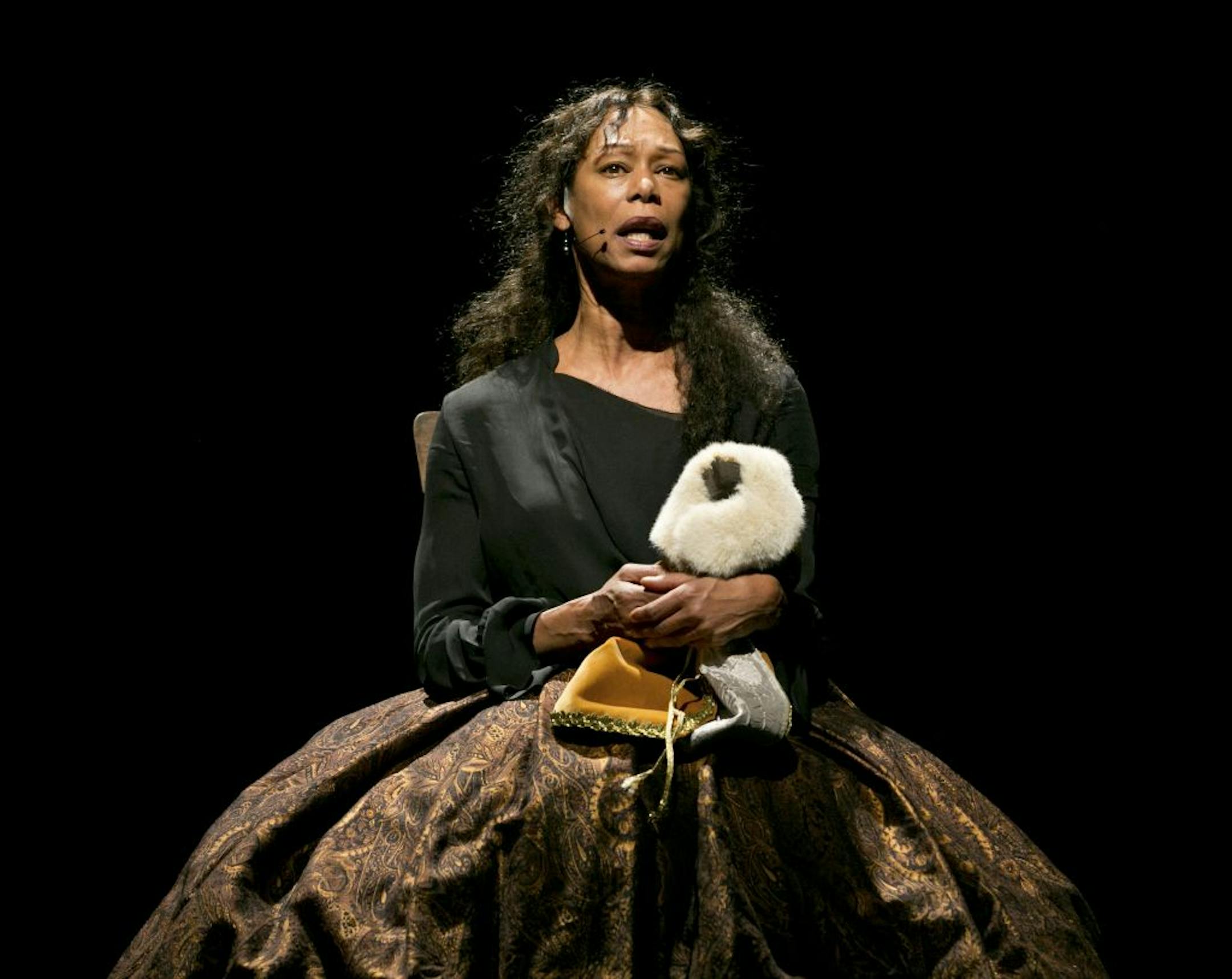
When Elizabeth Keckley, a former slave turned professional dressmaker and confidante of Mary Todd Lincoln, published her memoir, "Behind the Scenes," in 1868, the response was vitriolic. One Washington reviewer called Keckley "treacherous" and asked: "What family of eminence that employs a Negro is safe from such desecration? Where will it end?"
What a difference 145 years make.
The memoir is now ensconced as a historic literary treasure, and in pop culture's most recent outbreak of Lincoln fever, Keckley is logging significant time onstage, on screen and on the page, where her remarkable life has allowed other writers to explore the complicated intersections of race and power in 1860s America.
"She had always prided herself on her integrity and dignity, and to suddenly be dismissed as a lowly servant telling tales was quite a shock," said Jennifer Chiaverini, whose novel "Mrs. Lincoln's Dressmaker" is being published by Dutton this week.
Keckley's rise from slave to independent businesswoman for the elite would be fascinating had she landed in the White House next to Chester Arthur. That she was privy to the halls of power during the most fateful moments in the Union's history makes her that much more compelling.
In Steven Spielberg's "Lincoln," Gloria Reuben plays Keckley in a limited role but steals a pivotal scene. Tony Kushner, who wrote the screenplay, said that his and Spielberg's decision to focus the story on the inner workings of the federal government restricted their ability to include black characters, and that Keckley's "entirely plausible" access to the president allowed for "a very important opportunity to have a black character talk directly about slavery to Lincoln." Kushner called the moment "in many ways the cornerstone of the film."
Bought her freedom
Born to a slave and her master in Virginia in 1818, Keckley bought herself and her son out of slavery in 1852. Chiaverini's novel picks up the story in 1860, after Keckley had moved to Washington, where she set up shop and was soon making dresses for the wives of Robert E. Lee and Jefferson Davis, among other powerful Southerners.


