

Opinion editor's note: Star Tribune Opinion publishes a mix of national and local commentaries online and in print each day. To contribute, click here.
•••
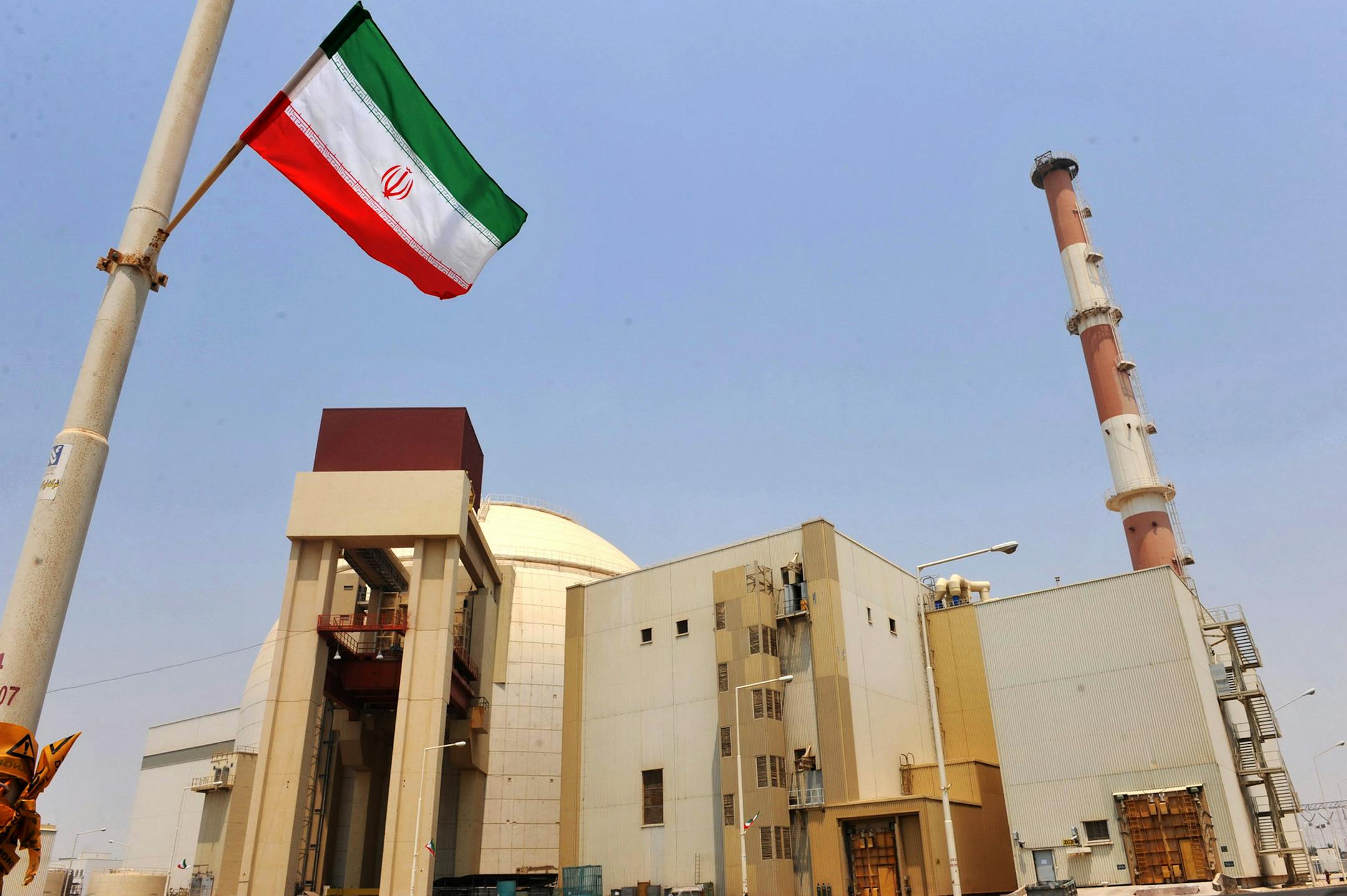
Last year saw soaring tensions in two regions at the center of U.S. statecraft: Europe and East Asia. The great crisis of this year could come in a region Washington would prefer to forget: the Middle East. As Iran comes closer to the bomb, a slow-motion nuclear showdown may accelerate — while the war in Ukraine makes this Middle Eastern crisis harder to resolve.
President Joe Biden initially sought de-escalation with Russia and Iran so the U.S. could focus on China. In 2021, he pursued "stable and predictable" relations with Russian President Vladimir Putin; with Iran, he sought a "longer and stronger" nuclear deal that would replace the Joint Comprehensive Plan of Action that one predecessor, Barack Obama, had negotiated, and another, Donald Trump, had forsaken. Yet Moscow didn't go along with Biden's plan, and neither, it seems, has Tehran.
Iran has enriched uranium to 84% purity, just short of the 90% needed for a nuclear weapon. Even if most of its stockpile is still about 60%, Tehran's breakout time — how long it would take to amass enough weapons-grade uranium for a bomb if Iran went full-speed ahead — may be less than two weeks.
It would take several months more to actually build a bomb, and for now Tehran is inching rather than sprinting toward the finish line. Even so, Iran has become a nuclear threshold state, and Biden lacks good diplomatic options for restraining it.
The negotiations to revive and strengthen the JCPOA are going nowhere. An increasingly hardline Iran was never likely to return to an agreement the U.S. had walked away from, unless that deal was somehow sweetened. Yet Biden was never likely to accept a deal that was weaker, from an American perspective, than the original. Now the prospects for diplomacy have gotten even worse.
Iran's regime is murdering protesters at home while helping Putin murder civilians in Ukraine, moves that make any relaxation of tensions with Washington unlikely and make any deal with Tehran political poison for Biden. Perhaps some interim "standstill" agreement can be struck, but the odds seem long. The JCPOA is "dead, but we're not going to announce it," Biden has said — because doing so would raise the question of what happens next.


