

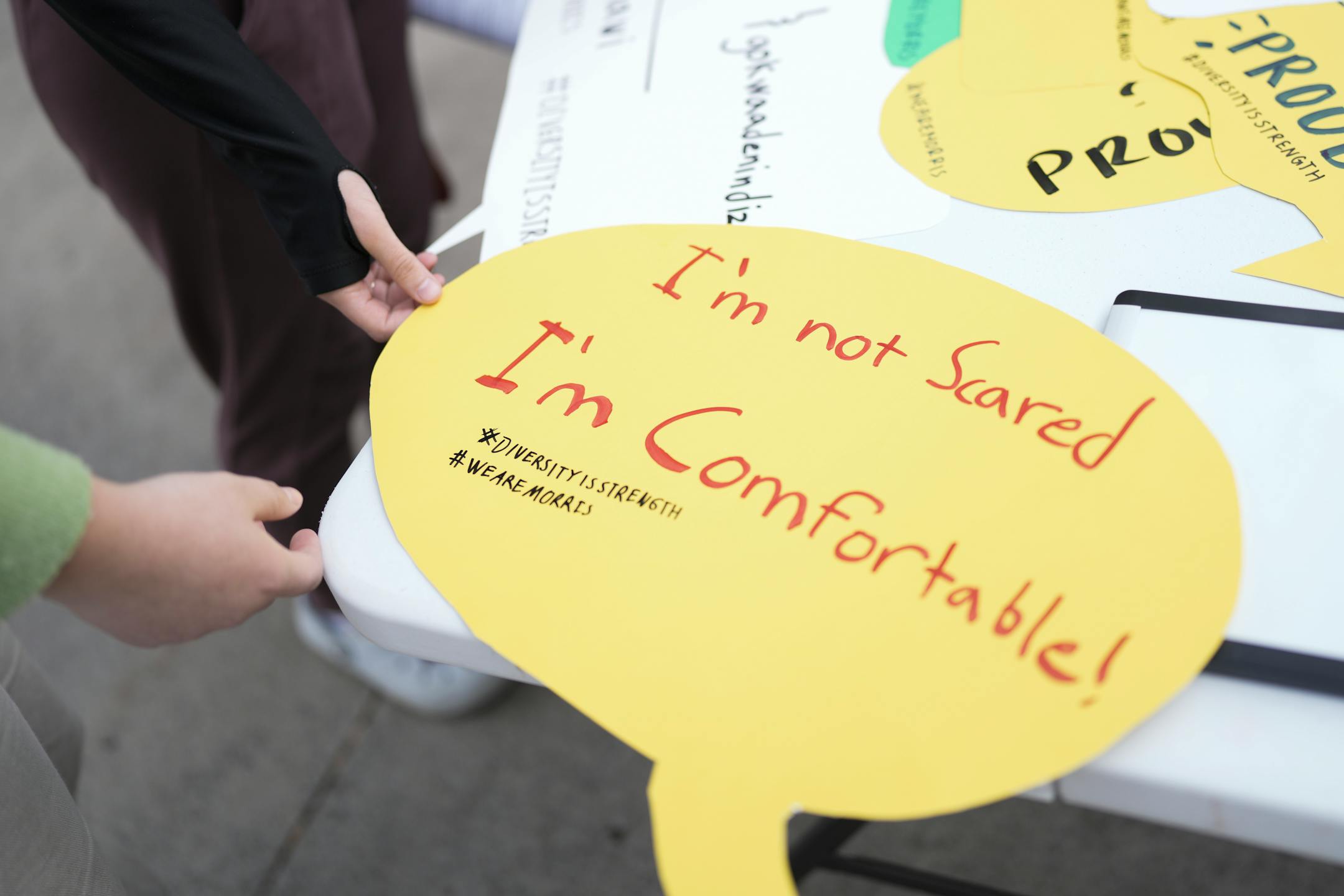
Recently, Steve Sviggum, vice chair of the University of Minnesota Board of Regents, asked whether it was possible that the decline in enrollment at the Morris campus of the university was due to the number of students of color attending: "Is it possible that at Morris we've become too diverse?"
Sviggum was inquiring because he received letters "from friends whose children are not going to go to Morris because it is too diverse. … They just didn't feel comfortable there."
Regent Sviggum defended himself saying, "I don't see asking a question as being offensive or wrong, and certainly, certainly not racist." Not racist, presumably because he doesn't see himself as a modern-day Bull Connor or someone trying to intentionally hurt people of color.
The student body on the U's Morris campus is 54% white. Regent Sviggum's friends "didn't feel comfortable" because there are almost as many students of color as there are white students. Instead of blaming the presence of the students of color, the cause of that discomfort should more appropriately be seen as a problem of racism among his friends.
He doesn't grasp what students of color feel — most of whom have never attended a school in which they and fellow students of the same race were in the majority. Might not they have discomfort that far exceeds that of the white students Sviggum is concerned about?
The biggest harm of Regent Sviggum's comments is the message it sends to minority students — that they are unwanted. A U regent questions whether there are too many of them.
After receiving significant criticism for his statement, he "unequivocally" apologized for his questions and "especially for the unintended hurt my questions may have caused."
That apology was a step in the right direction — Regent Sviggum acknowledged that his comments caused "unintended hurt," though it's not clear he understands how much hurt. His recent resignation as vice chair of the board is another step forward.


