

A couple of weeks ago, I had the honor of participating in a professional development program specifically for the public information officers of our nation's intelligence agencies. To say that this is a unique time in the history of these agencies is a rather underwhelming analysis. The fact is, they're living through a catastrophe of communication change within organizations where the culture is silence and secrecy is the watchword.
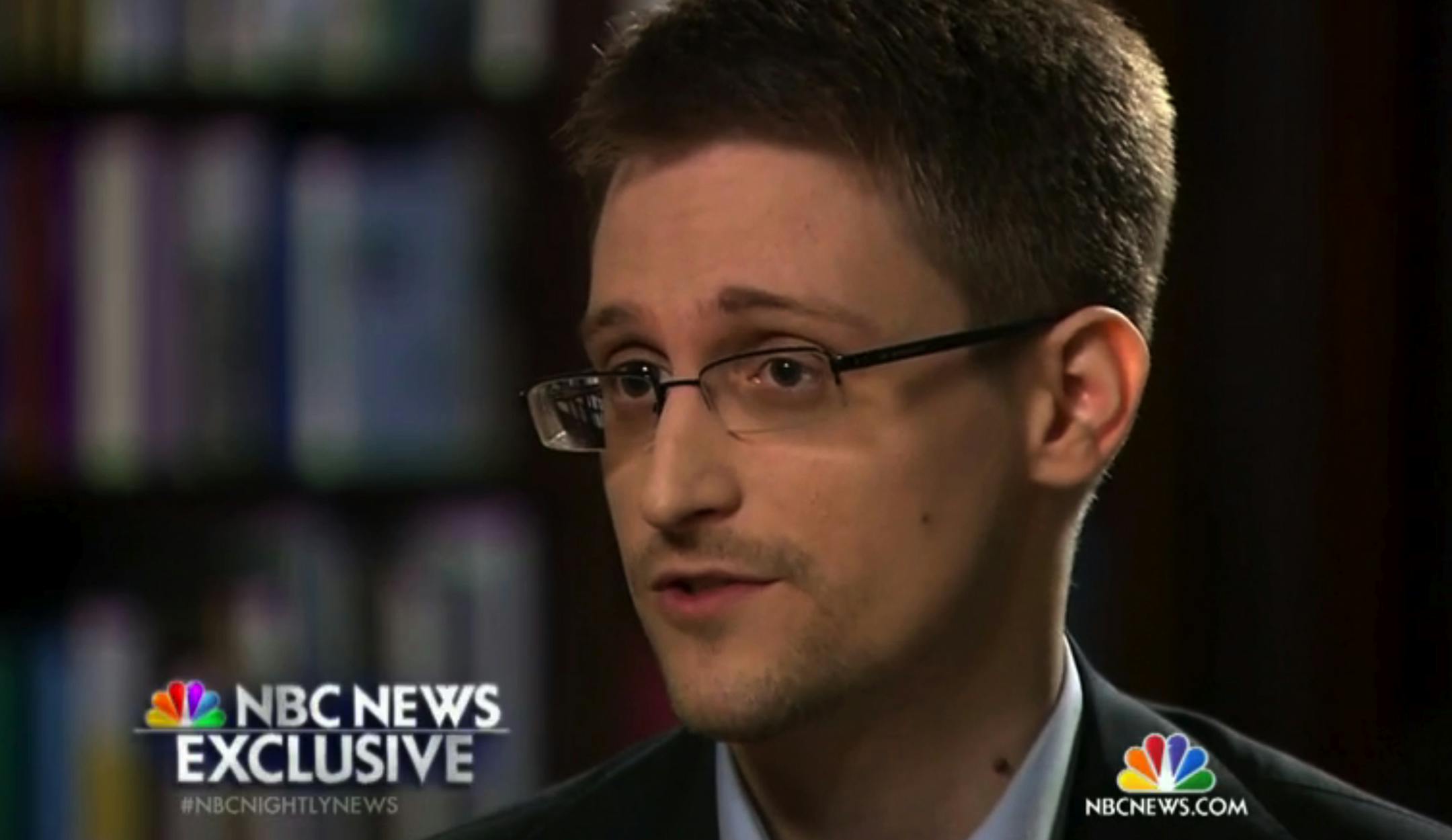
Consequential change in a democracy requires catastrophe as a catalyst. Today, it's the Snowden Effect, and while this subject may have been a very small part of the conference, its dark shadow was everywhere.
There will be changes in how we do surveillance and monitoring, changes that are only possible in an environment driven by catastrophe. Think Pearl Harbor, think 9/11, think Katrina, think Newtown, think Boston, think VA hospital scandal, think Snowden.
While liberals and conservatives, left-wingers and right-wingers, can actually agree that intelligence gathering is essential to the safety of our democracy, the Snowden treachery has begun a train of events that will weaken our security in ways that will only be known when those weaknesses surface and hurt us. On the surface, many of the changes sound helpful. But in the world of security, much of the catastrophic collateral damage likely will remain out of sight.
Some Snowden Effect changes are underway this month with the passage of legislation designed to put some observation holes into the secrecy of NSA operations. There will be other effects, as well. The isolation of these agencies will decrease. The insulation of these agencies from public view and greater interaction with the public will begin a process of gradual opacity erosion. Secrecy, a powerful concept that keeps us safe, is now entering an era of relentless challenge, skepticism and public doubt.
Public communication expectations for these agencies are rising; there will be fewer secrets, kept for shorter periods of time. Overall, it means that all of these intelligence agencies will have new vulnerabilities that will need to be identified, sorted out and in some cases even pre-empted.
Clearly, a new equilibrium will emerge between secrecy and disclosure, between the nature of secrets and just how long those secrets remain hidden. The actual damage of the Snowden disclosures will emerge slowly, and perhaps several may be catastrophic by themselves.
For me, the larger issue of Snowden remains. What I have just explored could be used in his defense, but also could clearly play a role in his prosecution. Except, of course, that he voided any defense he might have by fleeing like a criminal and seeking refuge from one of our most dedicated enemies. And rather than find ways to safely return to the United States and face the consequences of his actions, he has become a media celebrity, complete with advocates, defenders and even co-conspirators who are all in the public view.


