

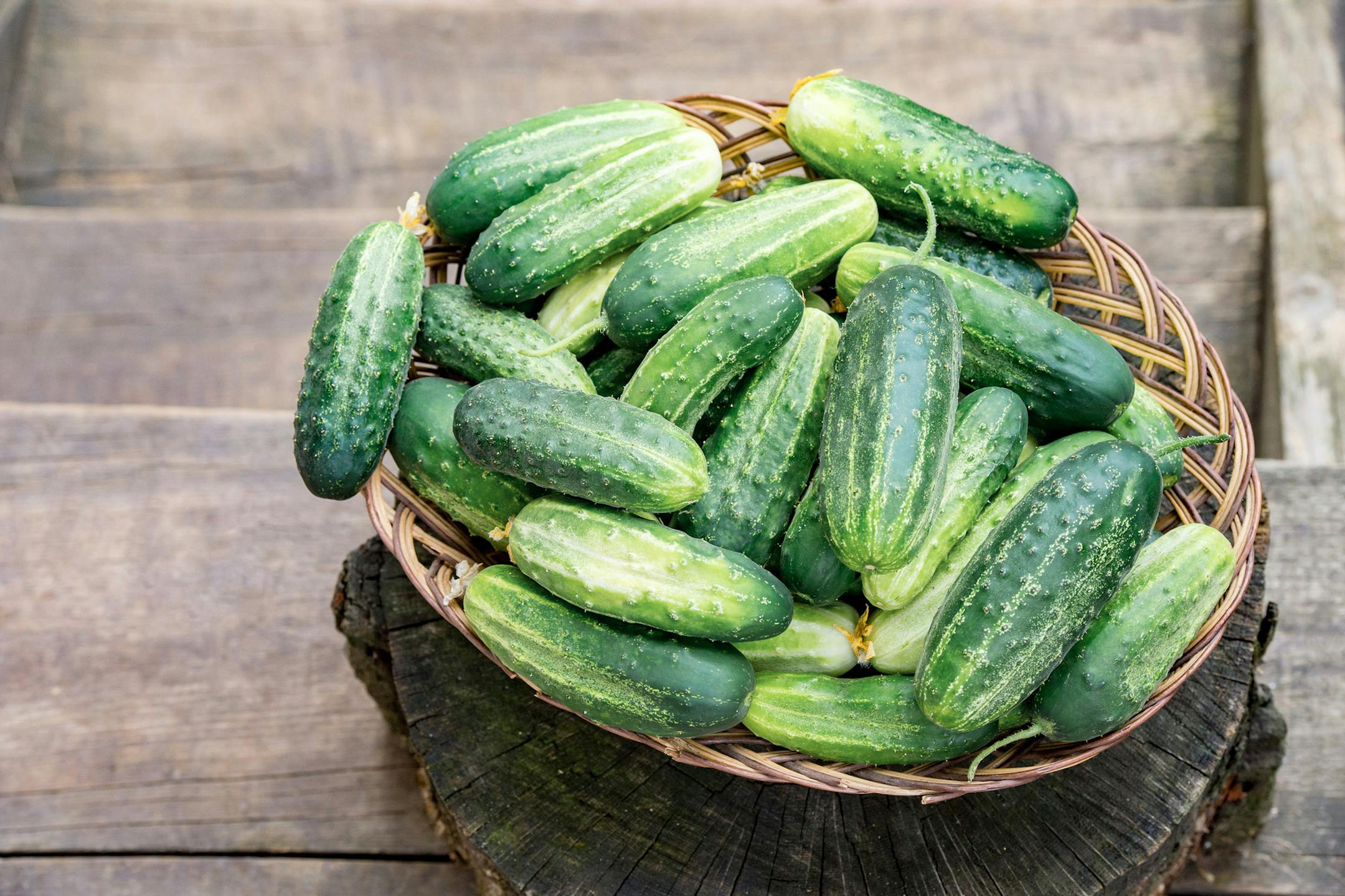
So many cucumbers.
My garden was overflowing with them. Lots of tomatoes and peppers, too, along with lesser amounts of carrots, eggplant, Egyptian spinach, zucchini and the list goes on.
We tried everything to use up the cucumbers: cucumber and avocado salad, cucumbers with couscous, cucumbers in adult beverages, and we made gallons and gallons of cucumber water.
We gave some away to friends. Even then, there were so many cucumbers. We knew what we should do with them but were just too afraid to try: Make pickles.
There are easy ways to make pickles. We could make quick pickles. But those last in the refrigerator just a few weeks. We had a bigger cucumber problem on our hands. We needed to venture into the world of canning. None of my family or close friends can.
Left to my own devices, I started with the internet. As is often the case there, I found conflicting reports on how to can. But after reading enough stories from reputable sources, I finally felt confident that I knew how to do it.
Kaitie Adams, a full-time farmer and educator at EarthDance Organic Farm School in Ferguson, Mo., says pickling is nothing to be afraid of. "It is a lot easier than people think it is. And it allows you to eat really good food you made, to connect to your food system. It's the best way to enjoy seasonable produce year-round. Canning basically is to stop food from decomposing, so you create this environment devoid of oxygen and harmful bacteria, locking in the nutrition."
She says most people start with cucumbers and tomatoes because they can be found in abundance this time of year. But that can lead to more. "Once you get the basics in, you can pickle just about anything.""


