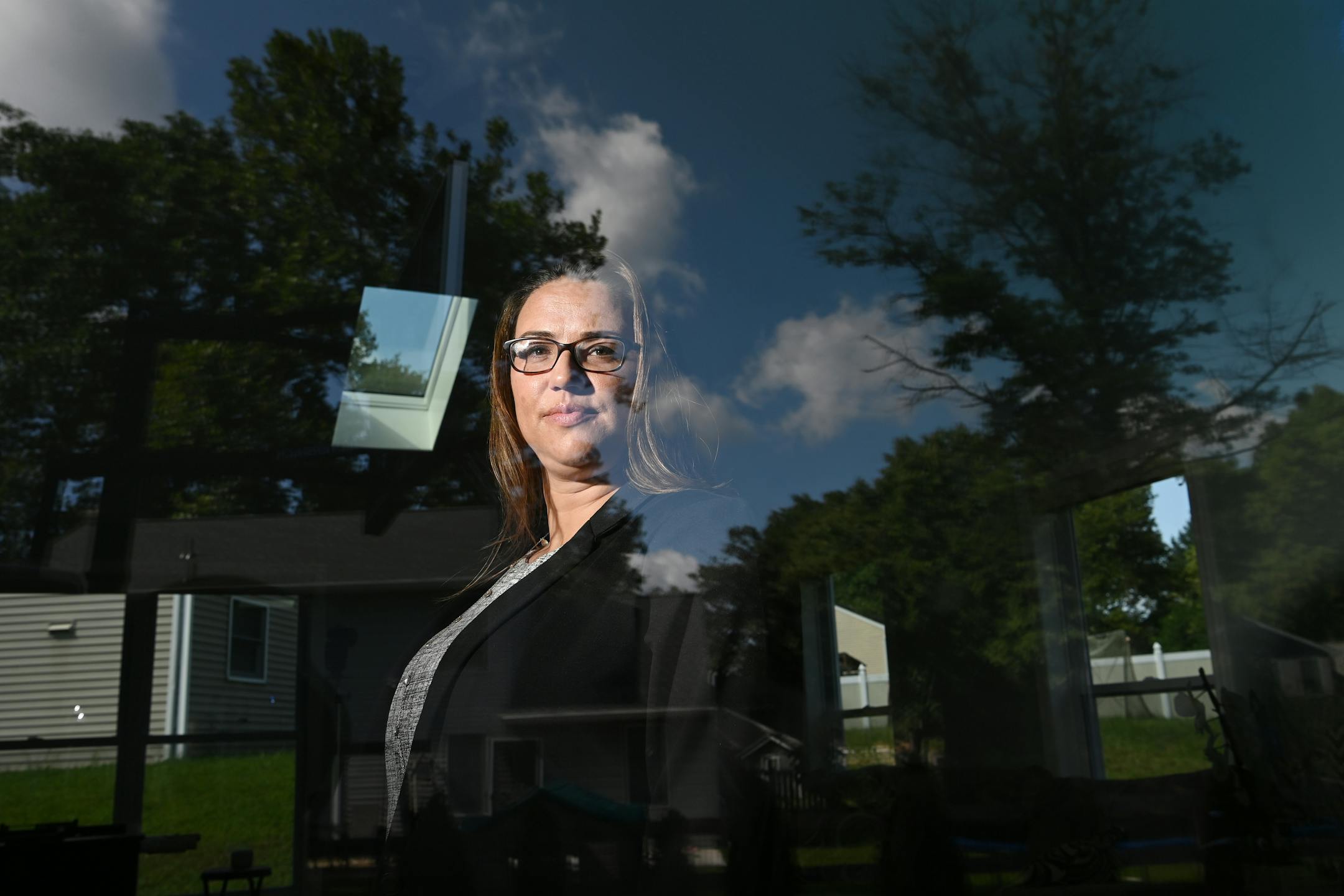
On the morning Cheryl Rogers found her son missing, her mind quickly turned to the bridge.
"No, please no," she thought. "I can't do this again."
A call from police soon confirmed her fears. A worker had found their family's van abandoned in the middle of the westbound span of the Chesapeake Bay Bridge. As authorities moved to tow it, they looked up and saw Rogers's 37-year-old son standing on a suspension cable over the water.
When an officer ordered him down, her son responded by walking higher and higher until he reached one of the bridge's tallest towers. Then he began pacing along the top.
A police car rushed to pick up Rogers and her ex-husband and bring them to the negotiation site that morning on Oct. 3, 2020. As she sat in the cruiser with its siren wailing, Rogers flashed back to the same ride she'd taken just six weeks earlier.
For years, her son — whom the Washington Post agreed not to name — had struggled with depression. But during the early months of the pandemic, it had turned into something darker, deeper.
Gone was the goofy, kindhearted jokester who liked photobombing family pictures. Instead, her son now worried constantly that his phone and tablet were hacked and being used to surveil him. He became obsessed with online diatribes about how America was turning into a riotous socialist state. He draped towels over the TV to prevent it from watching him.
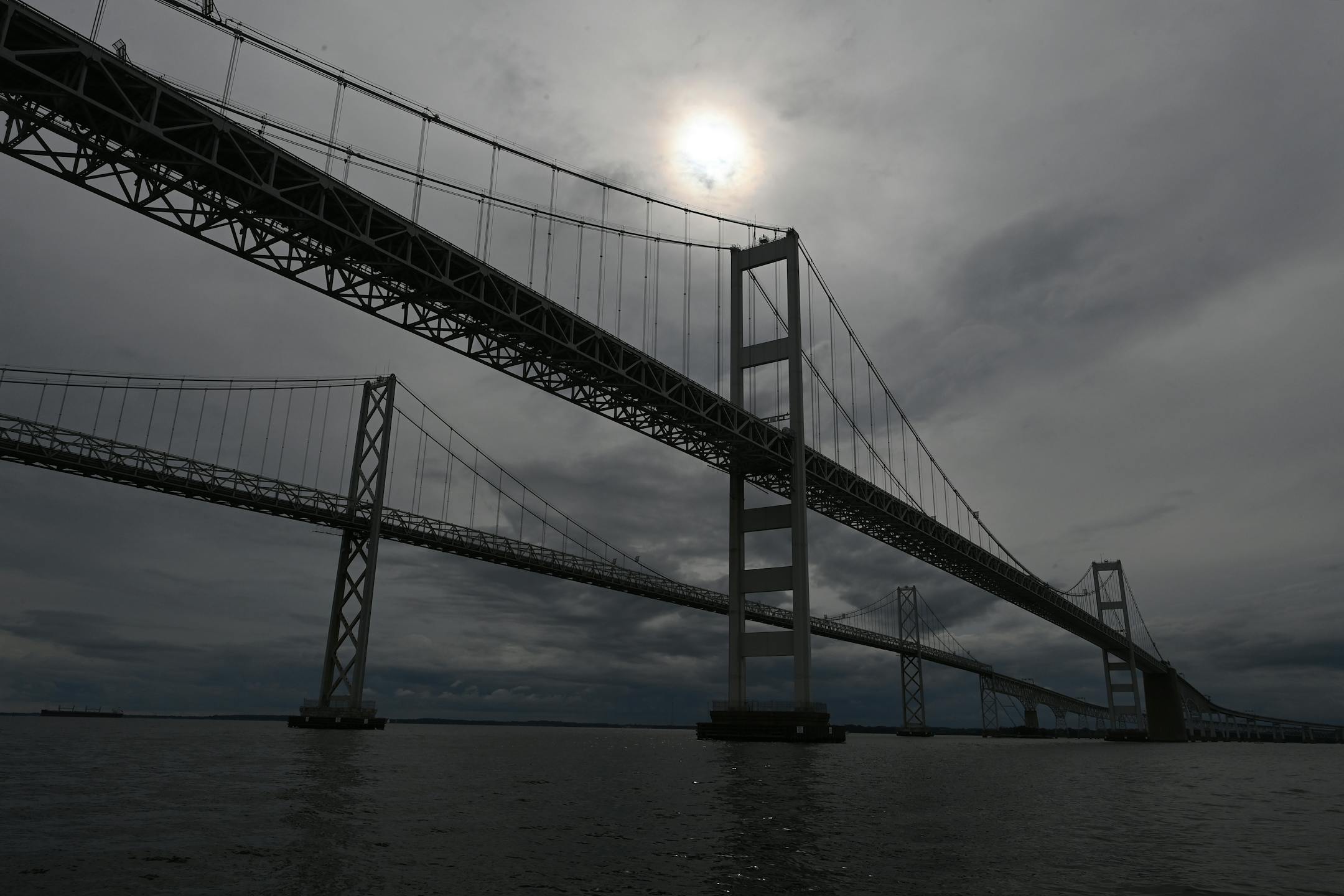
Then came the summer night when he took his mother's truck and drove to Maryland's longest bridge — a 4.3-mile steel suspension span hanging, at its highest point, more than 180 feet above the water.