

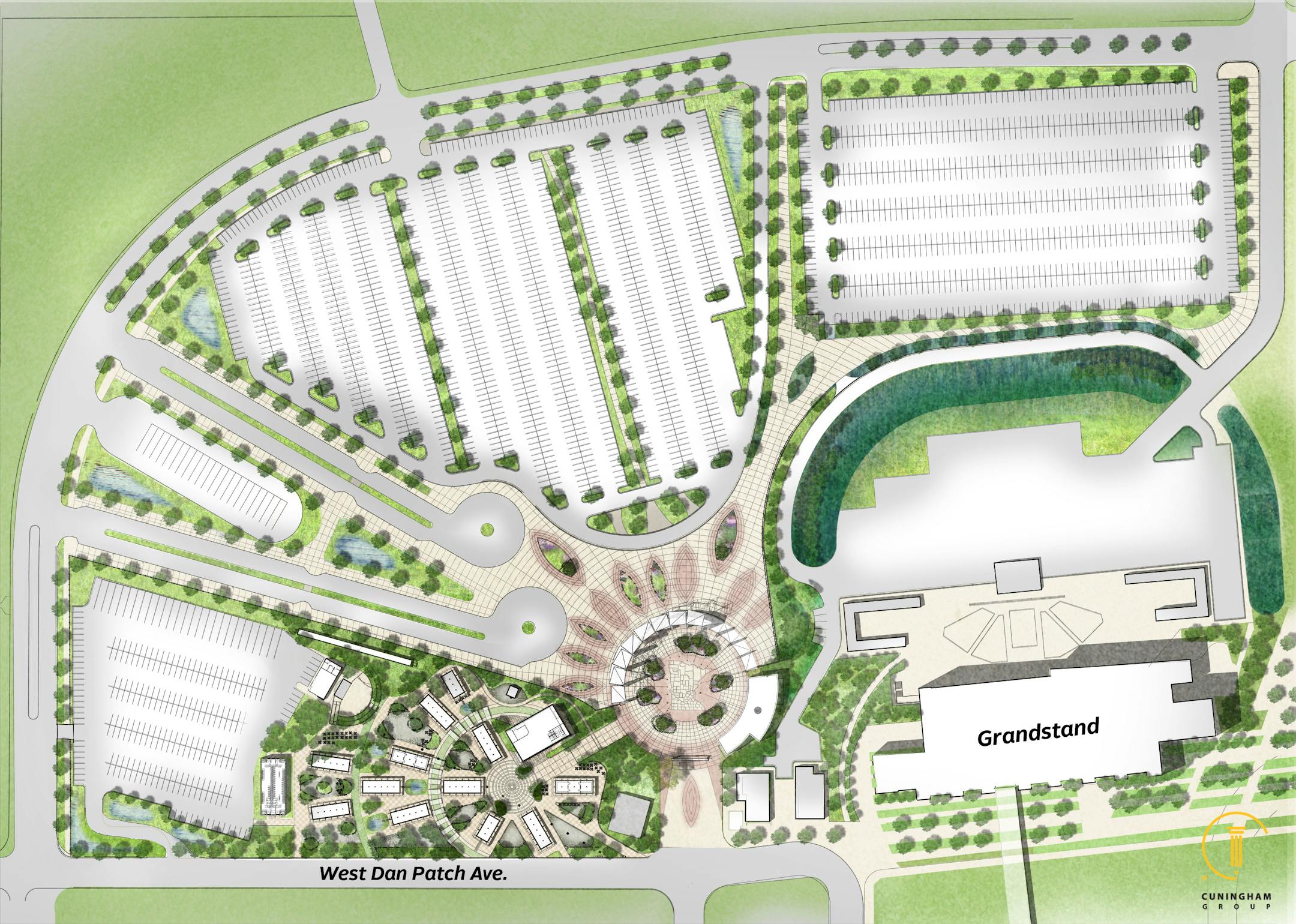
As the Minnesota State Fair begins its 12-day run in Falcon Heights Thursday, it probably will be the last year for the popular Heritage Square exhibit area that has been part of the fair since 1975, welcoming folks looking for a nod to the past.
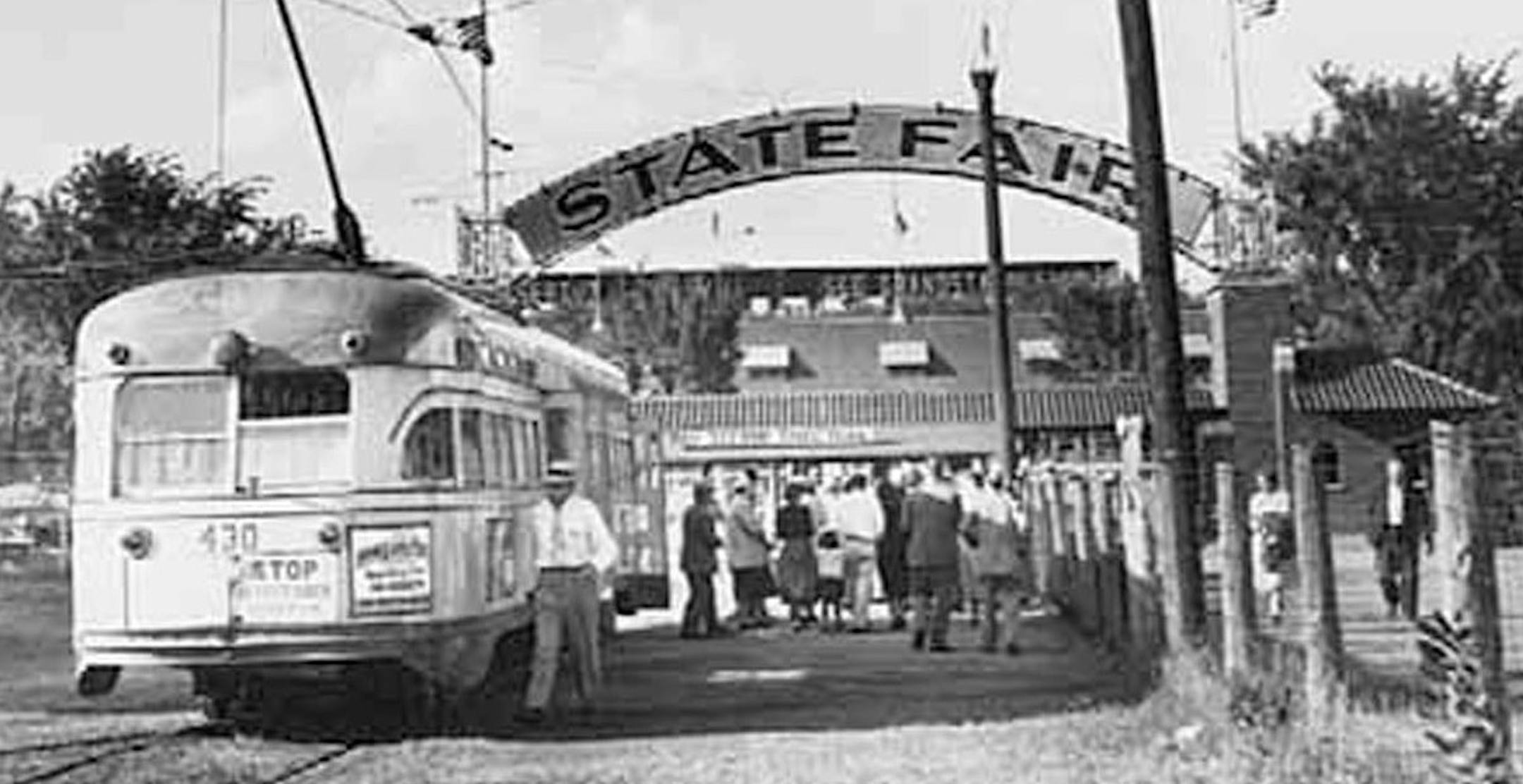
Next year, a newly discovered piece of that past, a gracefully arched metal sign built in 1933, then lost for 30 years, will greet people again as the new entrance to Heritage Square and a transit hub. It's part of the fair's effort to balance long-treasured traditions with staying relevant to changing needs and new audiences, said Jerry Hammer, executive vice president of the fair.
"I don't know any other place that [values its past] like the State Fair does,'' he said. "We try to hang onto these things. The things that tie us to the past tie us to the future."
Trying to please the 1.7 million visitors to the Great Minnesota Get Together is a challenge as tall as the Space Tower.
Part of the fair's appeal is that it doesn't change drastically, said Larry Millett, a writer and noted architectural historian, author of "Lost Twin Cities." Because the fair is once a year, and there's a desire for continuity, changes at the fairgrounds tend to evolve slowly, he added.
The two oldest buildings on the grounds, the Fine Arts Center and the Progress Center, date to 1907. "Your great-grandparents went there, maybe your great-great grandparents, if they were here," Hammer said.
Preservation projects at the fair are a constant: the grandstand, built in 1909 to replace one built in 1885, was refurbished 10 years ago at a cost of $18 million, then the livestock barns and the International Bazaar.
If the 2013 fair goes well, plans — in the works for about 20 years — call for Heritage Square to be replaced with a vibrant new area that will include many of the same exhibits and attractions.
![A battered and rusting metal sign rescued from a wooded area of the Minnesota State Fair grounds which once greeted fairgoers as they stepped off the streetcar will again greet them when a new transit center is built to replace Heritage Square next year. The restored arched sign will be on display when the fair opens Thursday. Photographed on Wednesday, August 21, 2013, in Falcon Heights, Minn. ] (RENEE JONES SCHNEIDER • reneejones@startribune.com)](https://arc.stimg.co/startribunemedia/BYGXNTJBF7DFYBOMH3TDXNL6LY.jpg?&w=1080)


