

After nearly three dark years, the lights are back on at the Office on the Economic Status of Women in the Minnesota State Office Building. It's co-convening the first Minnesota Women's Economic Security Summit in a long while Thursday in St. Paul, and several hundred participants are expected.
Among the presenters will be House Speaker Paul Thissen, armed with an ambitious package of 17 bills comprising the Minnesota Women's Economic Security Act of 2014. The speaker's personal stamp on a set of initiatives is rare, and should serve to raise the package's visibility and chances for enactment.
These are hopeful signs for working Minnesotans — of both genders — and for the children and elders who depend on them. Economic fairness and opportunity for the female half of the population should be a priority in every legislative session. When women climb economically, unimpeded by outdated thinking about roles and responsibilities, the whole state benefits.
But state leaders' willingness to address Minnesota's persistent gender gap in wages, educational attainment, housing, poverty and more has waxed and waned through the years. The 38-year-old Office on the Economic Status of Women — a terrific source of data, research and nonpartisan guidance to legislators — was left in limbo from mid-2011 until a few weeks ago, when former lobbyist and public policy specialist Barbara Battiste took the office's solo staff job.
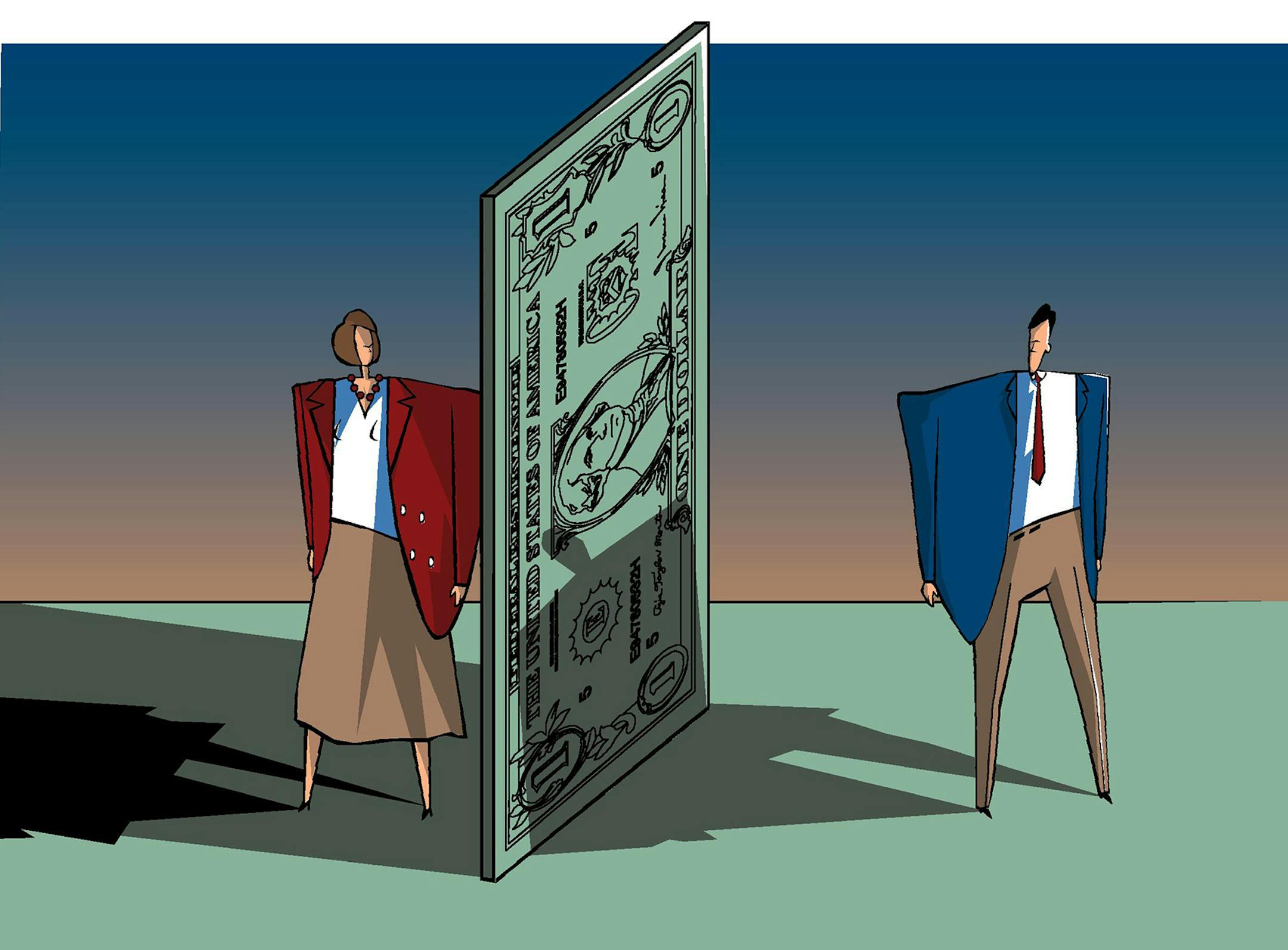
We hope lawmakers have learned that ignoring the gender gap isn't an effective strategy for closing it. The summary of a report by the Center on Women and Public Policy and the Women's Foundation of Minnesota says that "at the current rate, the pay gap in Minnesota will not be closed until 2060." The report describes the extent to which poverty in Minnesota has a female face — and, disproportionately, a face of color as well (see accompanying text). While women make up half of the state's workforce — among the highest percentages in the nation — they are two-thirds of the minimum-wage workers and 58 percent of those paid $9.50 or less.
That's why a minimum-wage increase — from today's $7.25-per-hour federal floor (which a majority of the state's employers must pay) to $9.50 — tops the list of policy prescriptions that Thissen will bring to Thursday's summit. This newspaper favors a somewhat smaller increase this year, with more frequent boosts subsequently. But we share Thissen's view that a raise is overdue for low-wage workers and that market forces aren't sufficient to raise wages in female-dominated service and caregiving occupations.
We also admire these items on Thissen's list:
• Expanded parenting leave opportunities for working families. Minnesota law now requires small employers to offer workers up to six weeks of unpaid leave after the birth of a child, not before. That's not enough. Raising that requirement to 12 weeks, and allowing an employee to take some of that time off before a birth, would give young families a less-stressful start.


