GRANITE FALLS, MINN. – As I studied the frothing waters just below the municipal hydropower plant in this bucolic southwestern Minnesota farm town, I started to worry.
With recent rainfalls, this stretch of the Minnesota River had entered flood stage. The torrent looked like too much for a canoe laden with fishing tackle, camping gear and a couple of middle-aged guys from Minneapolis.
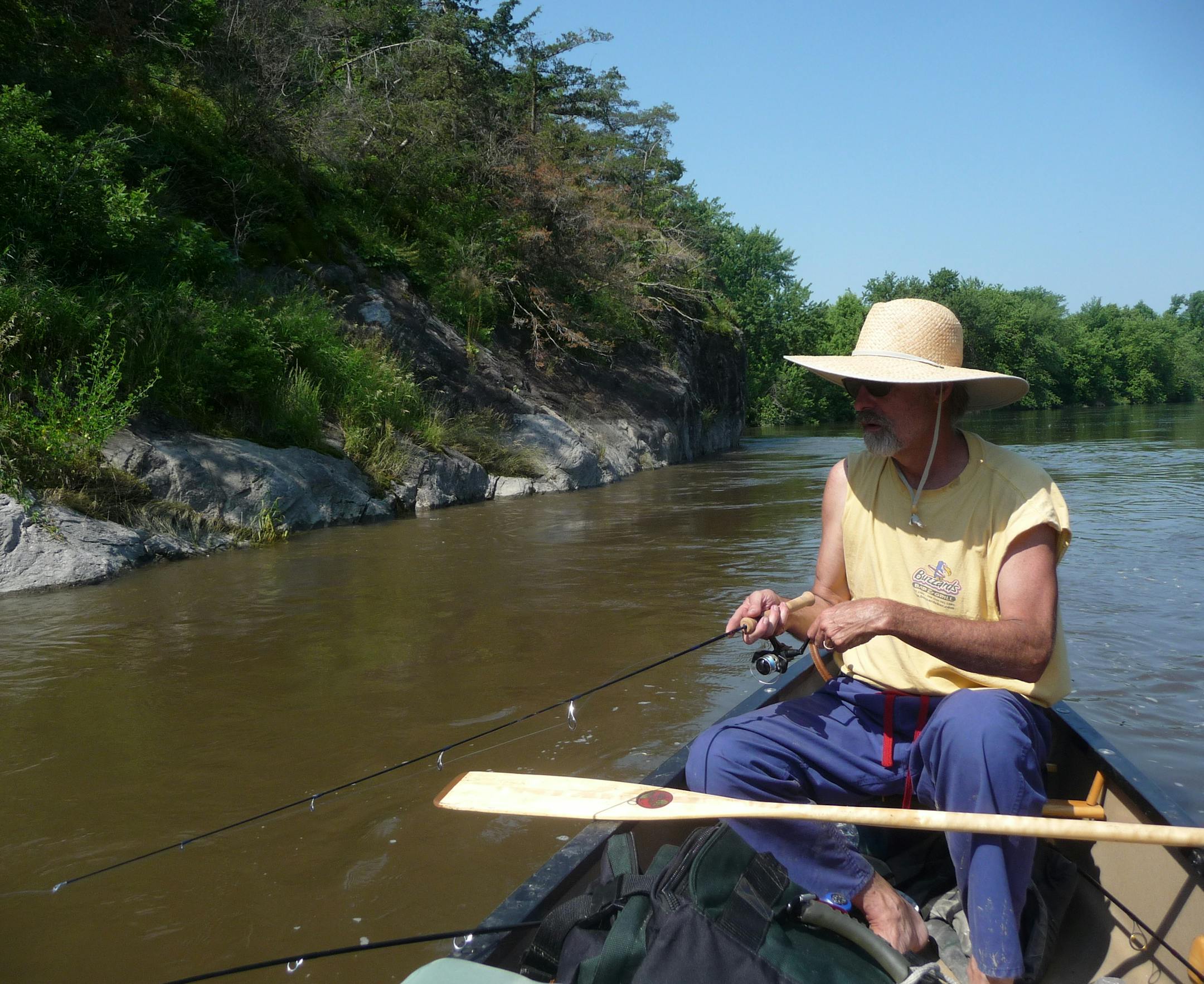
I had asked Peter Kohlsaat, a dentist and cartoonist, to join me on this two-day excursion because he is good company and, more vitally, an experienced helmsman. Once Kohlsaat surveyed the rough waters below the hydro dam, he rendered a sober verdict: "Let's look for somewhere to put in downriver."
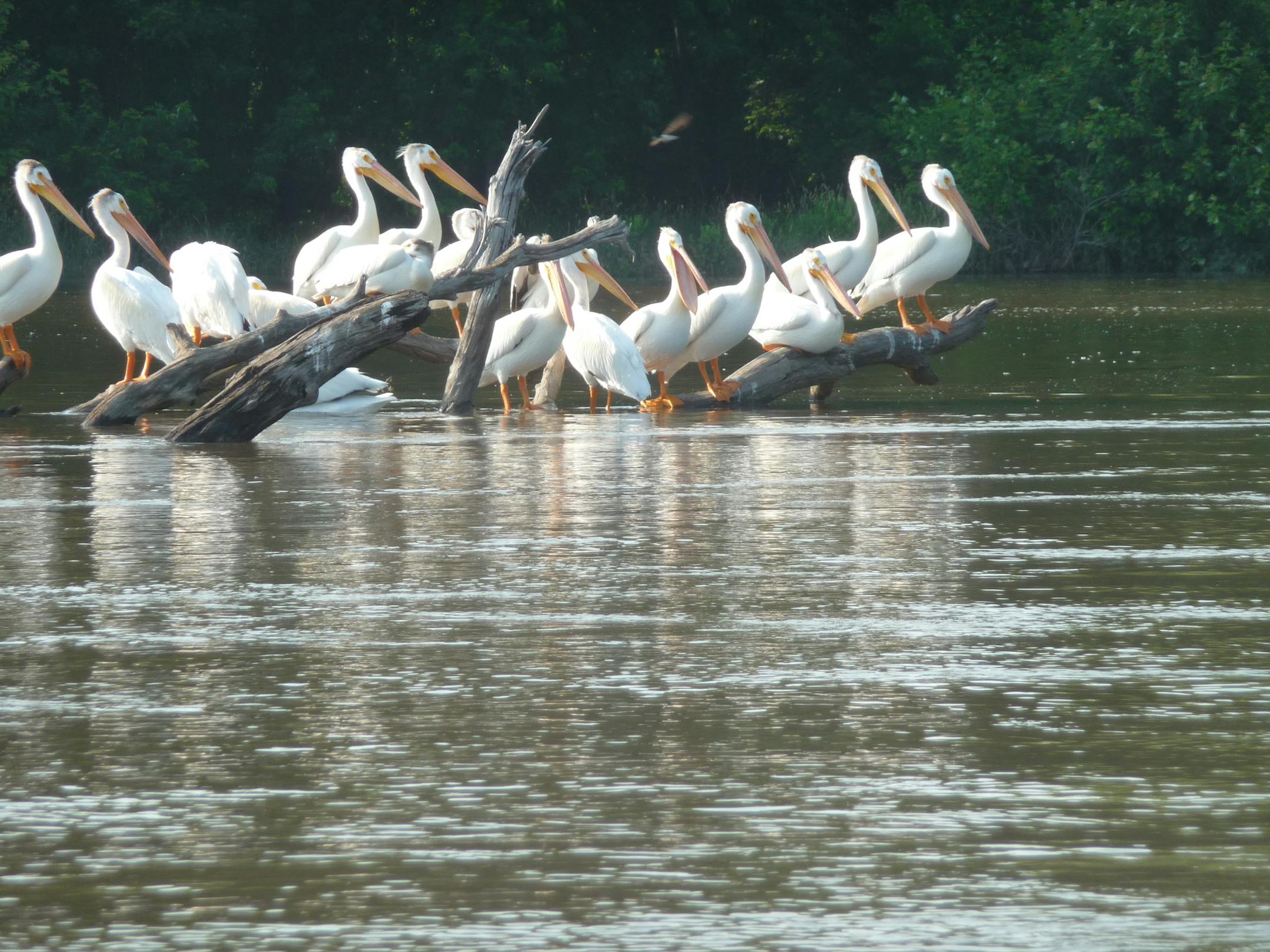
After poking around town, we found an easy point of disembarkation at War Memorial Park. The current was mellow near the shore but, as we moved toward the center of the river, it quickened. I gawked as we briskly passed a half-dozen American white pelicans clustered atop a boulder pile. It was the first of many of the magnificent and enormous birds — once extirpated from the state, now recovering — that we would encounter on our 30-mile paddle.
While I enjoy a feel-good ornithological interlude as much as the next guy, the pelicans were not the reason I came to explore the Minnesota. I wanted to see something even more sublime: what a river looks like when it is reborn.
For more than a century, most of the three-mile reach below the hydro plant at Granite Falls was less a river than a lake. That changed this winter when Xcel Energy removed an obsolete 600-foot-long, 14.5-foot high dam at Minnesota Falls. It was the biggest dam removed in Minnesota in the past three decades and, possibly, ever.
After crews dredged out the vast deposits of sediment that had accumulated above the dam, an ancient complex of bedrock and boulders — stuff that had been entombed for more than a century — was once again exposed.
For fish and fisherman, this is very good news. Rapids serve to oxygenate water, creating precisely the sort of vital habitat that is in short supply on the muddy and meandering Minnesota. In electro-fishing surveys, DNR crews have discovered that many native fish species have already returned to the long blocked-off reach. Biologists expect the rapids will eventually attract spawning lake sturgeon and paddlefish — some of our strangest, largest and most ancient fishes — from as far away as the Mississippi River.