

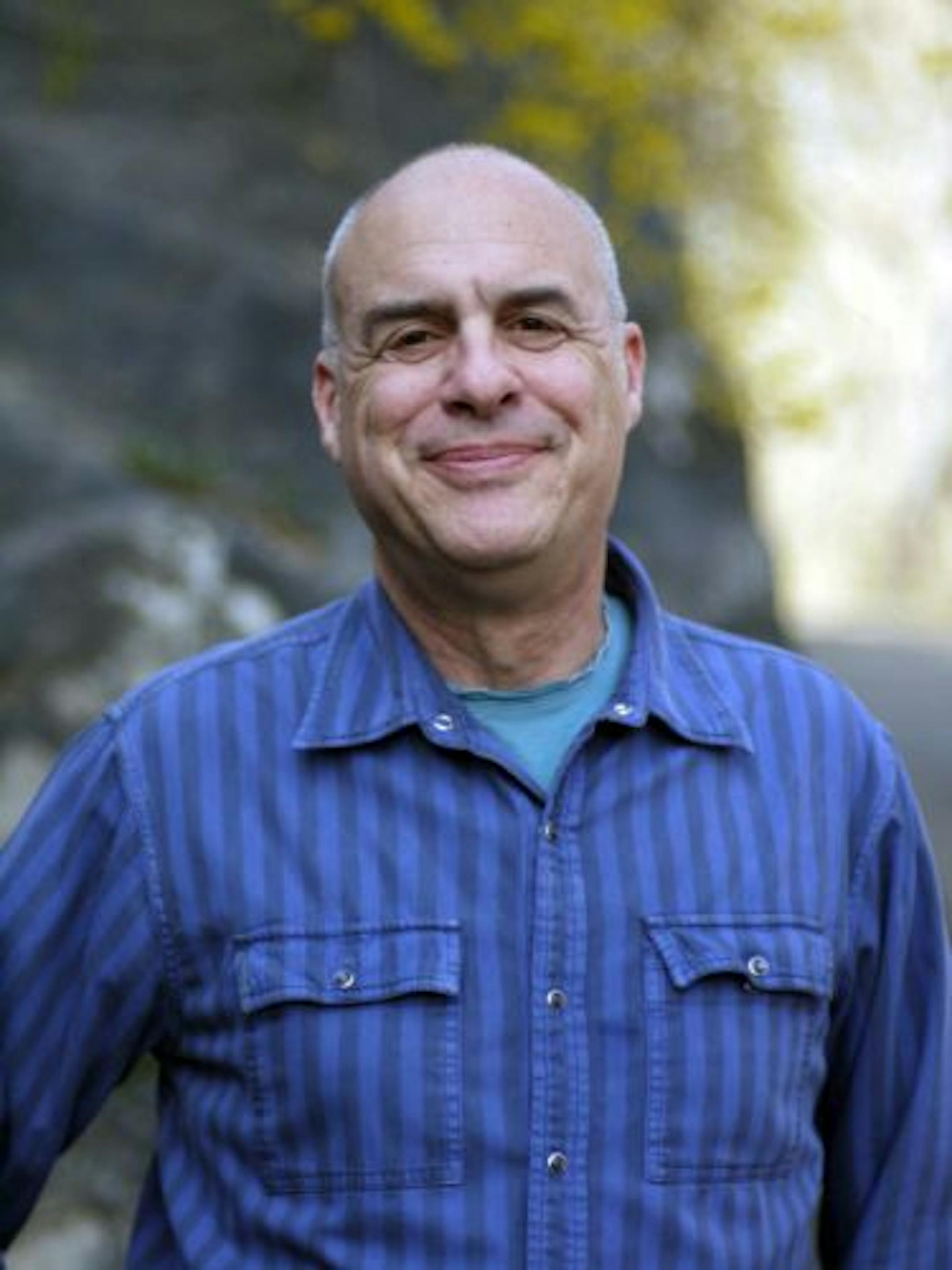
If we ate a more healthful diet, we'd live longer. That's the focus of a scholarly event Sept. 30 and Oct. 1 sponsored by the University of Minnesota Healthy Foods, Healthy Lives Institute, the Minnesota Landscape Arboretum and Lakewinds Natural Foods. "Food for Thought: Healthy Foods Summit 2010" will present emerging scientific research on the importance of plants for human health. Leading scientists, community leaders and businesspeople will discuss how to motivate people to eat more "powerhouse" plants during two all-day sessions at the Radisson Hotel on the U of M campus and the arboretum. New York Times food columnist Mark Bittman, author of "Food Matters" and a new cookbook of the same name, will speak on Sept. 30 at 7:30 p.m. and Oct. 1. at 9:15 a.m.
We caught up with Bittman to find out about how food matters.
Q The title of your book carries several layers of meaning. A It is the culmination of my own experiences and the research I've gathered that confirms a diet of unprocessed fruits, vegetables, legumes, nuts and whole grains will help you lose weight, improve your health and benefit the planet.
Q How has your own approach to food changed?
A Things happen gradually, but I've been pursuing links between the quality of ingredients, flavor, health, nutrition and the environment for five or more years.
Q Explain those links.
A At least 80 percent of the calories most Americans eat come from food that is either animal-based or highly processed. Our consumption taxes the Earth's resources way beyond what's available. Reduce the amount of animal products and processed food in your diet, eat more plants, and you'll improve both your health and the health of the planet. It's that simple.
Q Michael Pollan raised our awareness of food matters; you're providing practical advice on how to actually cook consciously.


