

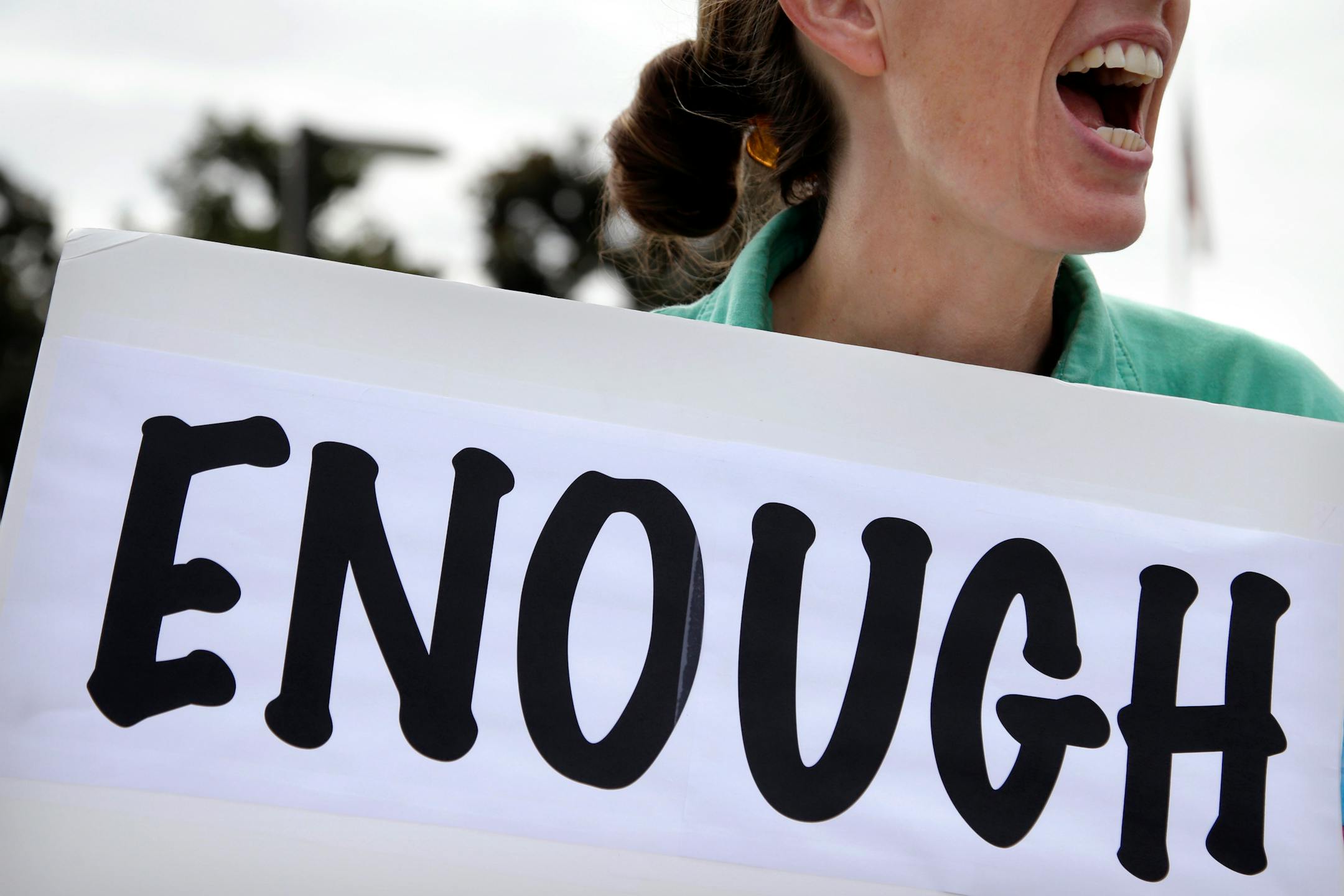
The self-congratulatory speeches by members of Congress this week were a joke.
Anyone tuning in, particularly as members of the Senate patted their own backs for their bipartisan deal to end the debt ceiling/shutdown standoff, might have thought that the elusive "grand bargain" to balance the nation's long-term budget issues at last had been inked.
Instead, what squeaked through Congress late Wednesday — just hours before the United States flirted with self-inflicted economic catastrophe by breaching the debt ceiling — merely closed the curtain for a very short time on the governing-by-crisis drama plaguing our nation.
All that this week's deal did was fund the federal government through Jan. 15 and raise the debt ceiling just high enough to extend U.S. borrowing authority until Feb. 7. While the nation didn't fall into the abyss, neither did it beat any kind of responsible retreat.
Instead, Congress authorized taking a step or two away from the cliff while setting the nation up to skate right back to the edge in early 2014.
Pardon us for not feeling like it's time to pop the champagne corks — or to credulously swallow promises that this time will be different because the Senate deal set up a bipartisan committee to hammer out a long-term budget blueprint by mid-December.
How gullible does Congress think voters are? It's been only two years since the so-called supercommittee, a bipartisan panel put in place during the 2011 debt ceiling deal, failed miserably, even with the threat of sequestration cuts to defense and domestic spending kicking in if it didn't reach agreement.
No such budgetary penalty hangs over the work of this new committee. More troubling is that the standoff that led to the supercommittee's failure — Republicans' reluctance to consider new tax revenue — still exists. So assurances that this is the "we really mean it" committee ring hollow, especially given how little time it has to smooth over longstanding differences.


