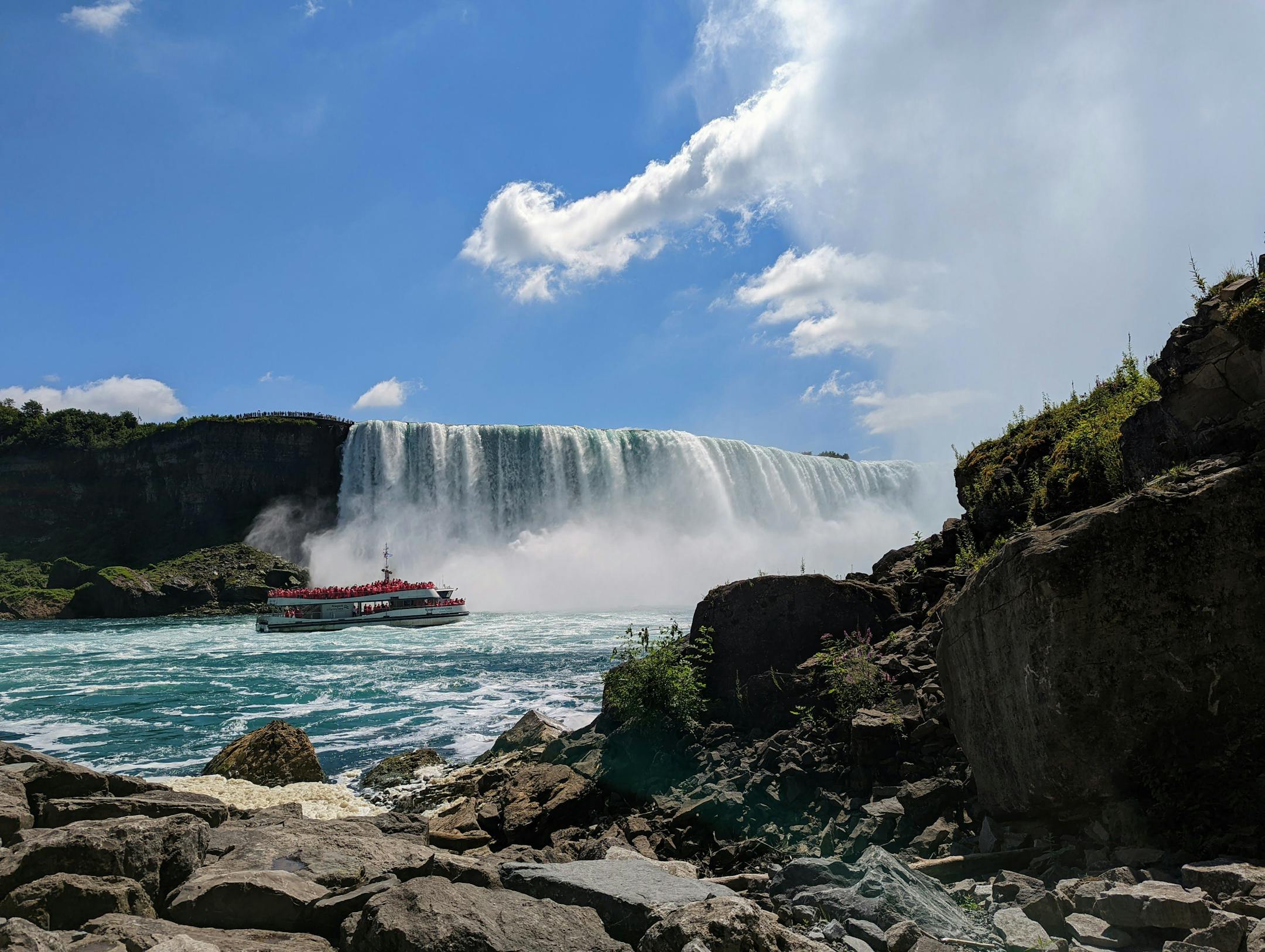
For more than a century, the imposing Beaux-Arts-style building perched beside Horseshoe Falls harnessed the fierce flow of the Niagara River to bring electricity to western New York and southern Ontario.
Now, Canada's first major hydroelectric power station is the newest major tourist attraction on the Canadian side of the falls. Amid a sea of commercialized activities that include zip lines, casinos and a climate-controlled SkyWheel, the Niagara Parks Power Station offers visitors a unique perspective of one of the world's most famous natural wonders.
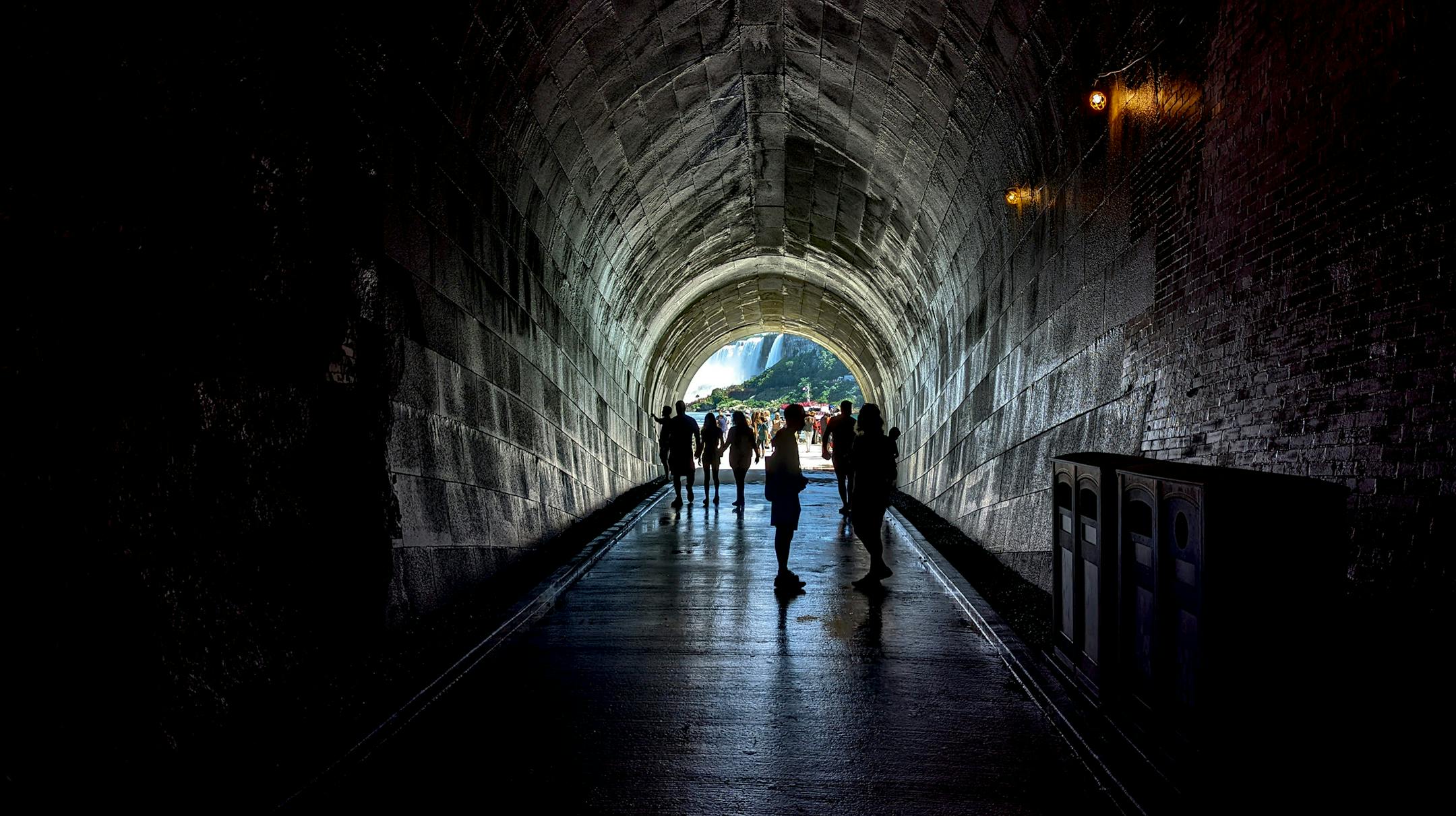
Decommissioned in 2006, the power station sat idle for years until the Niagara Parks Commission, the self-funded government agency that oversees the area, took over and set in motion a plan to bring it back to life as a tourist attraction. After a nearly $19 million renovation, the 65,000-square-foot main hall opened to the public in July 2021, followed a year later by a walkable tunnel that ends at a large platform with unparalleled views of the entire Niagara Gorge.
The viewing platform at the end of the tunnel was the finishing touch of the restoration and is a key step in understanding the hydroelectric process from start to finish. Visitors descend by glass elevator to the wheel pit, where they follow the same path the spent water once took on its way back to the lower Niagara River. Here, the close-up views of Horseshoe Falls emphasize the power of the water and how it was harnessed back in the 1900s to generate electricity.
Beginning operation in 1905 using patents developed by Nikola Tesla and George Westinghouse, the facility is one of the few power stations from the early 20th century to close with all its equipment intact, said Marcelo Gruosso, senior director of engineering and parks operations at the Niagara Parks Commission.
The people who worked at the Canadian Niagara Power Co. "took exceptional care and pride in it," he said. "Everything you could imagine was still there when it closed. They even left the drawing board."
Gruosso and his team had access to 1,500 archival photos dating as far back as 1901, chronicling "every step of the build," he said. That included the construction of a huge temporary cofferdam to divert the thundering water from the building site. More than a century later, workers used modern technology and tools to build a similar watertight enclosure to hold back the river so they could reinforce the walls.
Then there's the marvel that is the tailrace tunnel (the channel that discharged the tailwater back to the river), built in the early 1900s with little more than pickaxes, shovels and rudimentary dynamite.