

Four newly elected members of the Minneapolis school board will take the oath of office Tuesday, the culmination of a seven-year push for a more diverse and representative governing board.
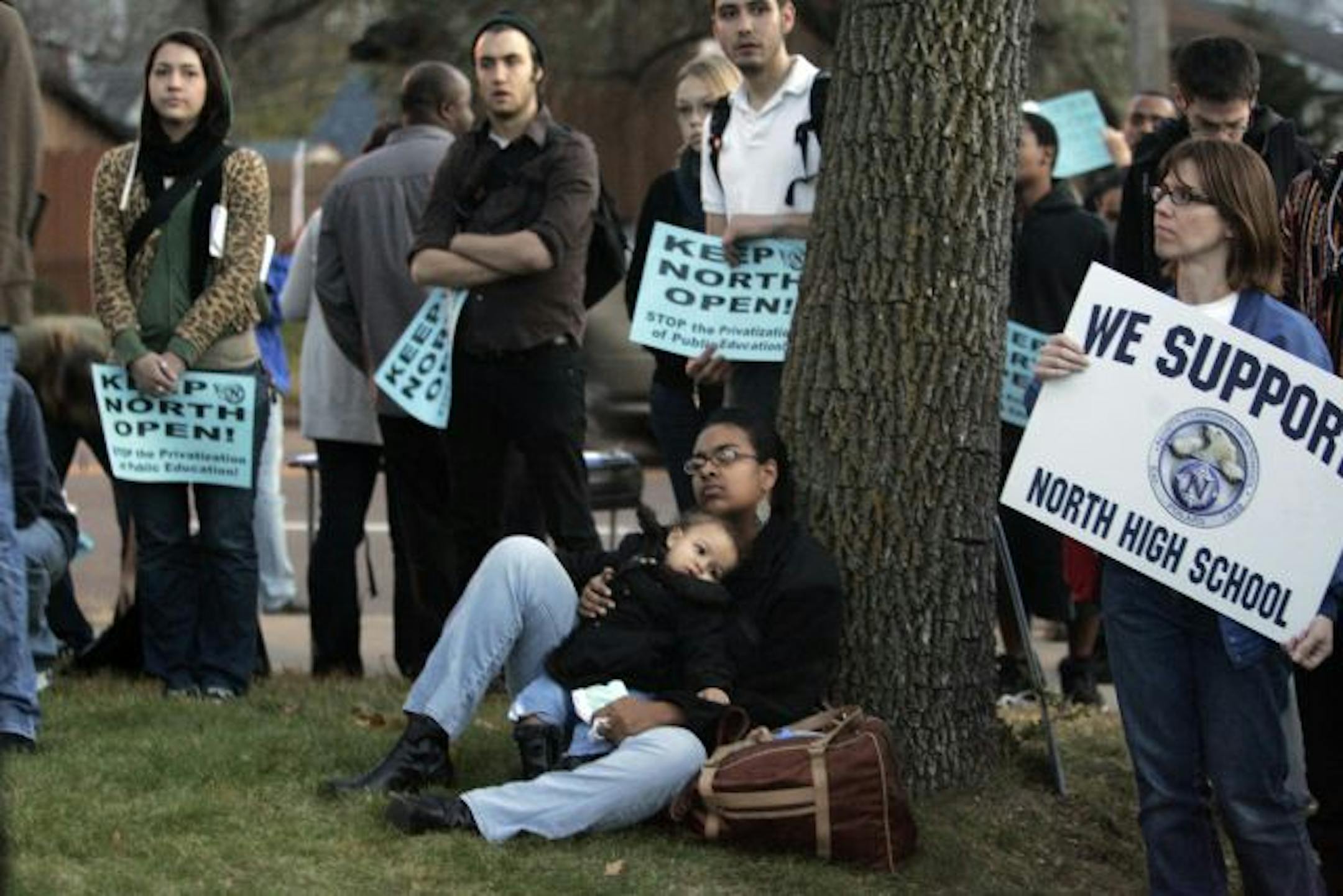
When a wave of school closings hit Minneapolis in 2005, some of the parents who jammed public meetings in protest felt left out. They had no designated school board member to contact. So a legislator from one of those areas floated the remedy of electing a majority of the school board from districts, an idea approved by the Legislature and then Minneapolis voters.
November's election of Tracine Asberry, Kim Ellison, Josh Reimnitz and re-election of Carla Bates completes the board's expansion from seven to nine members, and with four minority members, creates what's probably the most diverse school board in the city's history.
The district is in a much different environment as the calendar hits 2013, no longer hunkered down against declining enrollment but instead scrambling to find enough classrooms for modest gains in student numbers that are projected to last for at least five years.
It enters that environment with a much different board. For the first time, people elected from geographic constituencies will control two-thirds of the board, much the same system as the Park Board long has used.
Advocates say it's too early to judge the new system -- after all, the board isn't facing geographically fraught decisions such as closing schools. A nearly majority minority board has been elected, with minority board members holding four of six district seats, versus none in three city-wide seats.
But there's also been less competition for district seats, with only one primary election needed. Others worry about an increased burden on staff serving the board and observe at least some signs of provincialism.
The diversification of the board began with a 2006 law carried by Rep. Jim Davnie, DFL-Minneapolis, and ratified by voters in 2008.


