

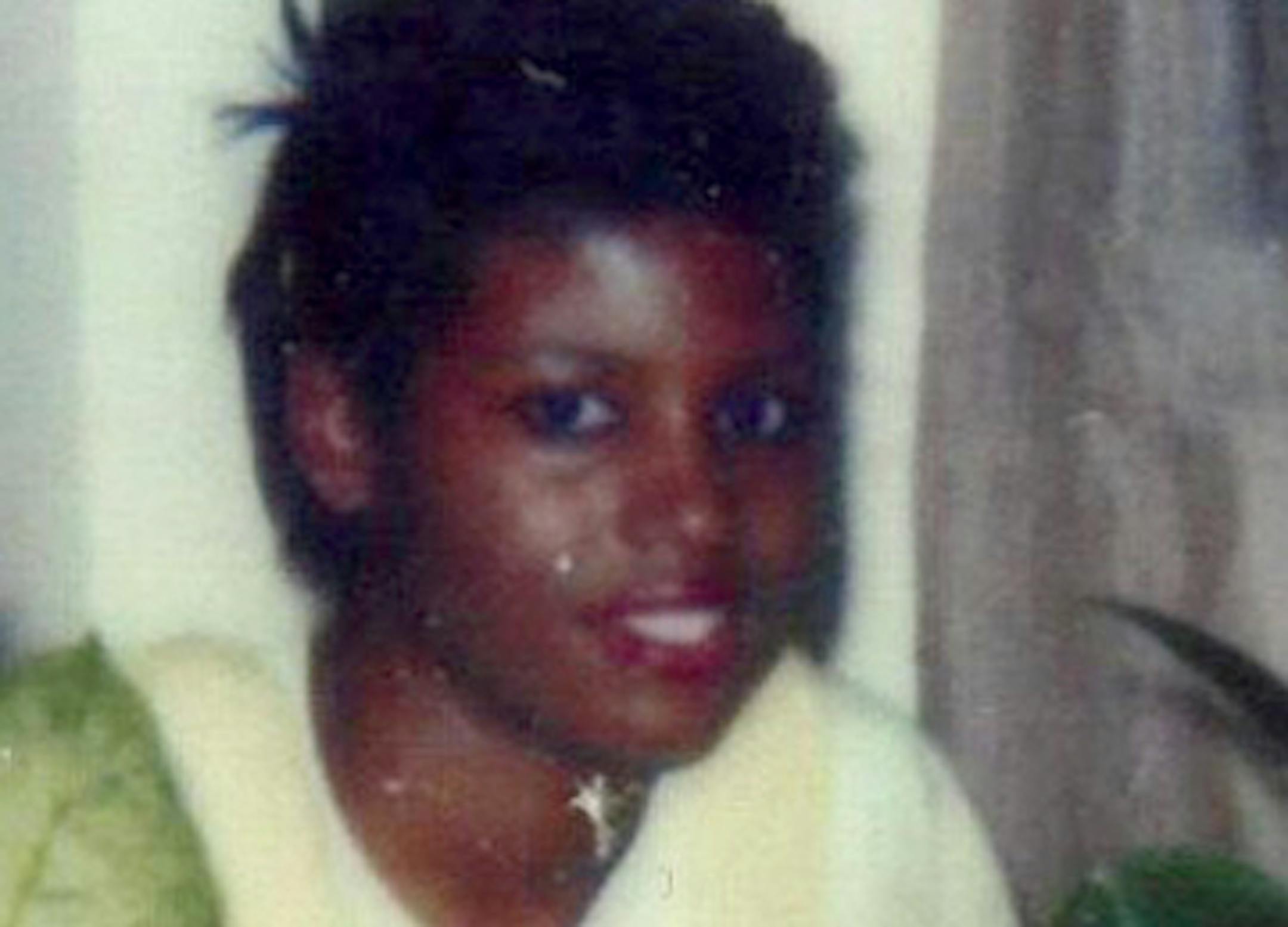
The Minnesota Bureau of Criminal Apprehension (BCA) announced Thursday that it made its first identification of previously unidentified remains as part of a statewide project.
The remains of Pearline Roberta Walton were finally identified using a sample relatives provided earlier this year. Walton, who was believed to have been murdered, was last seen in Minneapolis in the summer of 1993. She was 22 years old.
The Minneapolis woman's remains were found in Dresser, Wis, in November 1993 by a hunter.
"This case has remained opened since 1993, and will remain open until we are satisfied that a final legal resolution has been obtained," said Polk County Sheriff Pete Johnson. "We now know who she is, which is a very important step for the investigation into the circumstances surrounding her death."
Anyone with information is asked to contact the Polk County Sheriff's Office at 715-485-8366.
In May, the BCA began a project to identify the dozens of human skeletons that had sat in medical examiners' offices across Minnesota without anyone knowing who they were. Using advanced DNA techniques, the BCA has worked at comparing DNA from relatives of people that have gone missing to DNA from at least 100 remains found in Minnesota from the 1970s to the 1990s.
While forensic scientists first started using DNA to test remains around the year 2000, within the past few years DNA extraction and testing capabilities have become more sensitive so that scientists nowadays can derive DNA from old remains even if they are in poor condition.
The BCA has asked that family members of long missing Minnesotans step forward so that investigators can take a swab from the inside of their cheeks to be able to do the DNA comparisons. DNA obtained from the remains is being entered into the FBI's Combined DNA Index System where it will be compared with family member samples. In addition to the testing, descriptive information about missing and unidentified people will be entered into the National Missing and Unidentified Persons System.


