

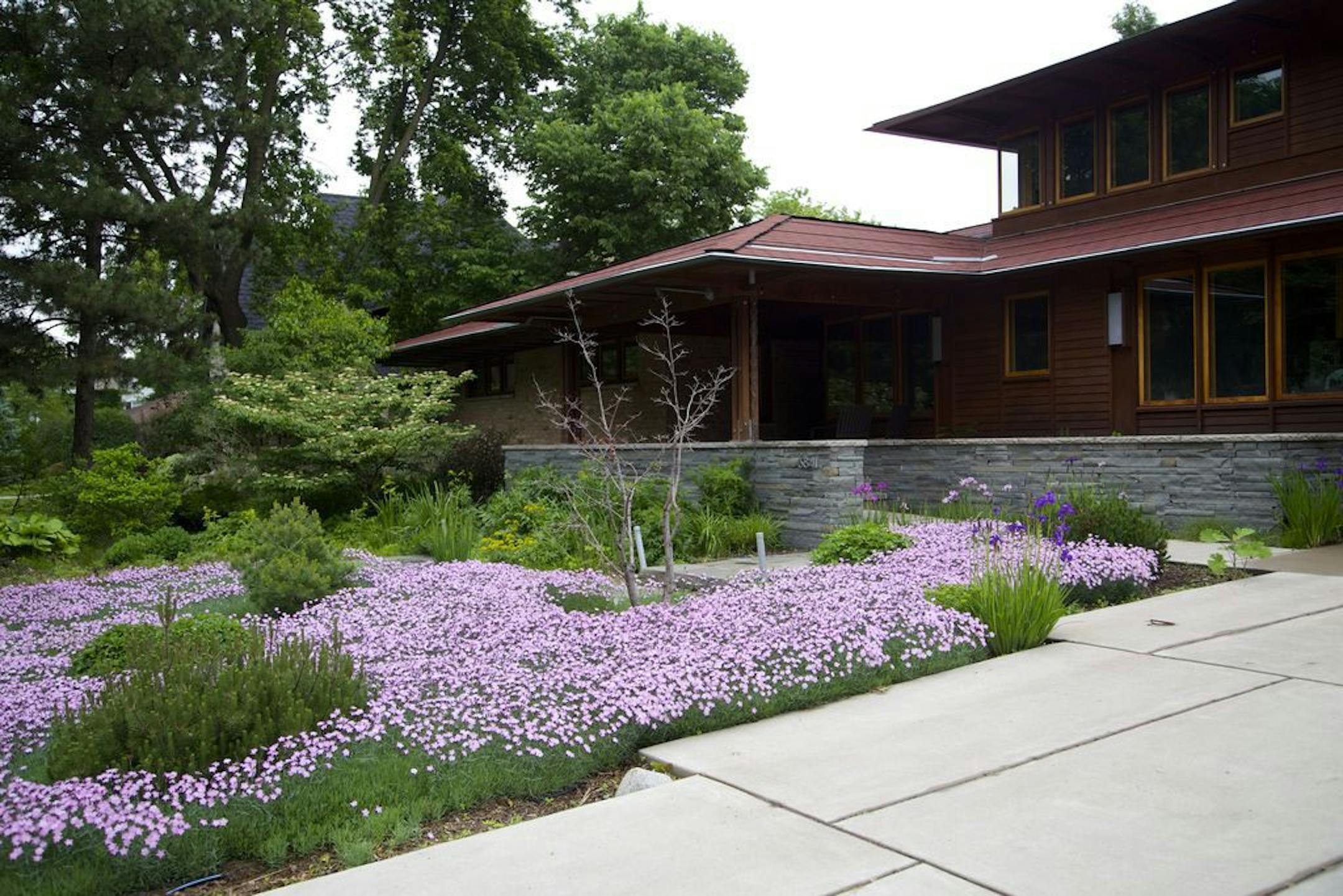
I've lived and gardened in a lot of places, and I've seen a lot of mulch. You name it: wood chips, pine bark, shredded cypress, pinestraw, hay, straw, newspaper, rubber pellets, sawdust, cocoa hulls, mushroom compost, oyster shells, gravel, black lava rock and white sparkly rock. Don't get me started on that dyed-red stuff.
Nowadays, no matter the material, I'm trying to wean myself off that kind of mulch.
What, you say? Gardening experts have been preaching its golden virtues for so long. Mulch suppresses weeds, reduces erosion, retains moisture, insulates plants, cools soil and prevents evaporation. And when done well, it looks so tidy.
True, but aren't you tired of the never-ending trips to the garden center to buy the bags, haul them home and shovel the mulch onto your landscape? Plus, it's wearying, not to mention ugly, when it slips and slides around every time it rains. Worse, many landscapes become more about the mulch and feature few plants, like polka dots of green on a brown canvas.
Little by little I'm trying to replace all of the conventionally mulched areas of my garden with a different type of mulch — the living kind. You'll notice in nature that plants don't grow in isolation; rather they live in a community with other species around them. You can underplant your trees, shrubs, specimen plants and large perennials with living mulch — low-growing plants, grasses, sedges and groundcovers — to achieve the same great benefits of bagged mulch but with more attractive and sustainable results.
Fellow garden writer Benjamin Vogt, author of "A New Garden Ethic," is an ardent promoter of living mulch, and especially sedges. He writes: "We don't see wood mulch in nature, so if our goal is a sustainable, low-maintenance landscape, we need to mimic nature. That means super-thick gardens and many plant layers. That means green mulch. One group of plants that is ideal for this living, green mulch are sedges, which contain many species that thrive in any site condition. Using sedges as a wood mulch alternative creates a healthier soil and better weed suppression, while providing more habitat for wildlife."
Getting started
To create a living mulch, do your homework, and choose groundcovers and other low-growing plants that suit your garden situation, soil type, light conditions and moisture levels. Some plants creep and crawl; others clump. They may multiply by seed or stolon (runners), and you'll want to pay attention to how vigorously they spread, depending upon how large an area you have and how quickly you want to cover bare spots. Be sure to avoid invasives.
You can start with seed, plugs, flats or larger plants, according to your budget and timetable. Often you may have some apt candidates already growing in your garden that you can divide to increase their coverage. You still may have to use some regular mulch until the new plants are established. Eventually, you can do away with it as the plants knit together to form a weed-discouraging mat.
![An unopened purple poppy mallow or winecup in Beautiful Gardens winner Jeremy Mayberg's mostly native plant garden Wednesday, Aug. 9, 2017, in Edina, MN.] DAVID JOLES • david.joles@startribune.com Beautiful Gardens winner Jeremy Mayberg**Jeremy Mayberg, Amy-Ann Mayberg , cq](https://arc.stimg.co/startribunemedia/WK22DVP4WKTA2ZL3PWEZ2UBPHM.jpg?&w=1080)

