

Opinion editor's note: Editorials represent the opinions of the Star Tribune Editorial Board, which operates independently from the newsroom.
•••
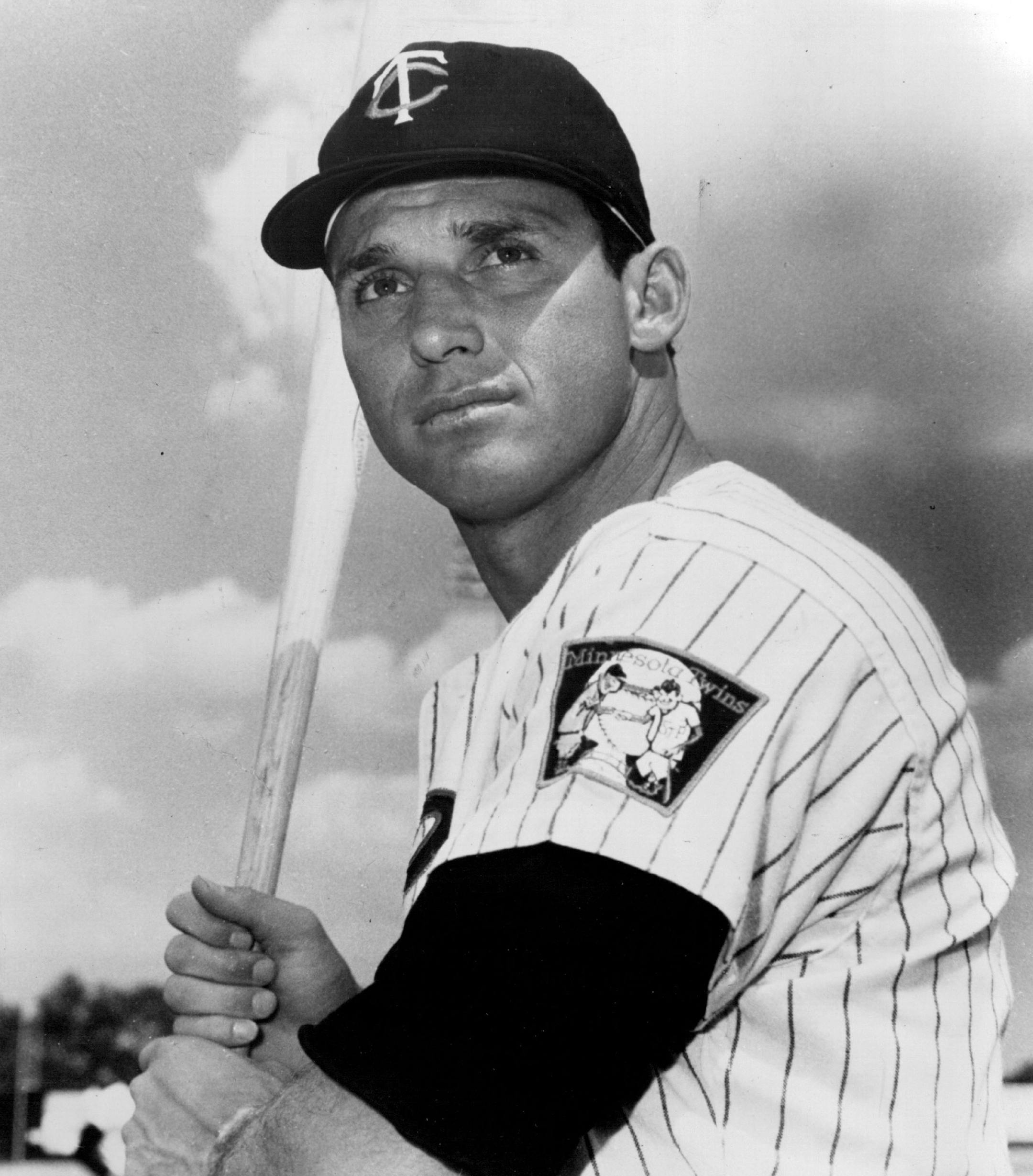
A powerful swing, ferocious base-running skills and an amazing backhanded catch during the Twins' 1965 World Series appearance made Bob Allison a Minnesota baseball legend.
But during a 1987 "old-timer's game" at the Metrodome, the accumulated years couldn't explain Allison's discomfiting loss of coordination as he returned to the ballfield. After two years of seeing doctors, as symptoms grew to include slurred speech and a stagger in his walk, he got a grim diagnosis:
He had a type of ataxia, a degenerative disease that can cause a lack of coordination, speech and gait difficulties, tremors and heart problems. Allison died from complications of the disease in 1995 at the age of 60.
However, the three-time All-Star's fight against ataxia didn't die with him. He and his family founded the Bob Allison Ataxia Research Center at the University of Minnesota, which has helped make the state a neuroscience research hub. A prestigious international honor won recently by a U scientist reflects the substantial strides made here in understanding ataxia and offers hope for a brighter future for those diagnosed with the disease.
The award, known as the Kavli Prize, "honors scientists for breakthroughs in astrophysics, nanoscience and neuroscience." Harry Orr of the U's Medical School was one of four laureates in neuroscience and one of 11 Kavli Prize recipients overall in 2022.
Norway's Academy of Science and Letters appoints the prize selection committees, and its royal family presides over the ceremony. The batting average of Kavli laureates who go on to win a Nobel Prize is impressive. Sixty-five scientists from 13 countries have been honored since the Kavli prizes were first awarded in 2008. Ten of them would also win Nobel acclaim.


