Consider the misunderstood schmaltz.
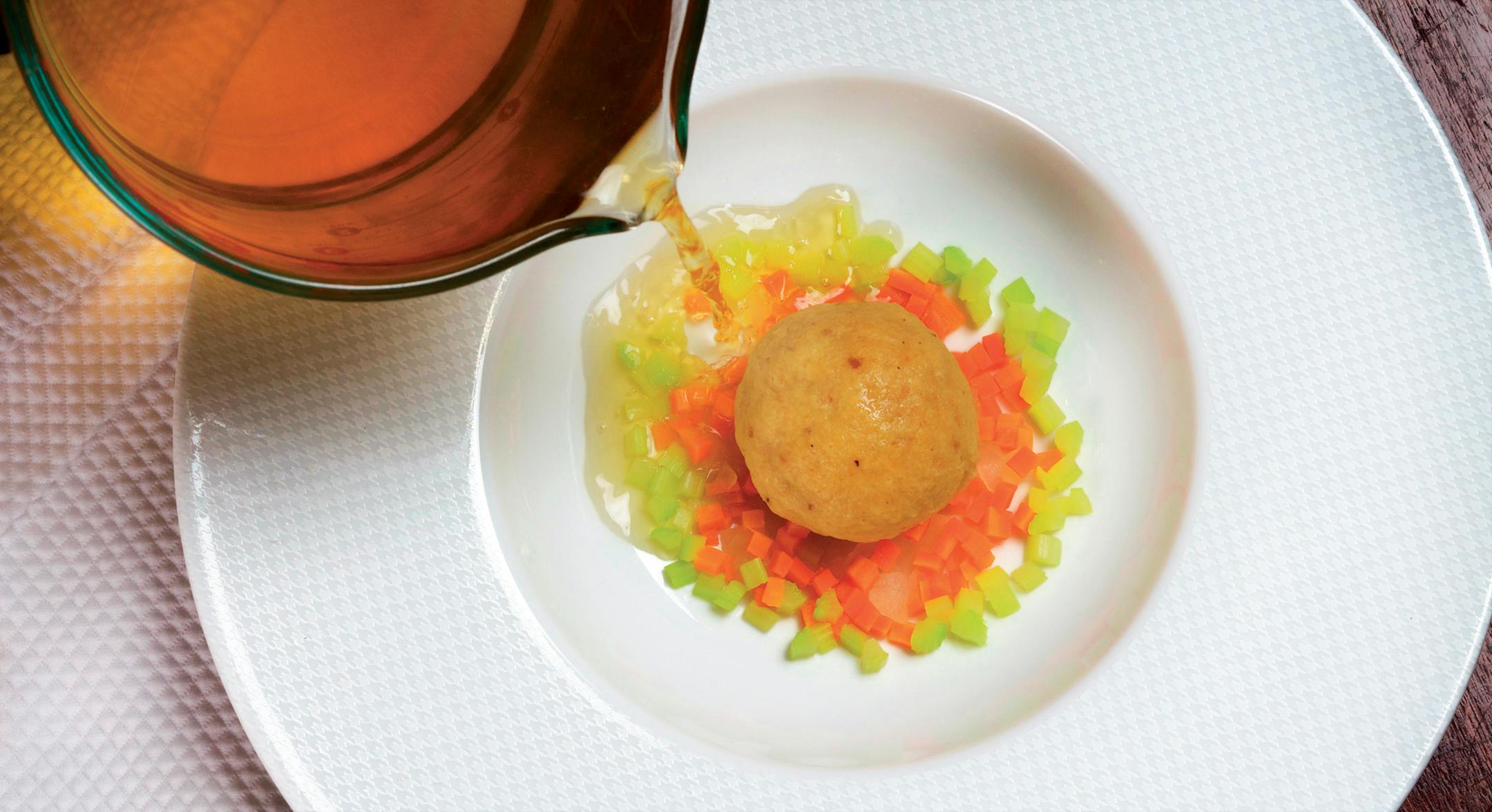
Chicken fat turns into schmaltz when gently rendered with a little water, then seasoned with onion. It's a substance that is at once irresistible and scorned, decadent and sacred, formerly ubiquitous, now largely hidden and forbidden and so efficiently eradicated from culinary lexicon that its true definition is absent from leading dictionaries.
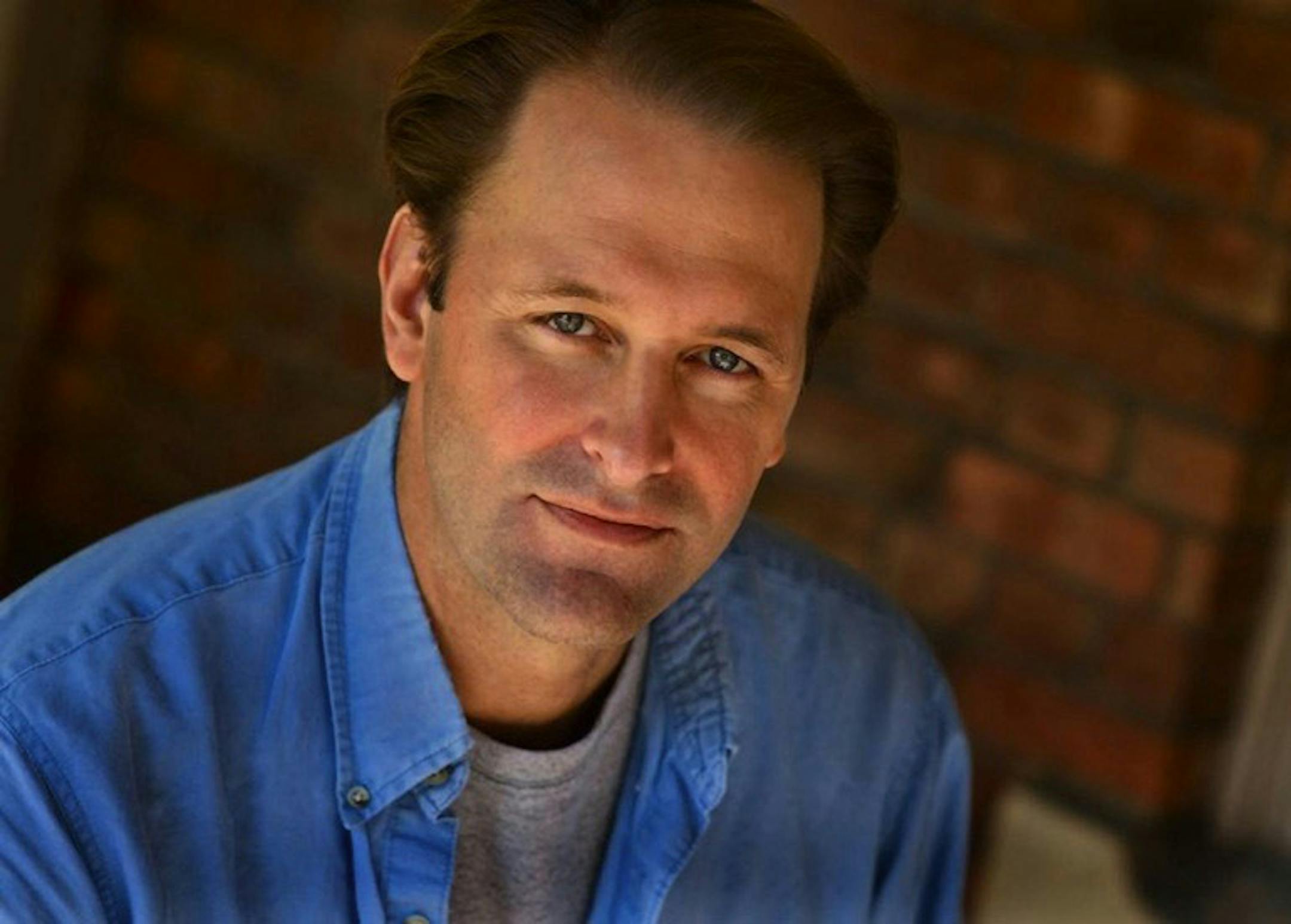
Then along came Michael Ruhlman, the James Beard Award-winning food historian, cookbook author and trained cook. He is America's scholar on most things fat.
A great defender of humble, natural fats, he's the technique-driven writer who taught us how to dry-cure meats in his book on salumi, and how to make sausage in his book on charcuterie.
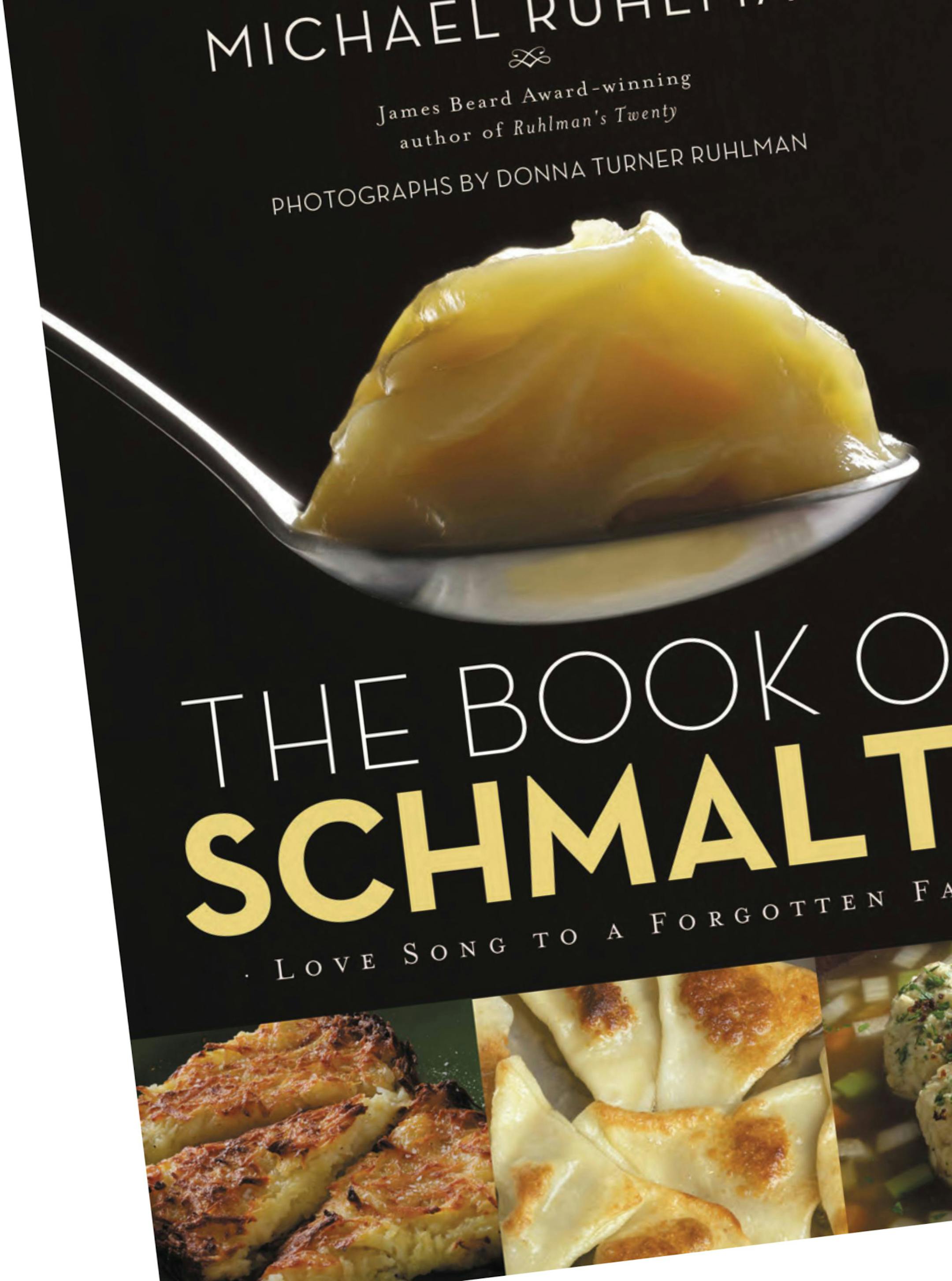
Now he turns his attention to the centerpiece ingredient in traditional Jewish cuisine. He has written "The Book of Schmaltz: Love Song to a Forgotten Fat" (Little Brown, $25).
Ruhlman, who is not Jewish, came to the topic as an outsider. He saw his opportunity to explore his interest in schmaltz about two years ago during a conversation at a neighborhood party.
It was just before Rosh Hashana and Yom Kippur and one of his neighbors, an accomplished home cook named Lois Baron, announced that in preparation for the High Holy Days, she was off to make schmaltz. "There's nothing else like it," said the 78-year-old neighbor who, as Ruhlman writes, "cooks like a banshee."
The cookbook author asked his neighbor if she would join him on a chicken fat adventure, a book that would serve as a tutorial and reference guide on schmaltz. After a good laugh, she agreed.