A look at outdoors/conservation issues for 2018

With 2017 in the rear-view mirror, outdoors writer Tony Kennedy previews the hot-button issues for Minnesota in 2018.

January 3, 2018 at 4:34AM
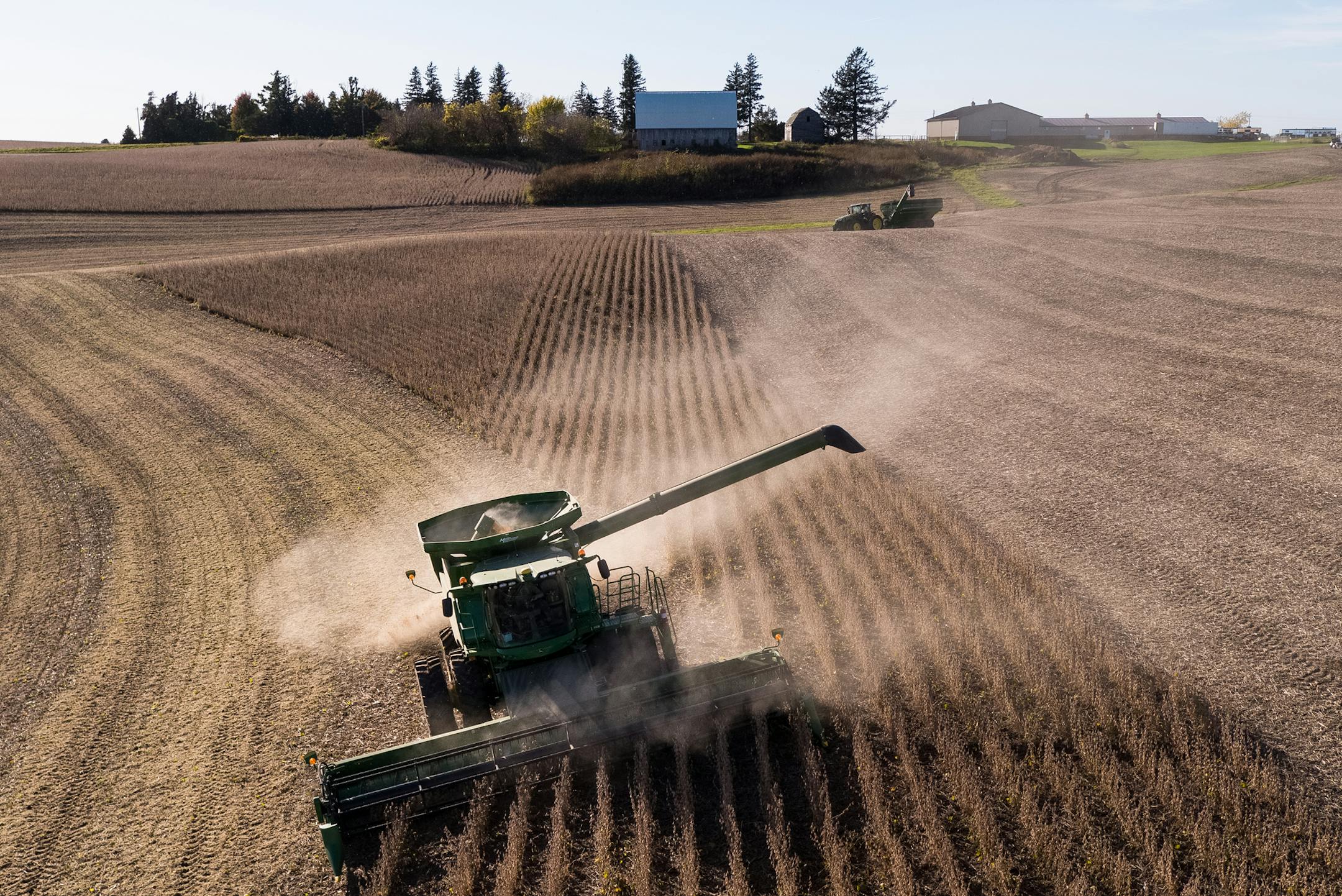
Farm Bill: With Congress due to reauthorize the Farm Bill in 2018, state natural resource officials are aligning with conservation groups to push mightily for raising the acreage cap in the maxed-out Conservation Reserve Program (CRP). Minnesota has been losing about 500,000 acres of grassland a year as CRP contracts have matured and farmers have returned idled land to production. Nothing is more important to clean water and prairie restoration in Minnesota than increasing grassland. A CRP victo
Farm Bill: With Congress due to reauthorize the Farm Bill in 2018, state natural resource officials are aligning with conservation groups to push mightily for raising the acreage cap in the maxed-out Conservation Reserve Program (CRP). Minnesota has been losing about 500,000 acres of grassland a year as CRP contracts have matured and farmers have returned idled land to production. Nothing is more important to clean water and prairie restoration in Minnesota than increasing grassland. A CRP victory also is crucial for pheasants, ducks, geese, songbirds, pollinators and other wildlife in Minnesota. ] AARON LAVINSKY ï aaron.lavinsky@startribune.com (The Minnesota Star Tribune)

Deer Farms: DNR officials complained in 2017 about a perceived lack of cooperation from the state Board of Animal Health in fighting an outbreak of chronic wasting disease (CWD) in wild deer. Questions have been raised about whether the board is too cozy with deer farmers to regulate penned herds in a manner that protects the state's priceless natural bounty of whitetails. Some answers may be forthcoming in late March or early April when the Office of the Legislative Auditor in St. Paul reports on its review of the agency.

Deer plan: Minnesota's first comprehensive plan ever for managing white-tailed deer will be written in a matter of weeks, crystallizing ideas about herd management and data-gathering that have been bounced around in public meetings for many months. With the pending Deer Plan, the DNR is trying to answer critics in the deer hunting community who have demanded improvements to deer management and full access to information the agency uses when deciding harvest strategies and when taking other actions. The initial draft for public review should be out late this month or in early February.

Fish bags: The DNR will be talking to stakeholders this year to gauge interest and support for a possible reduction to the statewide walleye bag limit, which now stands at six fish on inland waters. The general possession rule is not more than one walleye over 20 inches. (Special regulations and lower limits apply to certain lakes and rivers). The walleye bag limit is a touchy issue in a state where walleyes are the most sought-after fish. It's an issue that could take years to play out and there's also desire by serious sunfish anglers in lowering the statewide possession limit on bluegills.

Go Loons: Organizers of a new nonprofit loon foundation in Crosslake, Minn., will be stirring up interest in 2018 and raising money to advance their plan to build the first National Loon Center. The idea, still conceptual, is to secure a shoreland site on federal land on the Whitefish Chain of Lakes in Crow Wing County. Five million dollars is the rough estimate of what is needed to get the eco-tourism project off the ground and more funds would be needed to keep it going.

Tony Kennedy
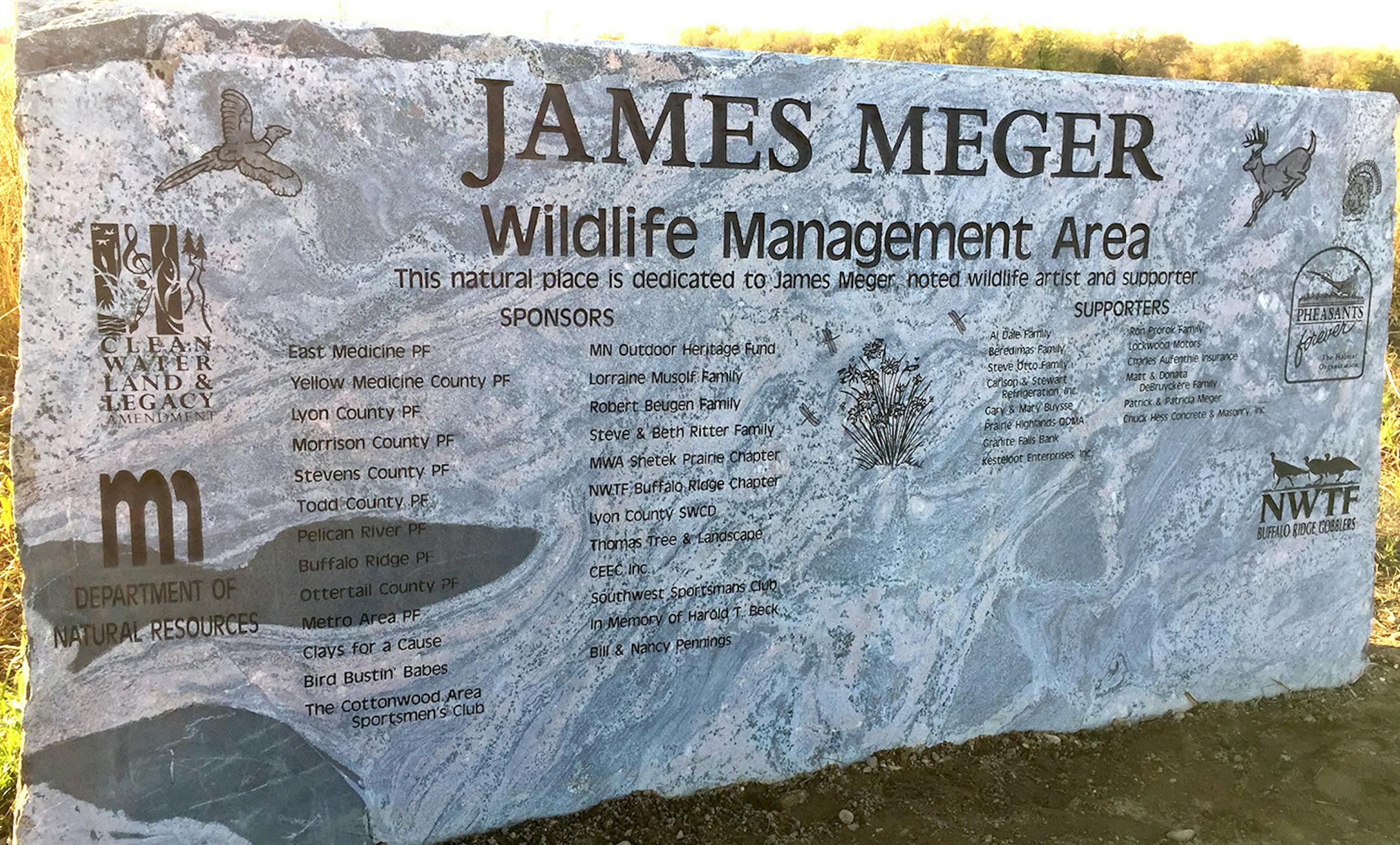
Happy Anniversary: Minnesota this year celebrates the 10th anniversary of its Clean Water; Land and Legacy Amendment; a voter-approved change in the state Constitution to protect enhance; and restore all water; wetlands; prairies; forests; fish; game and wildlife habitat; along with preserving arts; cultural heritage; parks and trails. The amendment raised state sales tax by three-eighths of one percent and designated it for legacy purposes. Appropriations for the outdoors; including for clean w
Happy Anniversary: Minnesota this year celebrates the 10th anniversary of its Clean Water, Land and Legacy Amendment, a voter-approved change in the state Constitution to protect, enhance and restore all water; wetlands, prairies, forests, fish, game and wildlife habitat, along with preserving arts, cultural heritage, parks and trails. The amendment raised state sales tax by three-eighths of 1 percent and designated it for Legacy purposes. Appropriations for the outdoors, including for clean water, have surpassed $1.8 billion. Last October’s opening of the James Meger Wildlife Management Area is an example of a funded project. (The Minnesota Star Tribune)
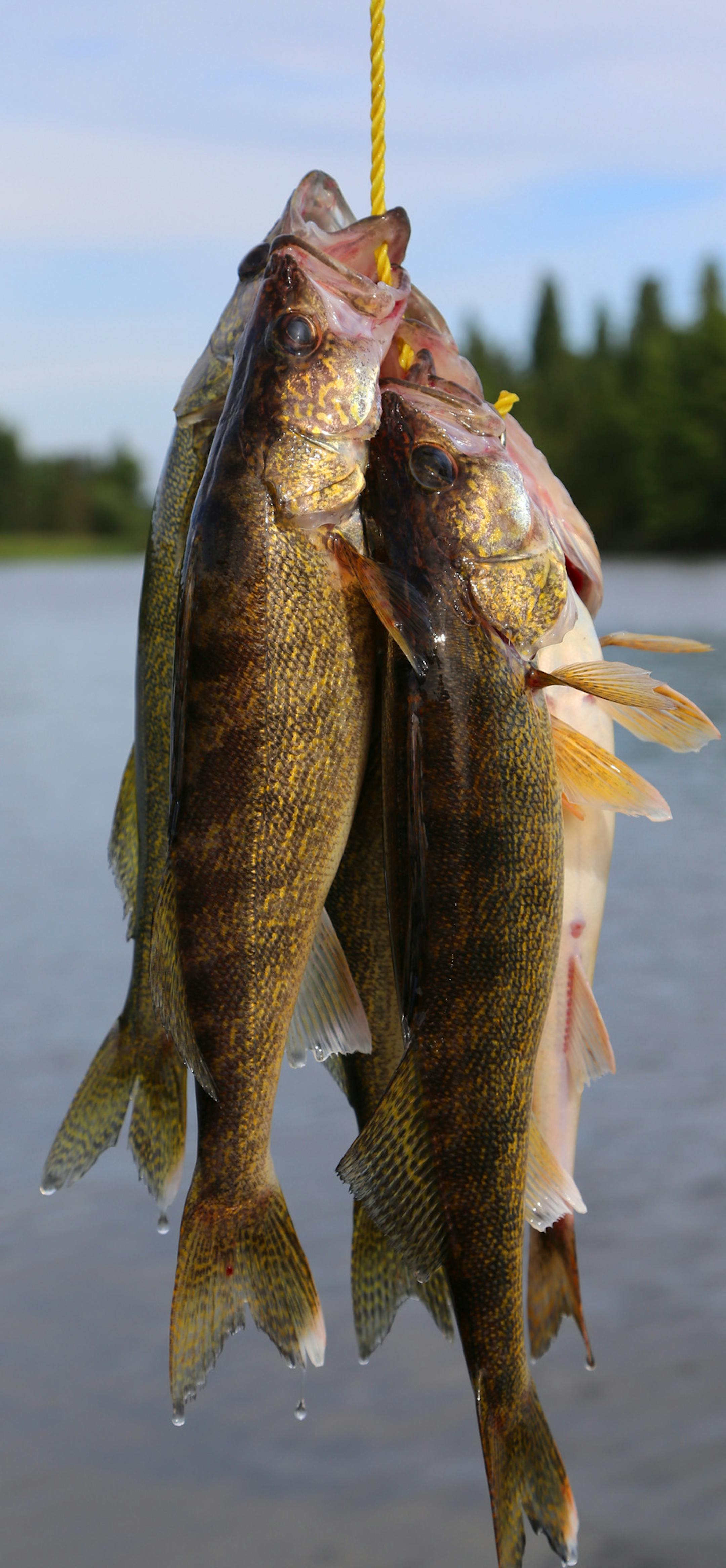
Walleye Watch: Some time next month, Minnesotans will get a Mille Lacs walleye report card from Dr. Chris Vandergoot of the U.S. Geological Survey. He’s the lead fisheries expert on an independent team of reviewers hired to delve into walleye management and strategy on Mille Lacs. Many locals believe DNR and tribal officials are being overly protective of the lake’s famous resource by imposing periodic fishing bans and catch-and-release regulations.
Photo by Dennis Anderson
Walleye Watch: Some time next month, Minnesotans will get a Mille Lacs walleye report card from Dr. Chris Vandergoot of the U.S. Geological Survey. He’s the lead fisheries expert on an independent team of reviewers hired to delve into walleye management and strategy on Mille Lacs. Many locals believe DNR and tribal officials are being overly protective of the lake’s famous resource by imposing periodic fishing bans and catch-and-release regulations. (The Minnesota Star Tribune)
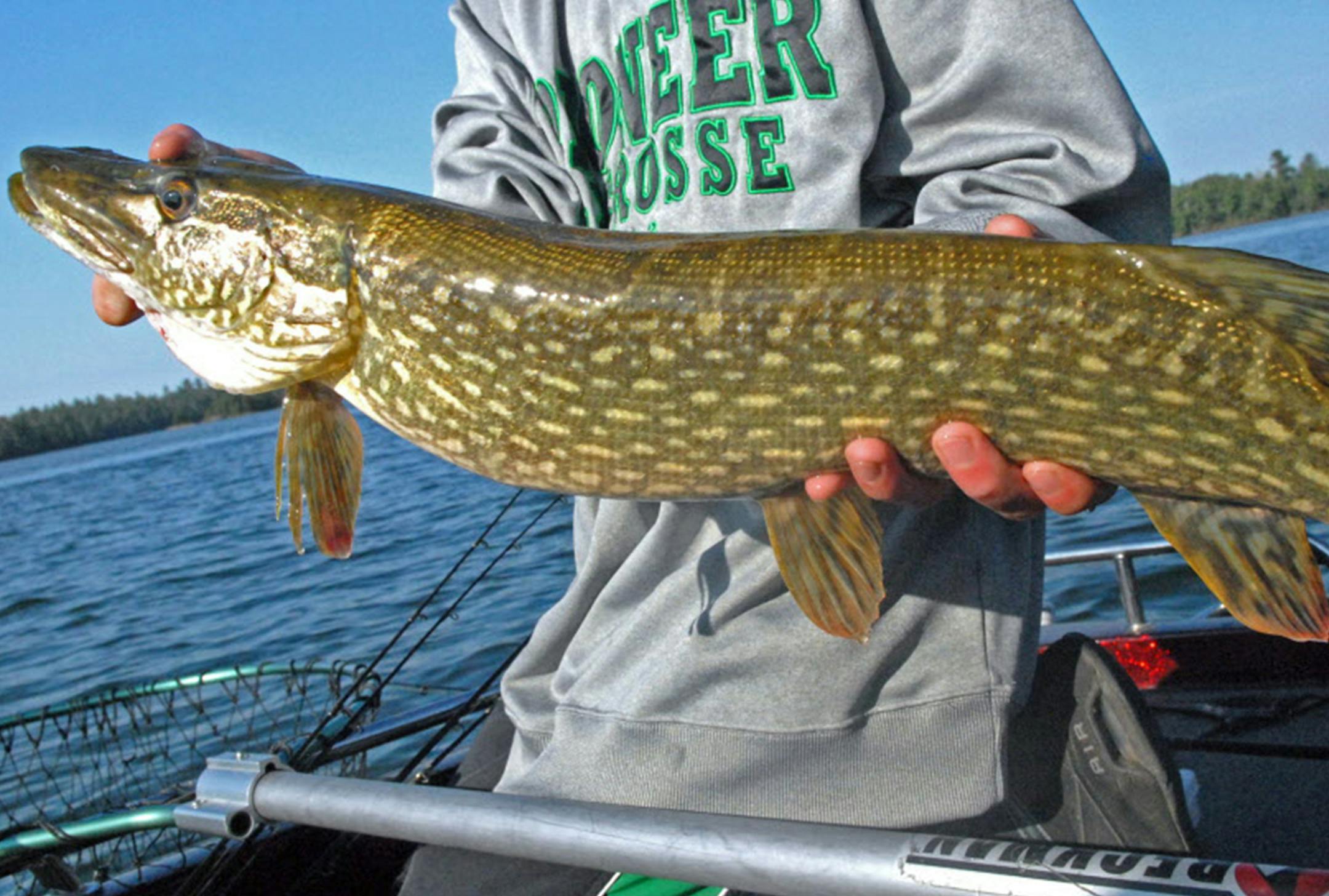
Pike Rules: New statewide northern pike regulations take effect May 12. The state has been divided into three pike zones. In the majority of the state (north-central zone) anglers can keep 10 northerns, but not more than two longer than 26 inches; and all from 22 to 26 inches must be released. In the northeast zone, anglers will be able to keep just two pike; and all from 30 to 40 inches must be released. Southern zone anglers can keep two with a minimum size of 24 inches. ORG XMIT: MIN170209121
Pike Rules: New statewide northern pike regulations take effect May 12. The state has been divided into three pike zones. In the majority of the state (north-central zone) anglers can keep 10 northerns, but not more than two longer than 26 inches, and all from 22 to 26 inches must be released. In the northeast zone, anglers will be able to keep just two pike, and all from 30 to 40 inches must be released. Southern zone anglers can keep two, with a minimum size of 24 inches. (The Minnesota Star Tribune)
about the writer

about the writer