

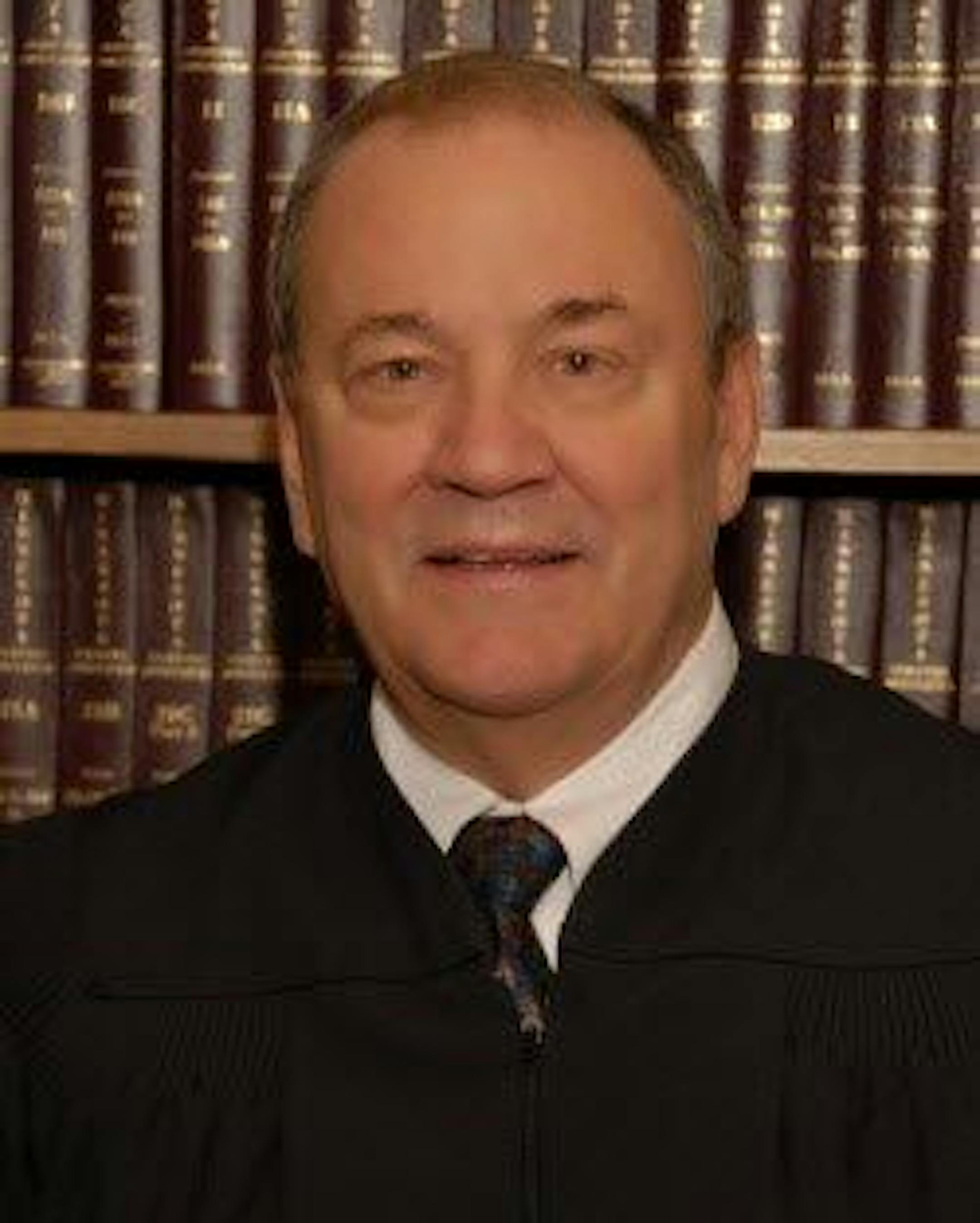
Anoka County District Judge Michael Roith took the path that many of his retiring colleagues take when he applied to the state Supreme Court for senior judge status this year. If approved, he would earn $350 a day filling temporary bench openings created when judges take sick leave or retire before their terms end.
But unlike most applicants, Roith fell into the rare category of a judge defeated in an election.
Although no law or guideline exists to prevent his appointment, Supreme Court Chief Justice Lorie Gildea informed Roith by letter that it would be inappropriate "to appear to circumvent the will of the electorate" and give him the position.
Roith, who served 26 years on the bench and as a longtime adjunct law professor, said his case should have been based on its merits and raises serious questions about the state's informal policy.
Roith said his election defeat last fall to John Dehen, a relatively unknown attorney and Ramsey City Council member, came at a time when frustrated voters sought change and didn't always know the records of the candidates.
It appears previous chief Supreme Court justices have consistently denied senior status to defeated judges since they were given the decisionmaking authority by the Legislature in 1974. Gildea acknowledged the longstanding policy and said her reason for denying Roith was unrelated to his skills and abilities.
Some legal scholars agree.
"The public decided a person shouldn't be a judge," said Stephen Simon, a law professor at the University of Minnesota. "Therefore, why should the court ignore that? Otherwise, elections would be meaningless."


