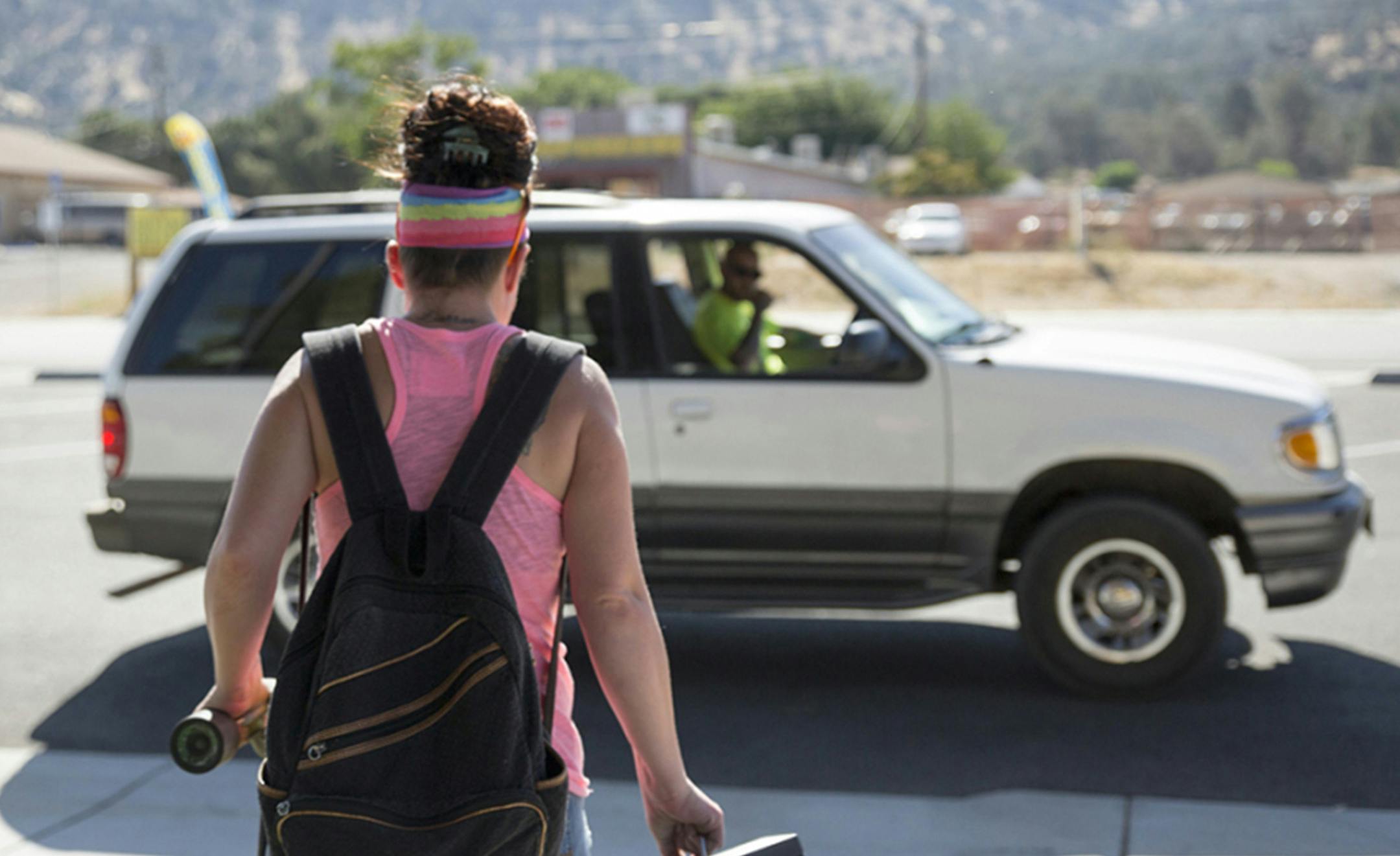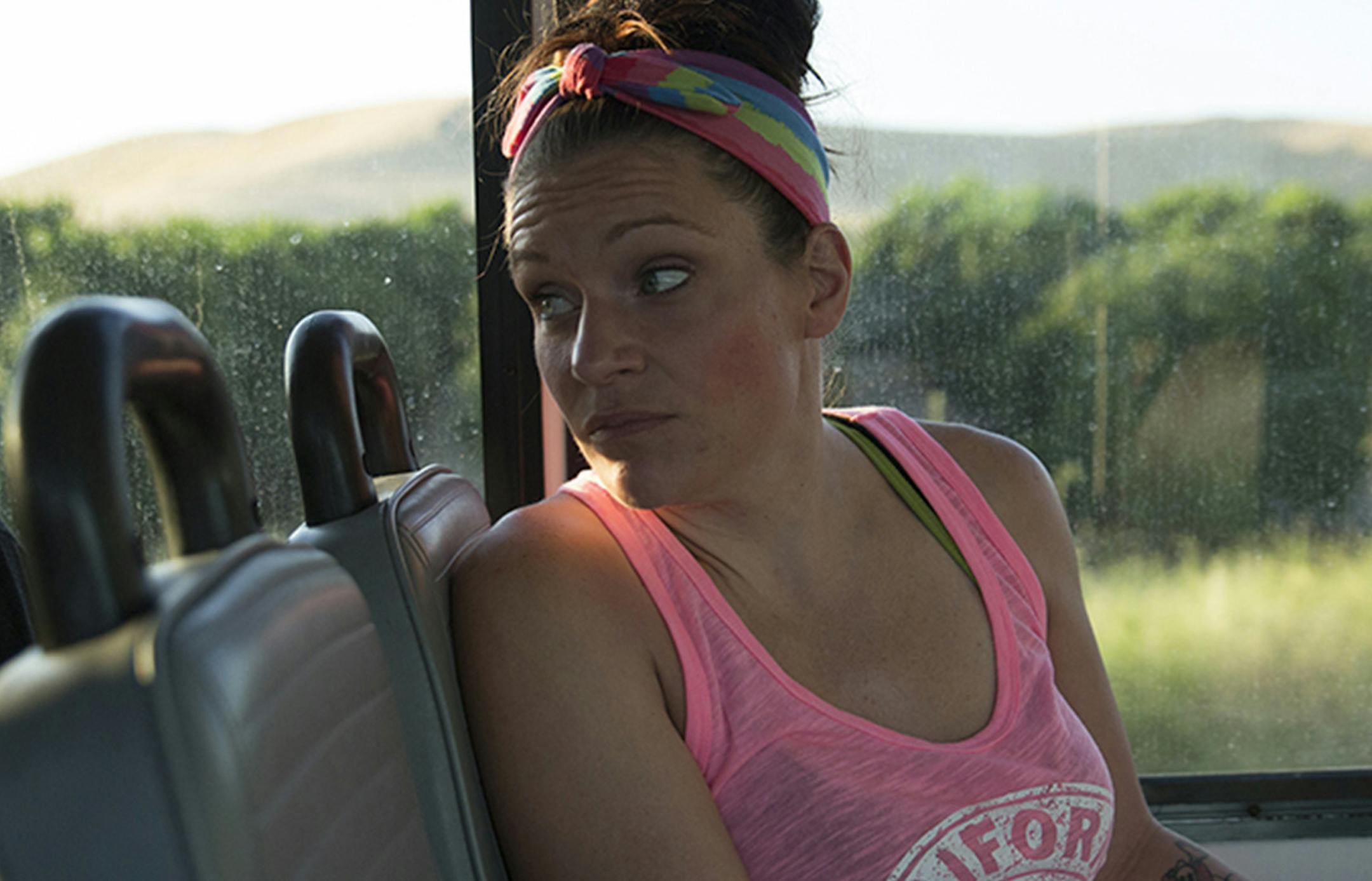
Heather Menzel squirmed in her seat, unable to sleep on the Greyhound bus as it rolled through the early morning darkness toward Bakersfield, Calif. She'd been trapped in transit for three miserable days, stewing in a horrific sickness only a heroin addict can understand. Again and again, she stumbled down the aisle to the bathroom to vomit.
She hadn't used since Chicago. She told herself that if she could just get through this self-prescribed detox, if she could get to her mother's house in her hometown of Lake Isabella, Calif., all her problems would be solved.
"I've been through a lot of horrible, crazy stuff," said Menzel, now 34. "I've been raped. I've been beaten up. I've been in prison. But trying to kick heroin on the Greyhound on the way home was the worst experience of my entire life."
When Menzel finally arrived at the Bakersfield bus station at 6 a.m. that day in February 2014, her mother and stepfather were there waiting. The two women hadn't seen each other in years, not since Menzel stole her mom's jewelry and fled the area. They didn't talk much as they drove east toward Lake Isabella, a two-stoplight town with a population of 3,500 nestled in the golden Sierra Nevada foothills.
Menzel hoped that the worst of the withdrawal was over — that a new life without heroin awaited. What she didn't know was that heroin was now cheap and plentiful in Lake Isabella, and that her best hope for treatment was far away.
Experts recommend medication-assisted treatment for drug users like Menzel, one of nearly 2 million Americans struggling with opioid addiction. MAT, as the therapy is known, has been proven far more effective — and less dangerous and miserable — than cold-turkey quitting. Drugs like methadone and buprenorphine can help suppress opioid cravings and stave off the symptoms of withdrawal.
When carefully managed, MAT can cut the risk of overdose death by half, research shows. But not all medical providers are properly trained and approved to provide the treatments, which themselves are opioids (albeit less likely to be abused).
Lake Isabella sits in the Kern River Valley, home to 32 churches but not a single methadone clinic or doctor able or willing to prescribe buprenorphine. Like half the counties in California, it is an opioid "treatment desert."