

When people rush to say they're not laughing at you, but laughing with you, it's a good bet they're laughing at you.
Reason enough to beat them to the punch line by first poking fun at yourself, and in so doing, join the growing self-mockery movement.
The strategy actually is more self-deprecating in tone, motivated by people in authority wanting to appear more relatable, more "in on the joke," more — dare we say? — human.
"I call them leaders who lighten up," said Colin Sokolowski, a Shoreview man who makes videos for local people in positions of authority, from school superintendents to priests.
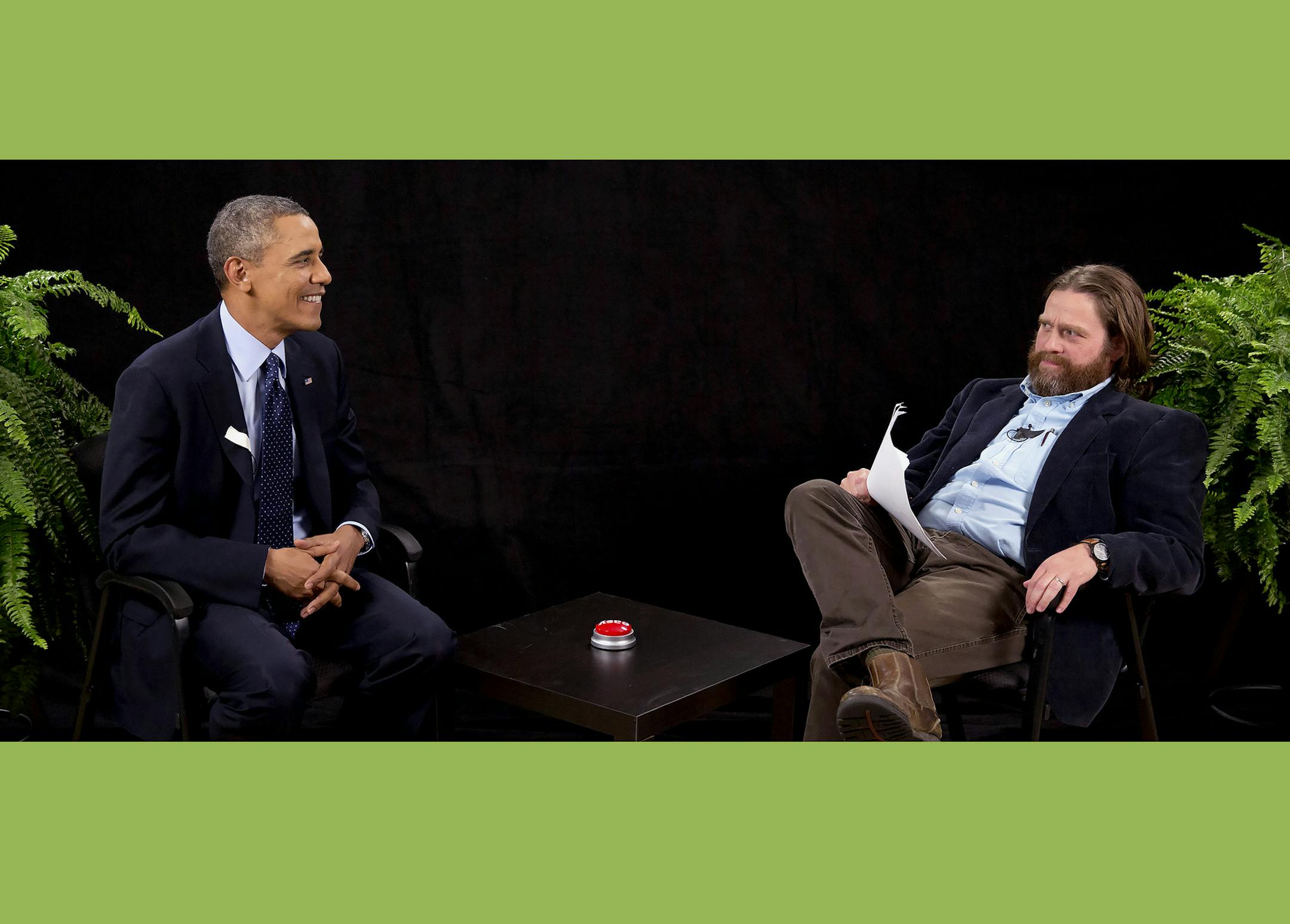
The notion has appealed even to President Obama, who recently appeared on "Between Two Ferns With Zach Galifianakis," a web talk-show spoof featuring the "Hangover" star. Galifianakis conducts awkward interviews with his guests, the best of whom come off as good sports at the mercy of a rather insolent host.
A recent Time magazine cover story explored "the case for mockery," with comedians Keegan-Michael Key and Jordan Peele suggesting that the true purpose of humor is to help people "cope with the fears and horrors of the world."
Sokolowski found a common chord in this quote from their essay: "When a humorist makes the conscious decision to exclude a group from derision, isn't he or she implying that the members of that group are not capable of self-reflection? A group that's excluded never gets the opportunity to join in the greater human conversation."
Keeping pessimism at bay
The video opens with a priest at his desk, forlornly wrapping up a day's work. Sarah McLachlan's poignant hit "Angel" plays over the scene. Words appear on the screen: "Every night, countless priests agonize as the dinner hour approaches. They're waiting for the call. An invitation to dinner … that rarely comes."


