

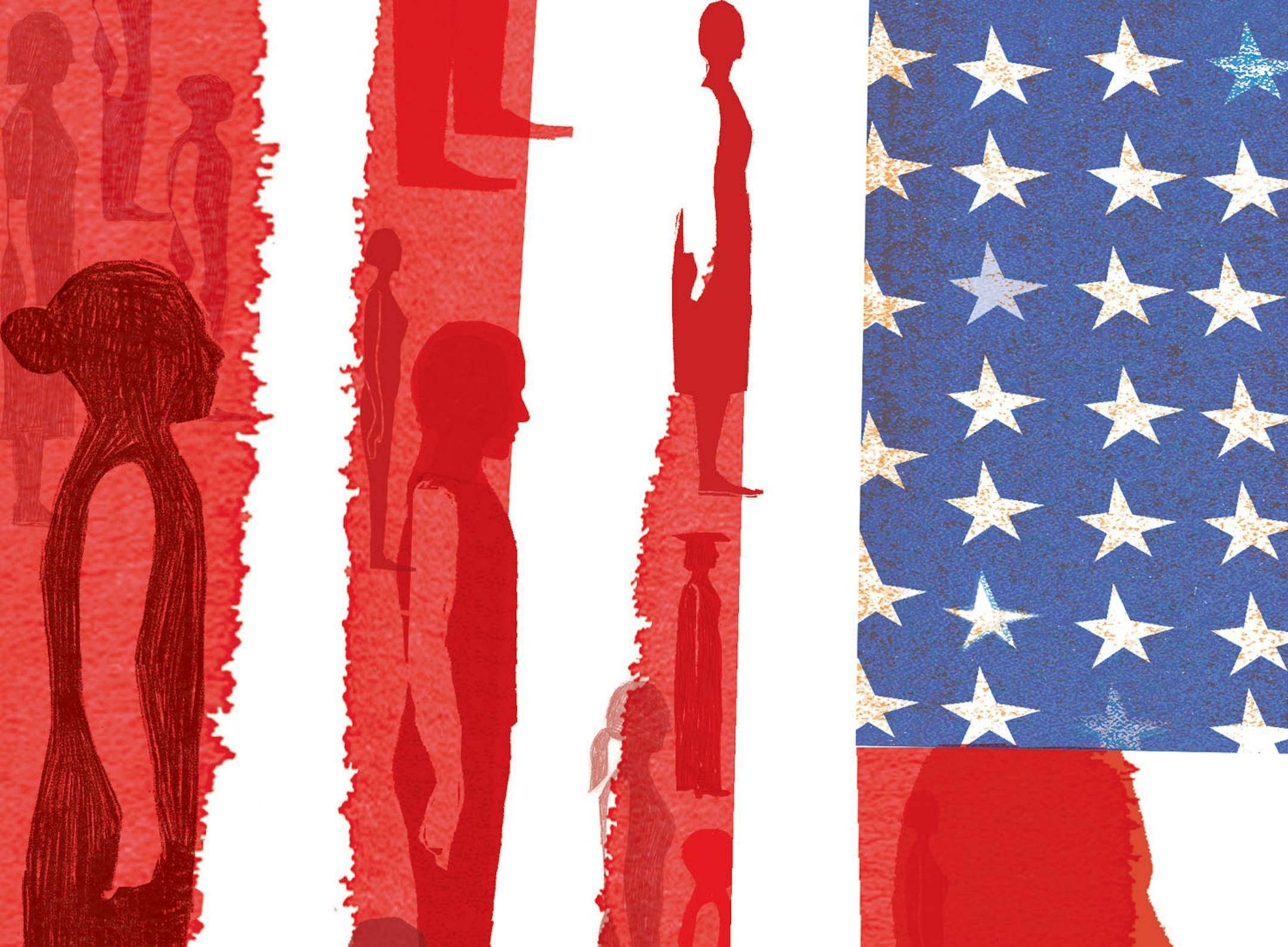
From 1880 to 1920, more than 3 million Jewish people, largely from Russia and Eastern Europe, came to the United States, escaping persecution in their home countries and seeking a better life — much like immigrants today from Latin American countries, Africa and Southeast Asia. U.S. immigration policies in the late 19th and early 20th centuries granted entry to our grandparents and great-grandparents. But in the 1920s, those polices changed — preventing many Jewish families from entering the United States during the Holocaust years.
The history of America's immigration system is about the opening and closing of the borders to some immigrants and not others. In many cases, the nation had laws in place based on what immigrants were facing in different countries — such as civil war or persecution. In the 1970s, Soviet Jews were allowed in because of oppression back home. They were able to become citizens and have access to many of the same privileges available to most citizens born in this country.
Immigrants from Central American countries, Liberia and Somalia, among other places, have been allowed to declare refugee status and come to the United States for an indefinite period of time. Unfortunately for these refugees, the lack of immigration reform has prevented many from gaining permanent legal status. The law prevents millions of other would-be immigrants from all over the world from gaining legal access to this country.
The religious community has played an important role in assisting immigrants to gain access to this country. We in the Jewish community have known the difficulties of being persecuted in other countries and facing immigration restriction. The Jewish community in the 1970s and '80s played an essential role in assisting Soviet Jews to immigrate.
Not only do we have the historical understanding and commitment to helping immigrants, we also have a strong commitment based on our sacred texts. As Jews, we are exhorted some 36 times in the Torah to never forget the heart of the stranger — for we were once strangers in a strange land. Instead of becoming victims, we became a catalyst for seeking to mend a broken world. The meaning of the story of the Jewish people is that unless we are willing to affirm the past but not be defined by it, we would never have survived.
We must engage with those who continue to harbor suspicions of immigrants, hear them and help them to understand a different story. We must help them appreciate that, rather than being "illegal," these people have provided this country with work that would otherwise not have been done. We must seek reconciliation with those who fail to understand that the greatness of America and indeed of humanity is our diversity and our own uniqueness.
We have reached the time to finally pass comprehensive immigration reform. Comprehensive reform must not be punitive; instead, it must reflect the truth that for too long business and corporate farmers have depended on immigrant workers but have assumed no real responsibility for their well-being. Real reform means that the industries that employed these workers should share in responsibility of advocating for a pathway to citizenship, share in any fines and work toward the restoration of human dignity.
In Minnesota, and across the country, business, labor and the faith community are working together to pass immigration reform. This must include worker protections and opportunities for workers to move from job to job and still stay on a path to citizenship.


