

LE SUEUR, MINN. -- When William Mayo built his white clapboard house here in 1859, he made the front windows that faced Main Street longer than normal, reaching almost to the ground. Their length gave the modest house an air of elegance and affluence.
Mayo had come to Minnesota five years earlier from malaria-ridden Indiana, hitching up his horse and buggy and vowing to his wife, "I'm going to keep driving until I get well, or die."
The Minnesota Territory touted a healthful climate, with its clean air and sky-blue lakes. Mayo arrived in St. Paul, breathed deep, and stayed. The house he built still stands. It has seen history trot past its windows; its walls have sheltered families that went on to found the Mayo Clinic and Green Giant Foods. Drawing on an interview with Dorothy von Lehe, the executive director of the W.W. Mayo House, and historical records, here's a glimpse of Minnesota's story, as one house saw it from the time of statehood and 150 years onward.
Building a home, a state
Mayo left St. Paul in 1856, heading southwest through the Big Woods -- a swath of deeply forested land between the Mississippi and Minnesota river valleys. The family lucked into a one-room log cabin being vacated by a fellow heading to the California gold fields. When a developer in the nearby settlement of Middle Le Sueur learned that Mayo was a doctor, he lured him into town by selling him two building lots for $1.
Mayo built the house with his brother, insulating the walls with old newspapers and copies of "The Country Gentleman" magazine. The arched window in the peaked front gable lent a sense of grace to his cramped office. The other three upper rooms relied on heat rising from first-floor stoves.
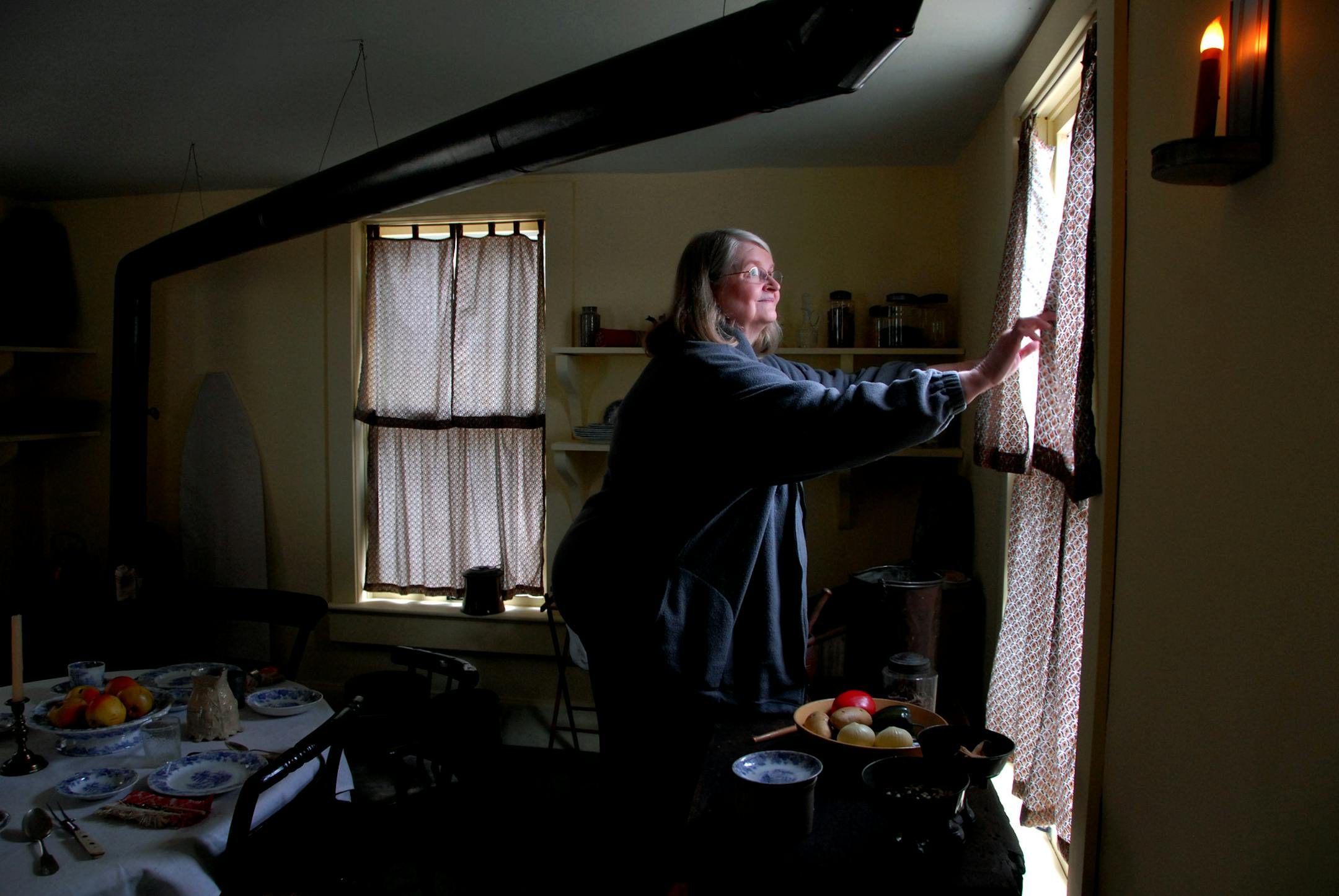
Downstairs, visitors were gentled left into the company parlor, but the family spent its time in the parlor to the right, with its day bed, work table and bookcase. Across the back of the house was the kitchen, with a stovepipe running the length of the room to warm it.
This was Louise Mayo's domain -- the place where laundry was washed, butter churned, candles made, chickens plucked, bread kneaded and the family fed. It's also the room where she probably stood bent in grief when in 1860, little Sarah, their third child, died in the house at 18 months. The following year, William James was born in one of the upstairs bedrooms.


