

Minnesotans now have a valuable new tool to help navigate an ongoing pandemic. They ought to make good use of it.
On Wednesday, a new statewide COVID-19 wastewater surveillance dashboard made its public debut, thanks to a conscientious collaboration led by the University of Minnesota Medical School. It's available online at z.umn.edu/ww_dashboard. What this means: Anyone can track regional levels of the COVID virus detected in sewage.
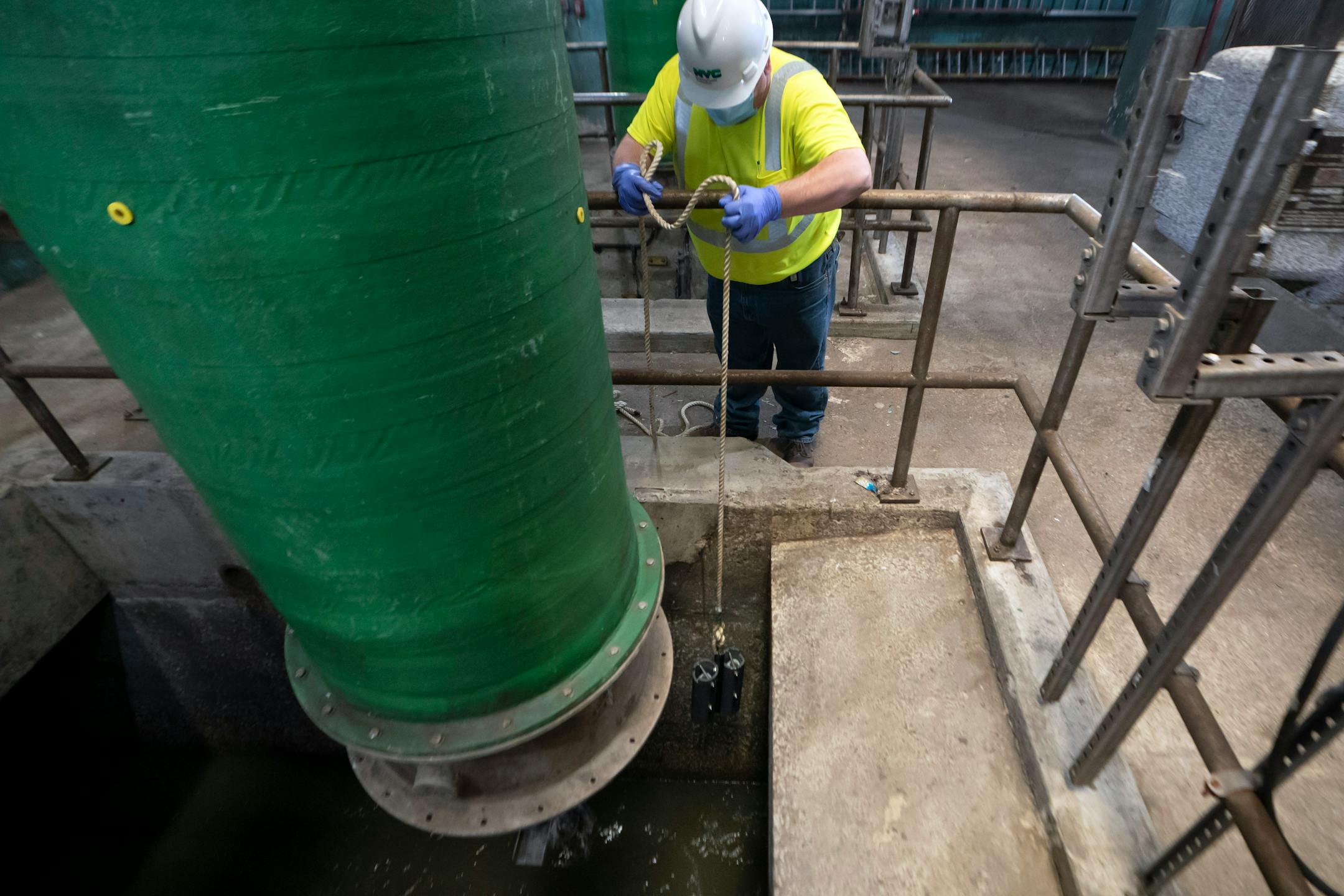
People infected with the COVID virus shed it when they use the toilet, an off-putting but useful fact. Measuring viral loads downstream where sewage is treated provides a pandemic weather vane. It can signal that viral transmission is increasing or decreasing in an area, "approximately two weeks before clinical cases show up in hospitals or clinics," according to the U.
That information can help medical providers and policymakers, enabling them to prepare earlier for COVID turbulence or alternatively loosen whatever mitigation measures are left. But the public can make good use of this, too, which is why the Star Tribune Editorial Board previously urged the U to make its wastewater surveillance data accessible.
Now that it's up and running, Minnesotans should use the new dashboard like a weather app. COVID isn't going away. While the latest wastewater data suggests the surge fueled by the omicron variant is rapidly declining across the state, other variants are likely. Viral spread among white-tailed deer, an animal reservoir in which variants threatening to humans could also evolve, underscores the need to keep our collective guard up.
Calculating individual risk for infection will be an ongoing part of life — just like the weather. The wastewater data, while it has limitations, can nevertheless help people make informed decisions.
For example, some may feel more confident about attending events in crowded indoor settings — high risk for transmission — if the latest wastewater data suggests low COVID prevalence. The opposite may happen if wastewater data is detecting increasingly high levels.
The Minnesota data comes from more than 40 treatment plants across the state, and data is provided for seven different regions within the state. The data will be regularly updated.


