

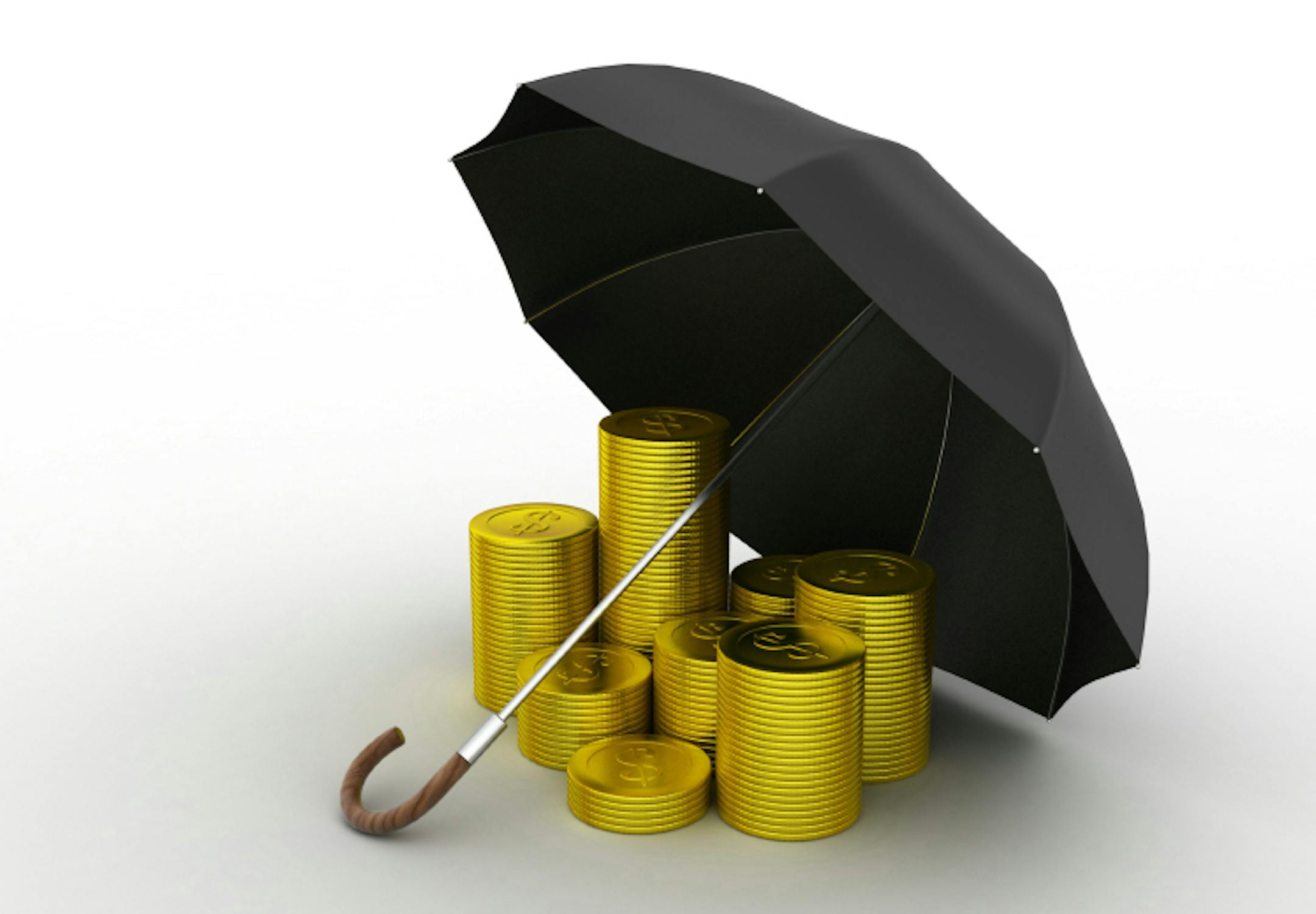
Minnesotans are a prudent lot who take risk management seriously. Many buy insurance on their lives and property. They should regard the newly enlarged state budget reserve fund in the same light, former state economist Tom Stinson says. It's akin to insurance, allowing government to stay functional when the economy stumbles and tax receipts fall.
That understanding runs deep enough at the 2014 Legislature to have propelled a wise move in the tax bill that Gov. Mark Dayton signed into law on March 22. The reserve fund, which had been capped at $653 million in 2001, was enlarged to $811 million, and a mechanism was established for it to grow in the future. (See accompanying text.)
But that move's critics have us worried that appreciation of the reserve's value does not run deep enough, particularly among minority party Republicans. Echoing former Gov. Jesse Ventura's winning theme in 1998, GOP legislators have launched a "give it back" campaign. They called for returning to taxpayers the entire $1.2 billion forecast surplus in the current biennium, via repeal of business sales taxes, federal income tax conformity and a 0.5 percent sales tax rate reduction.
That would leave the reserve fund for a nearly $40 billion biennial budget at $653 million, a level some Republicans suggested already represents "hoarding the people's money." Cushioning government against revenue downturns during recessions only encourages government spending, they said. It perpetuates government spending at a time when it should be cut.
That's a bit like claiming that one should not carry auto insurance because doing so invites reckless driving.
The notion that government spending ought to plummet when the economy does ignores the fact that "government services are needed more when the economy worsens," notes P. Jay Kiedrowski of the Humphrey School of Public Affairs. A former state finance commissioner, Kiedrowski co-chaired a major budget study that called in 2009 for boosting the state's reserve fund to $2.1 billion. (By comparison, the new reserve target for this biennium, as specified by the new tax bill, is $1.925 billion.)
State government services for the poor are in greater demand when recession hits. More people choose public education over private. Public safety and health costs rise. And cutting government payrolls while private sector jobs are being lost only exacerbates the economy's shrinkage.
Raising taxes during recession also works counter to recovery. An adequate reserve fund staves off both spending cuts and tax increases when an economic shock hits, and buys time for lawmakers to adjust the state budget to a "new normal."


