
A good first step toward protecting Minnesota kids

Legislature needs to follow through on a system overhaul.

December 16, 2014 at 12:33AM
Amy Martin/Detroit Free Press/TNS
Amy Martin/Detroit Free Press/TNS (The Minnesota Star Tribune)

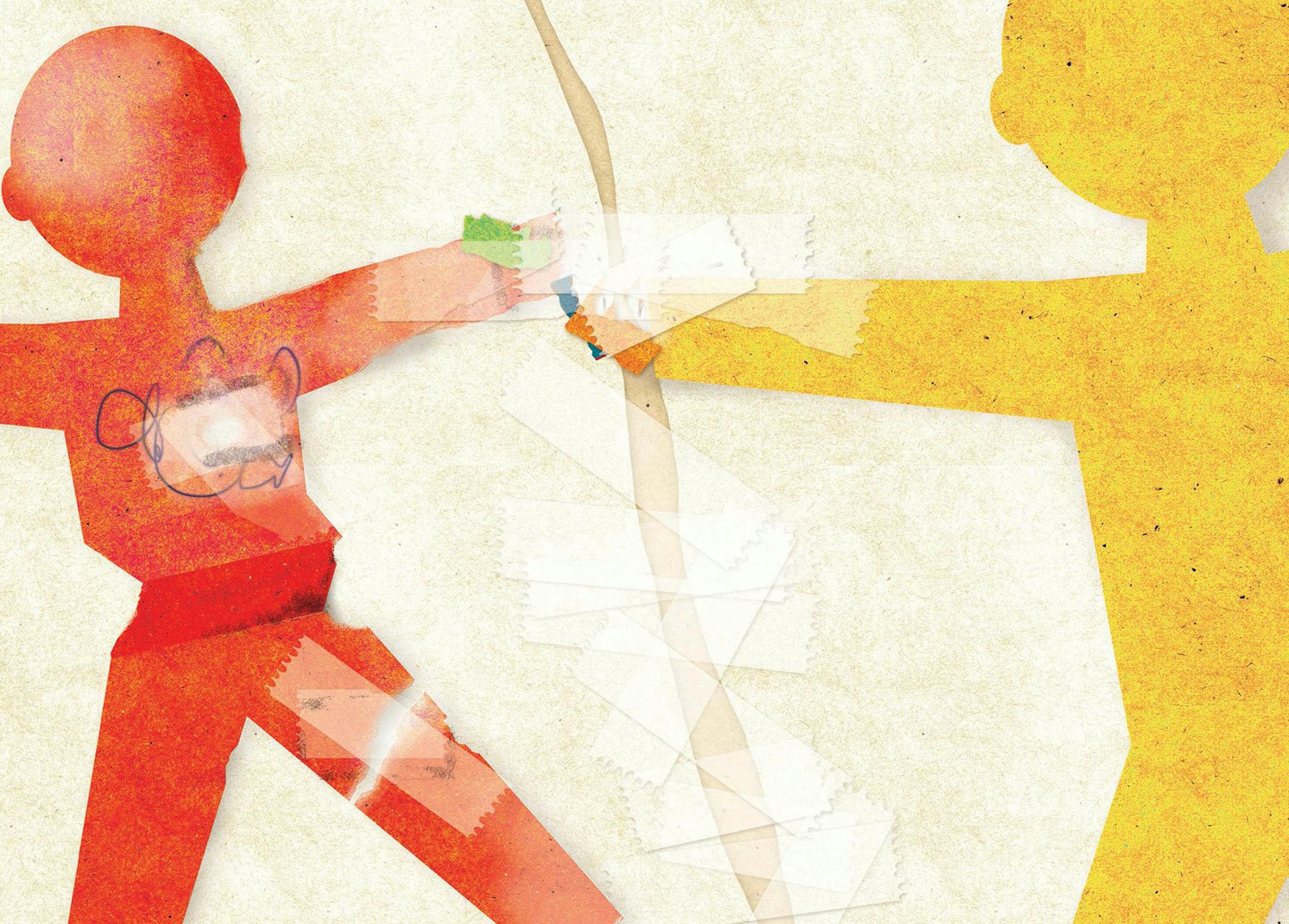
New task force recommendations on Minnesota's child protection system represent a strong initial step toward building a stronger safety net for kids.

A task force appointed by Gov. Mark Dayton in the wake of a series of stories by the Star Tribune's Brandon Stahl concluded that the system needs major reform. In a report released last week, the panel supported more than 30 changes that would include better training for social workers and more aggressive investigation of reported abuse.

It's encouraging that the recommendations call for fundamental changes — not simply tweaking the status quo. Especially noteworthy is the task force's acknowledgment that the state's current preference toward family engagement is "at times at odds with protecting children. We need to stop and readjust the pendulum."

It's that preference, as well as some state rules around abuse reports, that have at times failed children.

Stahl's August story about the brutal death of 4-year-old Eric Dean prompted public outrage. The boy was the subject of 15 reports to Pope County child protection, including for facial bruises and bite marks, before he was killed by his father's girlfriend last year. She is serving a life sentence for first-degree murder.

The task force was formed in September, and it spent weeks hearing testimony from numerous child advocates. Their message was that little Eric was not the only case in which numerous red flags of abuse were ignored. Advocates said the system too often fails abused kids, and Eric was one of more than 100 Minnesota kids estimated to have died from abuse since 2005.

Though the panel unanimously supported many changes, members did not reach consensus about reforming the controversial family assessment approach in which some abuse reports are not investigated based on the hope that parents and other family members will be willing to work with county staff to correct problems. Under that strategy, families have the option of rejecting services, which can result in cases being closed.

Originally, the family assessment method was intended to try to keep families together in less serious cases. But, as Stahl reported, it has expanded to become the primary method of child protection in the state — even in cases where children were beaten, severely neglected and even sexually abused. The task force concluded Friday that its use "has grown beyond what statute allows."

Minnesota also has one of the highest national rates of screening out abuse reports, meaning that child protection does not provide services. That's one of several good reasons why the state should make it harder for counties to close a case when parents are not cooperating.

The task force rightly suggests asking the Legislature in January to immediately repeal a law pushed by the state Department of Human Services (DHS) and passed this year that prohibits social workers from taking into account rejected abuse reports when considering what to do with a new one. The panel acknowledged that past reports should be considered. It also recommended that social workers should be allowed to get information from other sources in considering responses to abuse allegations — a practice that's currently prohibited.

When the task force was created, Dayton also recognized the need to make changes more quickly. So at that time, he directed the DHS to immediately take steps to improve child safety and accountability within the system.

Those actions included setting up a rapid consultation system staffed by state and county specialists to advise child protection staff as they do their work. And the DHS began monthly random reviews of initial choices county staff make about whether to investigate allegations of child abuse.

Task force members got a good start on fixing the weaknesses in the state system, but there's more work to be done. Many of the reforms likely will require more funding, given that state and county spending on child protection has dropped by more than $41 million since 2002.

Minnesotans who were horrified by the abuse cases reported by Stahl should let their legislators know that bolstering the child protection system in Minnesota should be a bipartisan priority for the 2015 legislative session.

about the writer

about the writer

Editorial Board

See Moreicon

More from No Section

See More
FILE -- A rent deposit slot at an apartment complex in Tucker, Ga., on July 21, 2020. As an eviction crisis has seemed increasingly likely this summer, everyone in the housing market has made the same plea to Washington: Send money — lots of it — that would keep renters in their homes and landlords afloat. (Melissa Golden/The New York Times) ORG XMIT: XNYT58
Melissa Golden/The New York Times

It’s too soon to tell how much the immigration crackdown is to blame.