

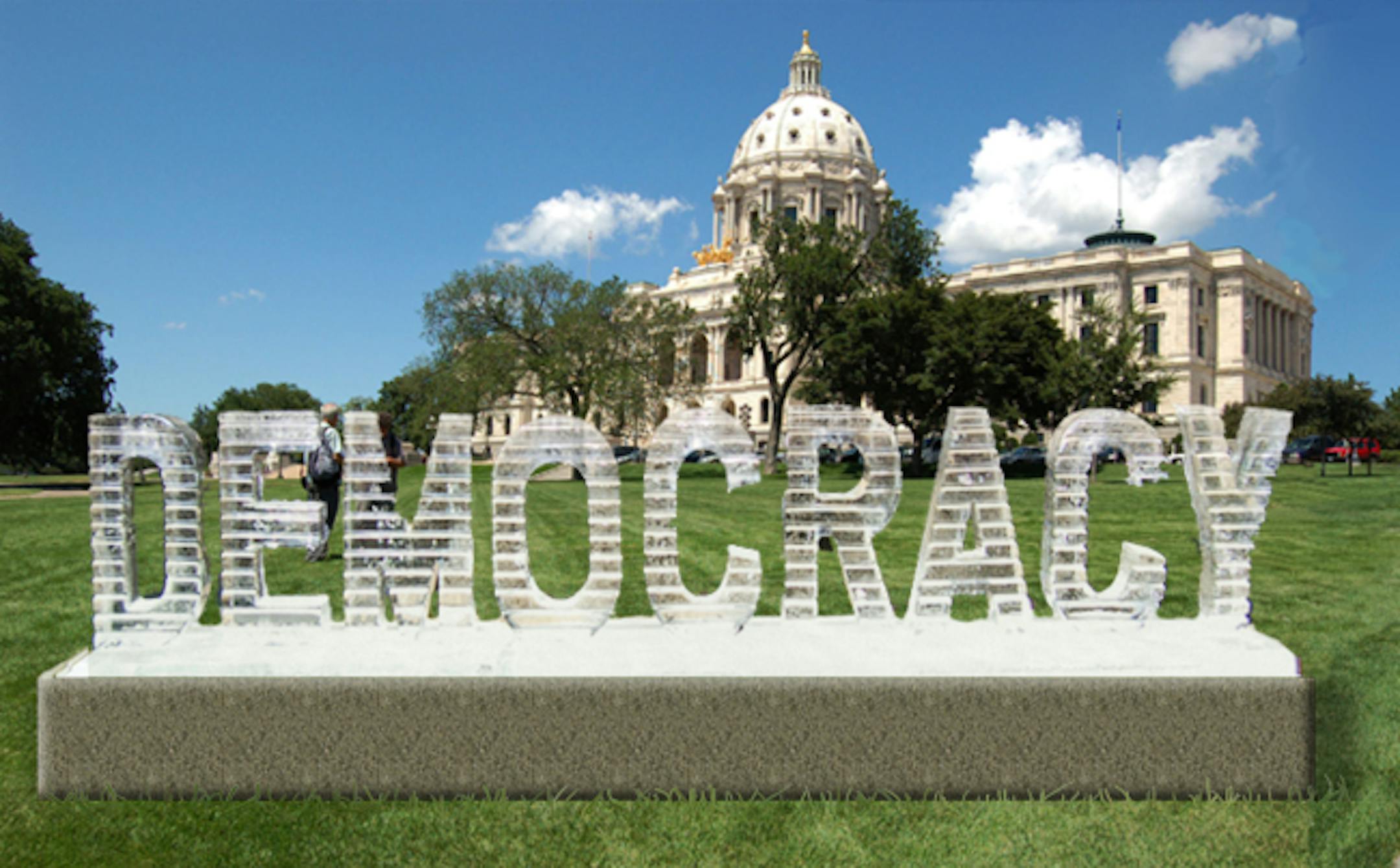
Since it was established as a federal holiday in 1986, the Martin Luther King Jr. holiday has properly become a time to look back on the civil rights movement and assess the state of race relations in our country.
But there is another dimension to the holiday. The day set aside to honor King reminds us that in a democracy, ordinary citizens ought to be able to encourage or inspire important change, even when they hold no formal political power.
King was one of the most influential Americans in our nation's history. Yet unlike so many others we honor, he never served as an elected official, never led a government institution, never directed troops in battle.
He and the activists he rallied and marched with embodied the true spirit of democracy -- that someone need not be part of government in order to direct government.
Indeed, while King will always remain the leading symbol of the civil rights movement, we must remember that its accomplishments and glory belong to thousands of Americans who marched, staged sit-ins, knocked on doors and rallied for change.
Ultimately, millions of Americans responded to the movement and cemented its changes by voting differently or changing their private behavior.
That kind of sweeping political change from below is an element of our democracy that Americans can be proud of, yet even the most patriotic citizens can overlook it, particularly as we work our way through the lengthiest and most expensive presidential campaign in our history.
The coverage of the campaign will emphasize the role of representatives and elections, but for many of the greatest changes in our history -- including ending slavery and expanding the right to vote -- elected leaders were late to the party.


