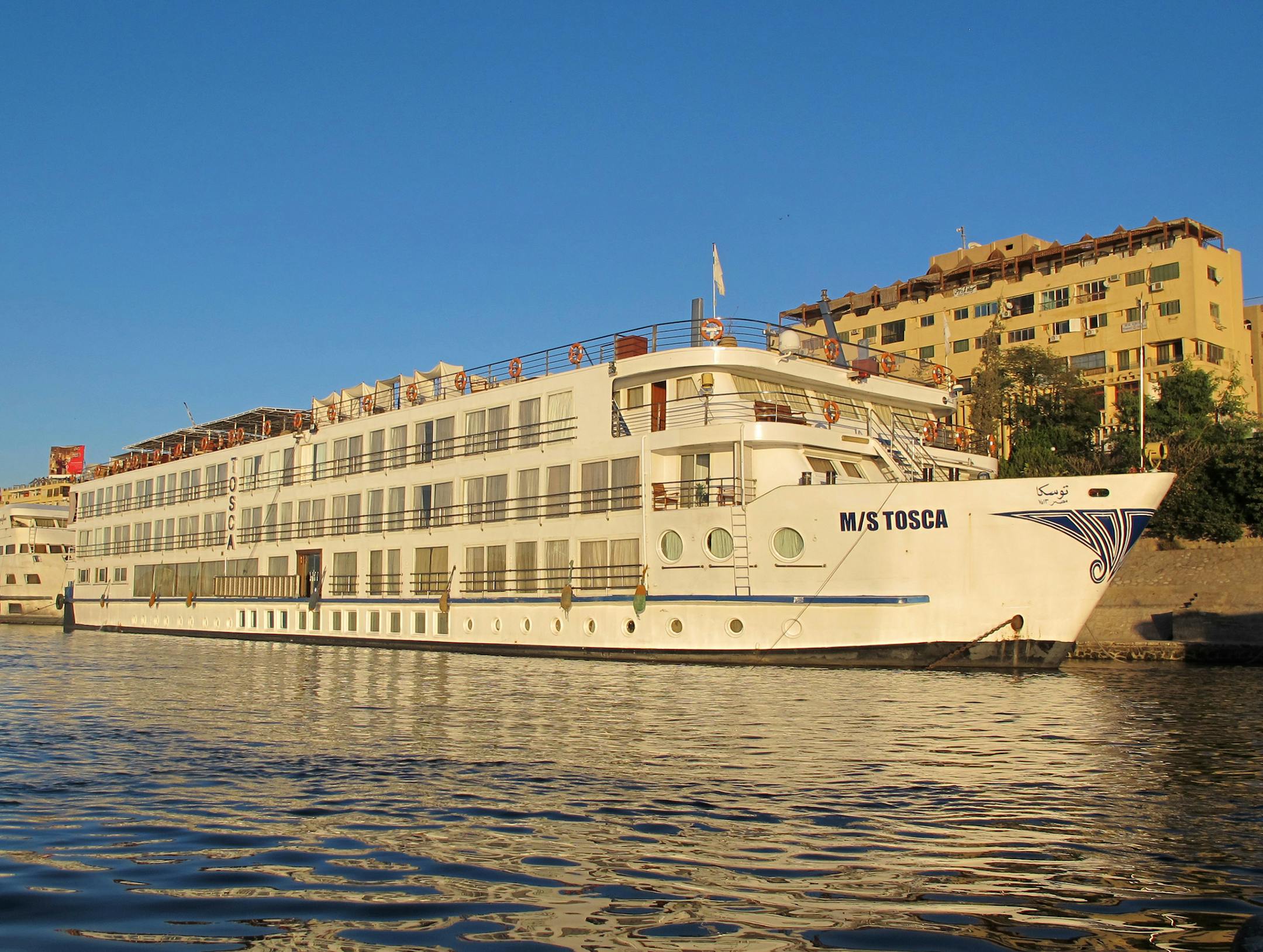
On the top deck of the cruise ship River Tosca, the swimming pool was cool and inviting in the afternoon heat. Below, the fabled Nile River was wide and blue and calm. Palm trees dotted the shoreline where farm animals grazed.
And I had the deck of the 236-foot ship all to myself.
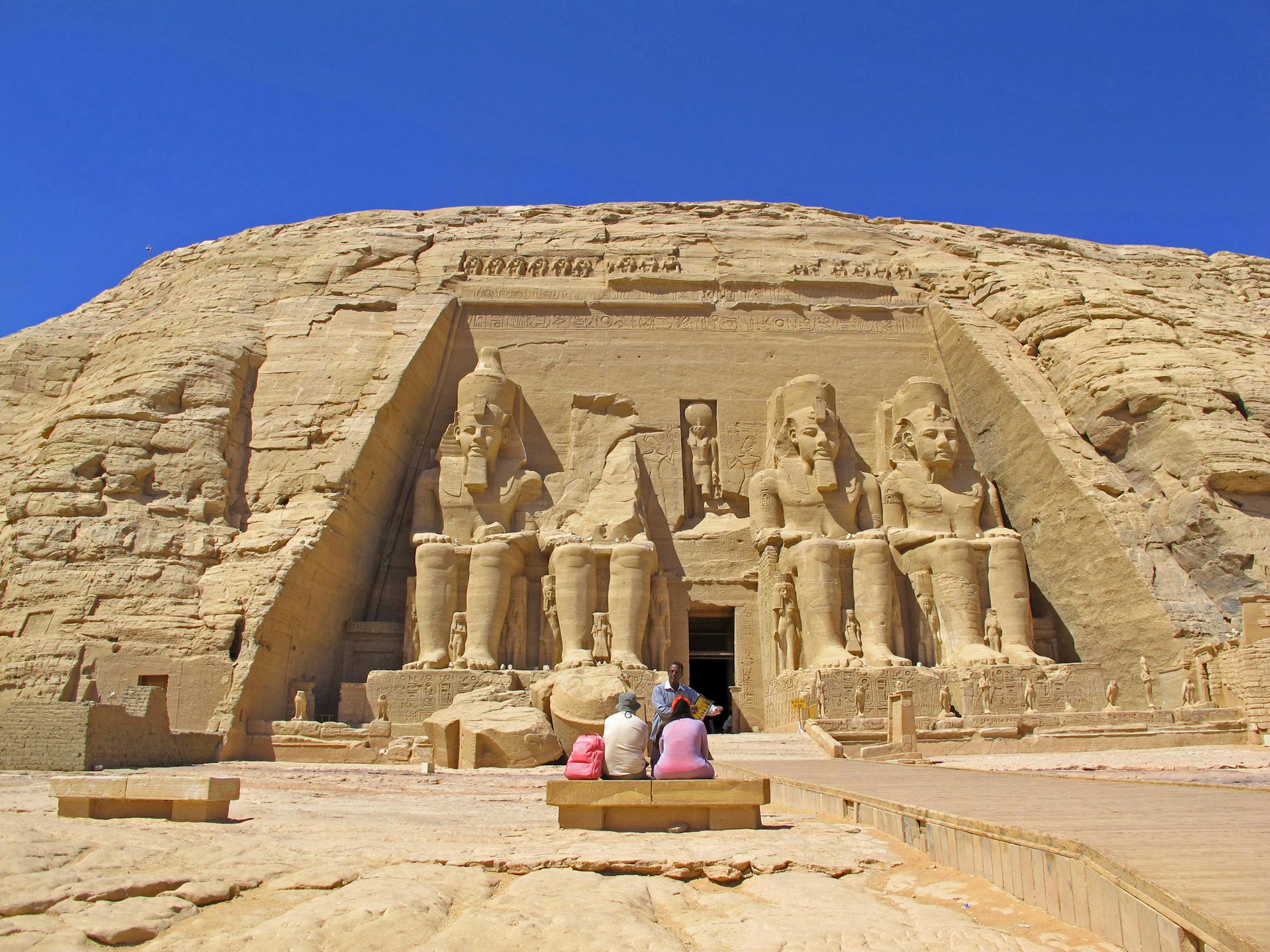
That's emblematic of cruising the Nile in a time when Egypt's tourist industry has been decimated by fears that the turmoil of 2011's Arab Spring lingers. The ship, designed to carry 82, had only 16 passengers for a week's journey in late February. We enjoyed hand-and-foot service and had no crowds to fight as we strolled through some of the most famous and spectacular remains of the land of pharaohs.
Beth Misakonis and her husband, Leo, retired information technology professionals from Mechanicsburg, Pa., decided 2016 was the year for them to rebook their Egyptian cruise that was canceled during the Arab Spring protests. Friends and relatives urged them not to go. But Beth noted that mass shootings happen in the U.S. "I think there are risks anywhere and everywhere," she said. Added Leo, "It's always been on our bucket list."
A river cruise isn't always the best way to see a country's highlights, but it works perfectly for Egypt. The Nile's valley is Egypt's heartland and breadbasket, and the river itself is the main highway of Egyptian history, from Cairo in the north to Luxor, Aswan and Abu Simbel in the south. It's a tour where your clean, cool, spacious hotel room follows you from place to place, with no luggage to haul.
Today's Egypt seemed a calm enough place when we visited. The country's military-led regime overthrew an elected Islamist government in 2013 and has since cracked down brutally on all forms of dissent, including the Muslim Brotherhood, the main Islamic social-political movement. The U.S. State Department currently has no official travel warnings or alerts for Egypt, but it tells U.S. citizens to remain alert to local security developments, and notes that terrorist organizations are known to be operating in Egypt. For complete details, go to travel.state.gov.
Our small group with Uniworld river cruise line — all but two of us Americans — was often discreetly accompanied by armed guards. Whether that made us feel safer is up for debate, but no one in the group seemed concerned about our security, except perhaps when approached by locals desperate to sell us souvenirs. That wasn't always pleasant, but given the tourism decline it's easy to understand. A firm "la shukran" (no, thank you) was usually enough to turn them away.
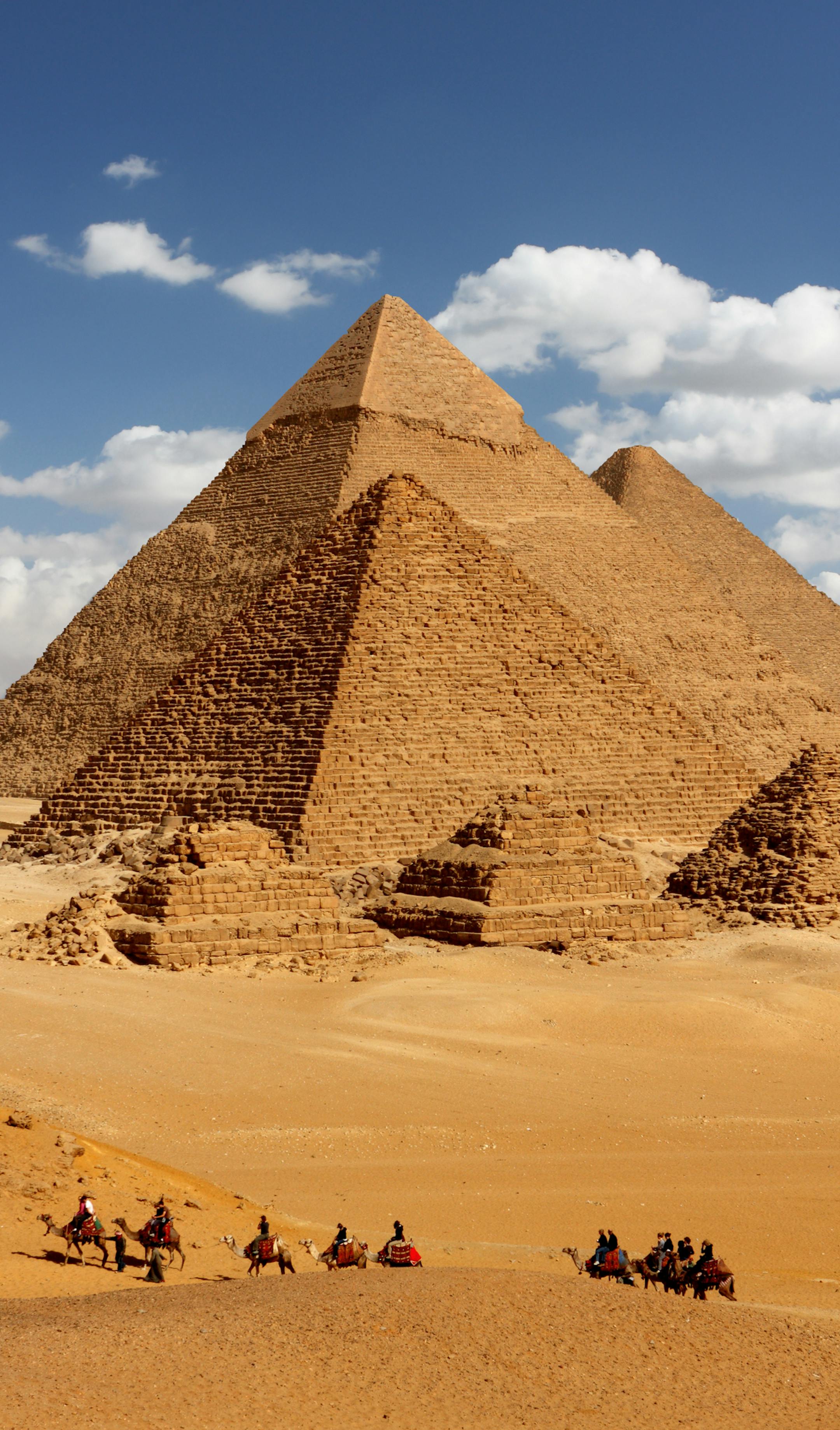
The itinerary began and ended in Cairo, where the Four Seasons Hotel was our refuge in the sprawling, chaotic, dusty metropolis. We spent a full day at the beginning of the tour, and another at the end, in Cairo, at the same hotel. On the first day we saw the Egyptian Museum and Tahrir Square; on the last, we visited the pyramids.