

A member of Mount Zion Temple in St. Paul sought the rabbi's advice about a problem employee.
The employee's shoddy work was costing the company money and she should be fired. But then she would lose her health insurance, and she and her husband would have trouble finding other coverage because of their poor health.
What should the supervisor do? Keep her on the job and put the company at risk, or fire her and put her and her husband at risk?
As the health care debate grinds through Congress, Rabbi Adam Spilker and other Twin Cities clergy are increasingly finding themselves on the front lines, pushed to define the moral imperative of health care and what services America should provide for its people.
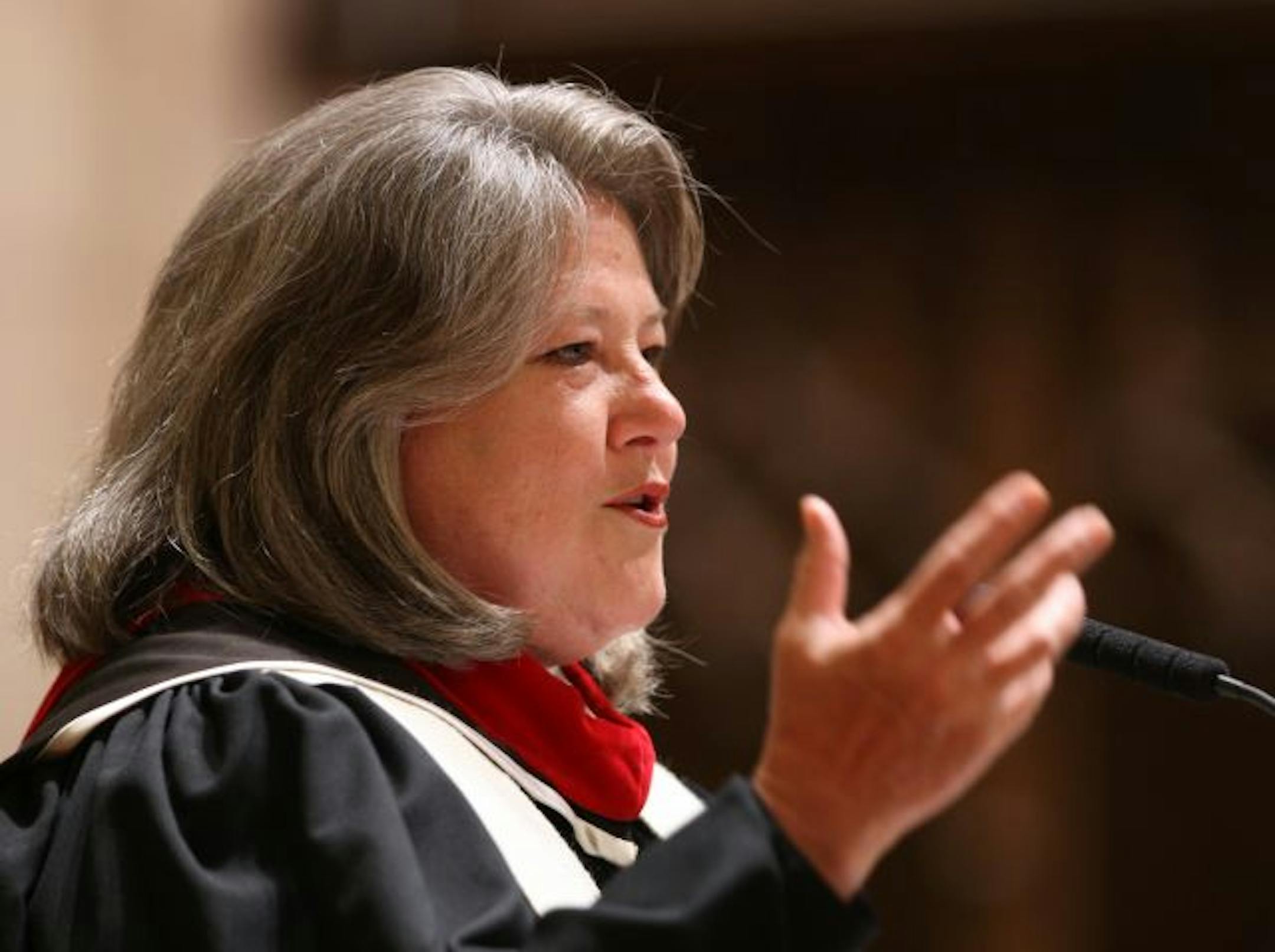
"We all think that it is a moral issue," the Rev. Peg Chemberlin, executive director of the Minnesota Council of Churches and president-elect of the National Council of Churches, told a recent convention of religion reporters. "But when it comes to promoting a particular political agenda, that's not our role."
Playing politics
From the Christian parable about the Good Samaritan to the Jewish practice of mitzvah, every major religion has a tenet about caring for those who need help. While most religious leaders consider health care to fall under that category, they differ on what action is required.
Rather than take a specific position, Bishop Sally Dyck of the Minnesota Conference of the United Methodist Church sent a letter last month encouraging member churches to host forums exploring the health care issue in depth. "Like at election times, a partisan approach is not appropriate," she said. "Our place is to educate people about the issues."


