ST. LOUIS – The white casket is low enough for most of Jamyla elementary school classmates to gaze directly into the face of their friend, her eyes closed, her lashes long. An angel adorns the interior satin lid. A message beneath it reads, "You shall fly with new wings."
The children have come to the wake to say goodbye to Jamyla, a fellow fourth-grader at Koch Elementary School who had been shot through a window as she completed her homework on her mother's bed.
Destiny Sonnier, 9, cannot look at her friend's body. "I would tell her all of my secrets and everything," Destiny said.
Akeelah Kelly, 8, had played outside with Jamyla hours before she was killed. Now, she approaches the casket, quietly and steadfast. But when she returns home, she cries.
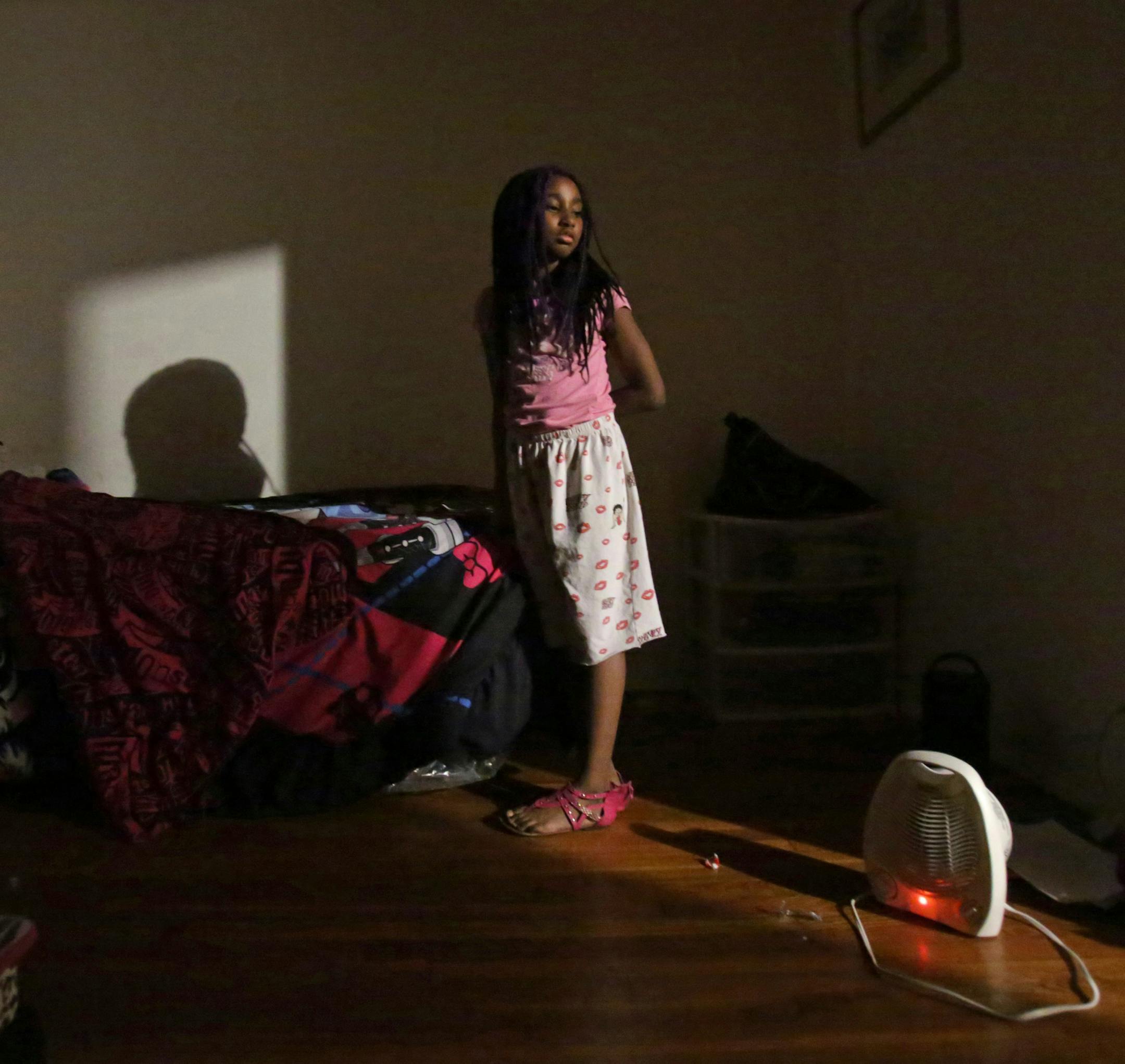
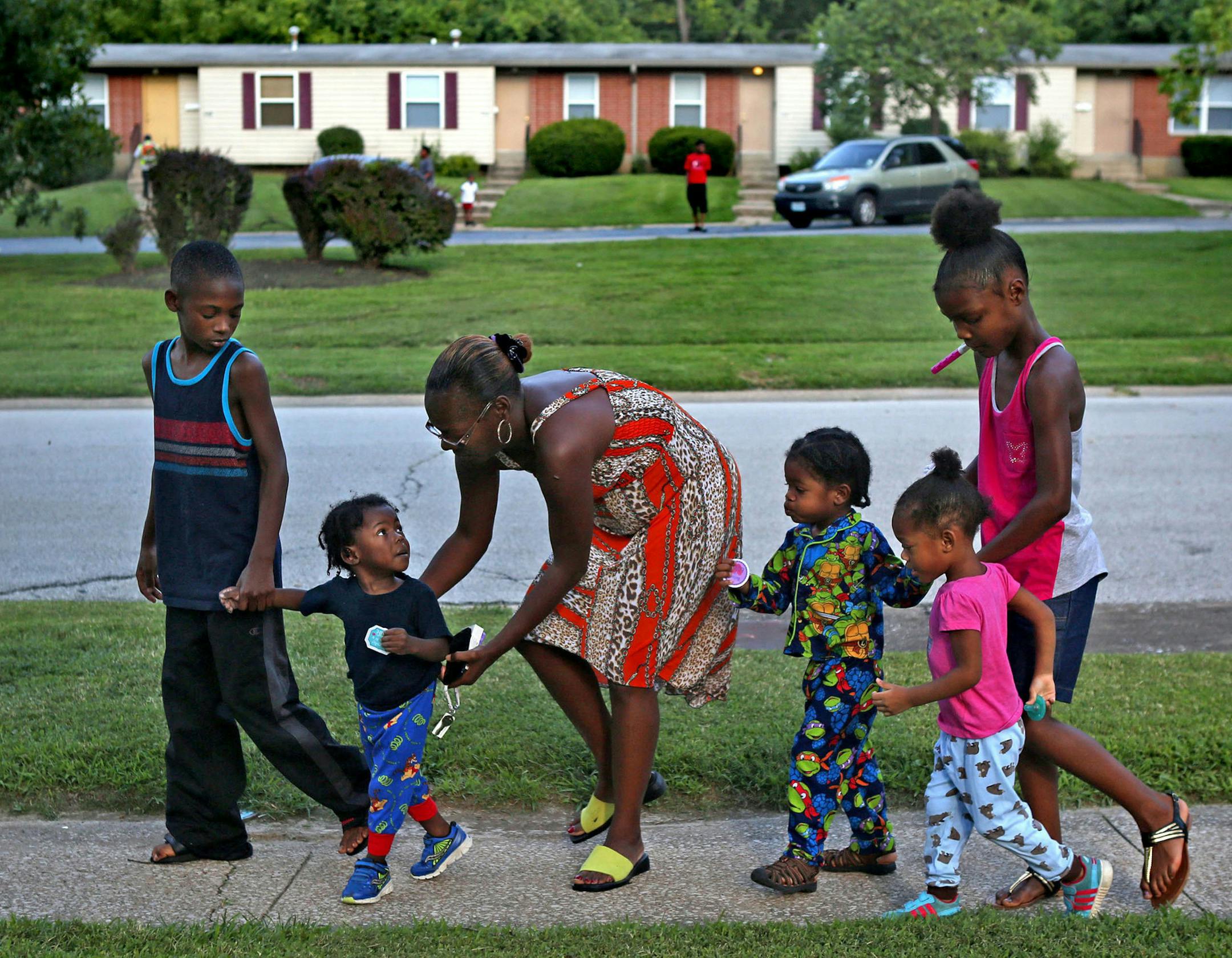
Jamyla had lived in a low-income Ferguson neighborhood filled with young children and endless stress — from gun violence and poverty that overwhelms their parents with debt and contributes to housing and transportation problems. Their family histories include sexual abuse, domestic violence, incarceration and foster care.
It has long been known that growing up in impoverished and dangerous neighborhoods dims life prospects. But now a commanding body of medical research presents a disturbing, biological picture of why. It suggests that the stress itself — if left unchecked — is physically toxic to child development and health.
Brain imaging, biochemical tests, genetic testing and psychiatric trials show toxic stress ravages growing children — inviting maladies such as asthma, obesity, heart disease, high blood pressure, diabetes, kidney disease and stroke in adulthood.
When children don't get a break from the stress — when adults can't or don't know how to shield their children from it — their developing bodies go on a stress hormone production binge that can alter typical gene expression within their DNA. In some cases, parts of their brains are smaller and their chromosomes shorten.