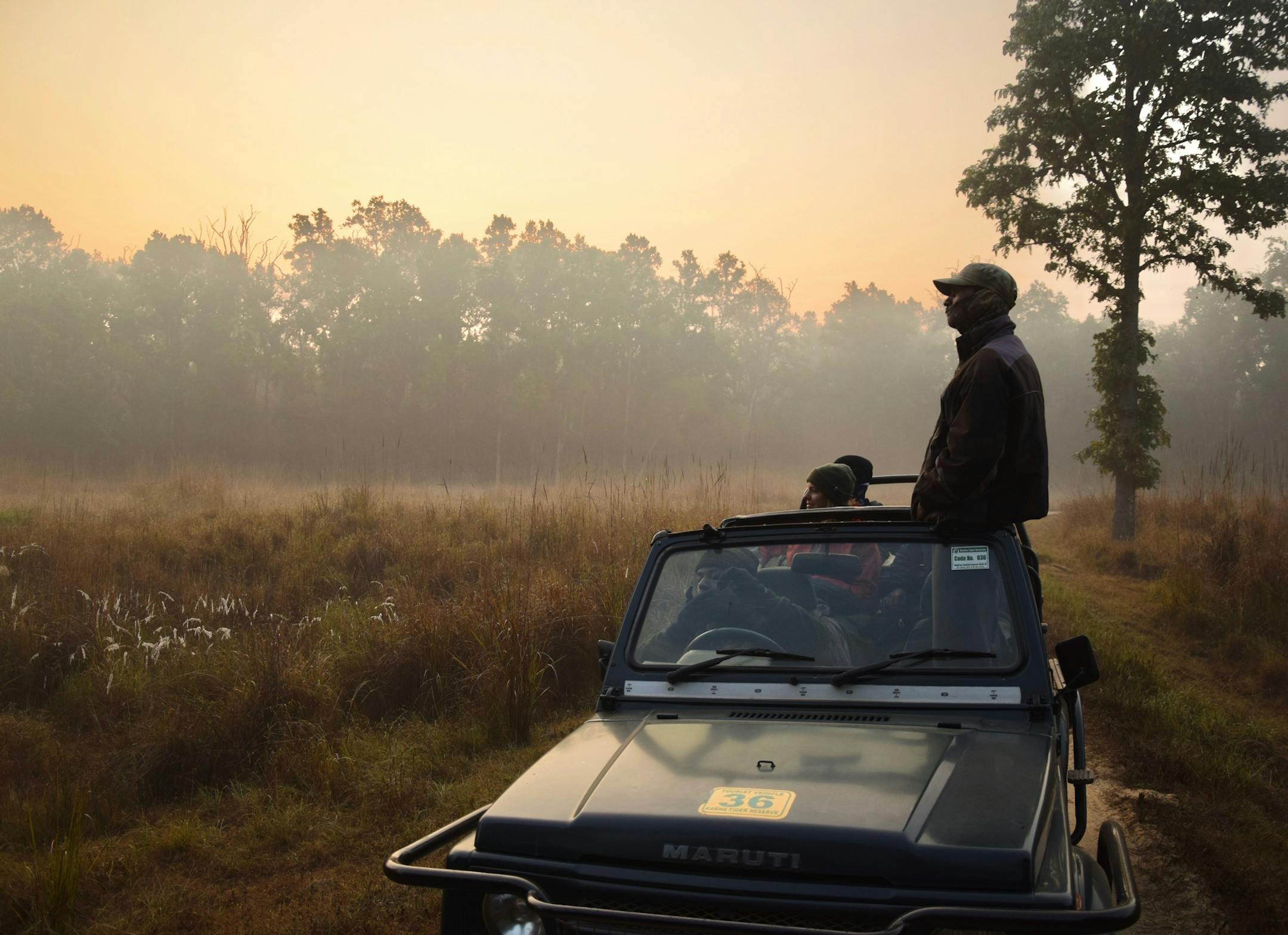
I'm swaddled in a mess of blankets to fight the predawn chill as I bump down the dusty dirt roads of India's Kanha National Park in an open-air safari jeep.
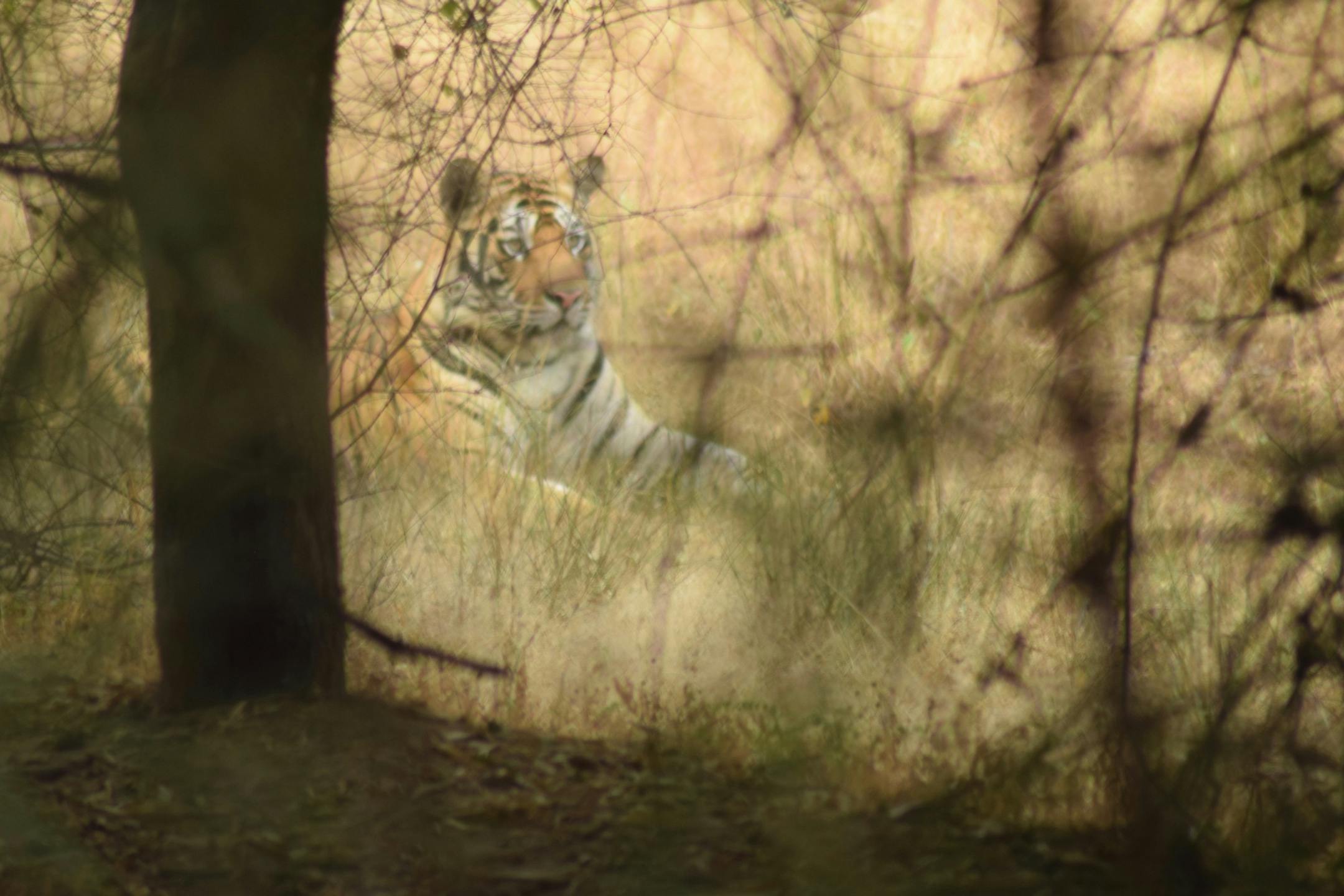
My guide, Prabhat Verma of PureQuest Adventures, is brimming with optimism. But it's my third trip past the park's green gates, and I've yet to lock eyes with the creature I flew halfway around the world to meet.
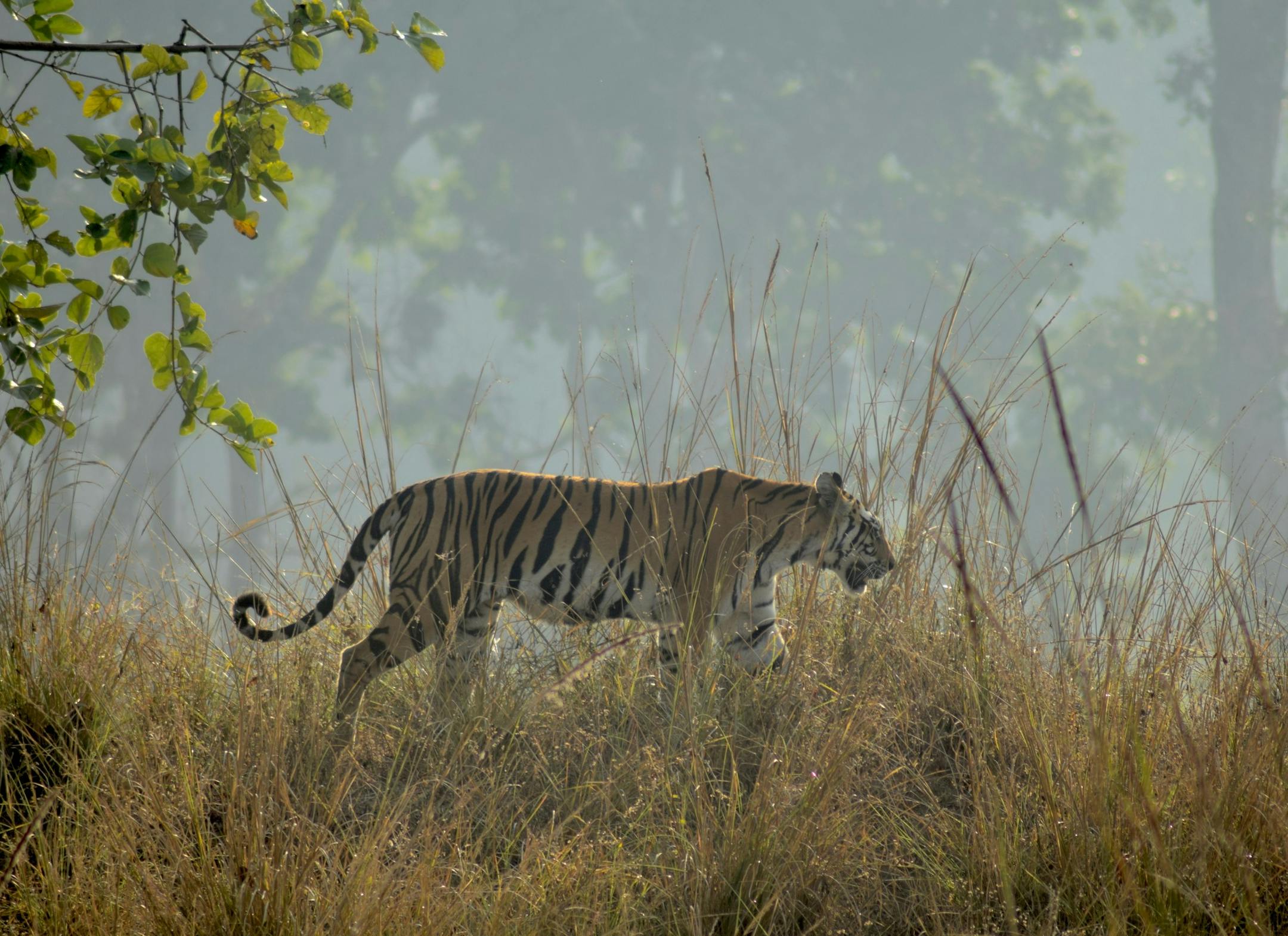
You can go to Africa for cheetahs or lions, but for Bengal tigers, your best bet is the wildlife reserves at the heart of the Indian subcontinent in the so-called "Tiger State" of Madhya Pradesh. Somewhere up ahead are nearly 100 of these regal cats, which prowl 360 square miles of pristine Indian wilderness. Even so, there are no guarantees I'll see one.
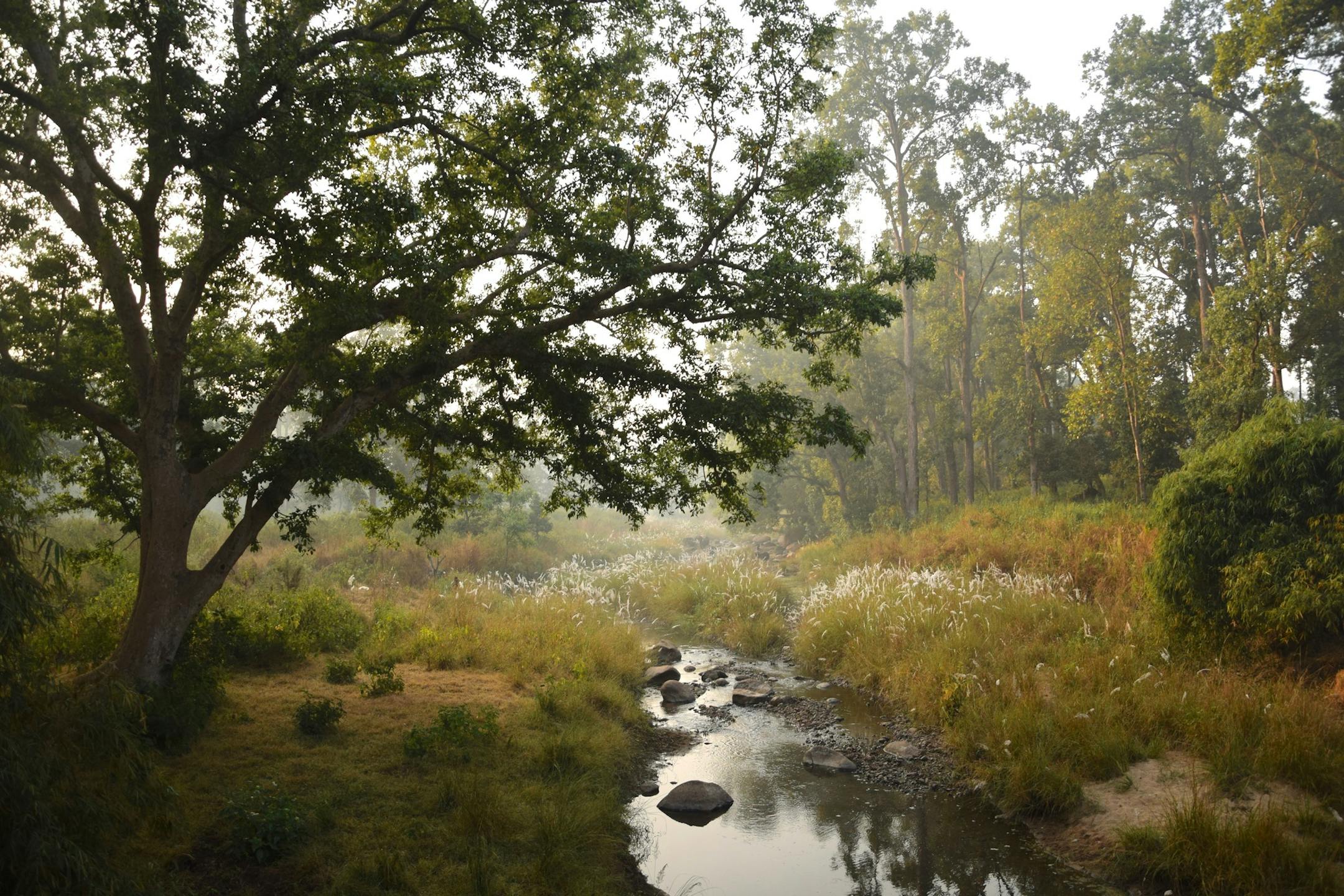
Straddling the Maikal Hills of the Satpura Range, Kanha is a vast landscape of sal tree forests and wide-open savannas that's a four-hour drive from the nearest airport in the diminutive regional capital of Raipur.
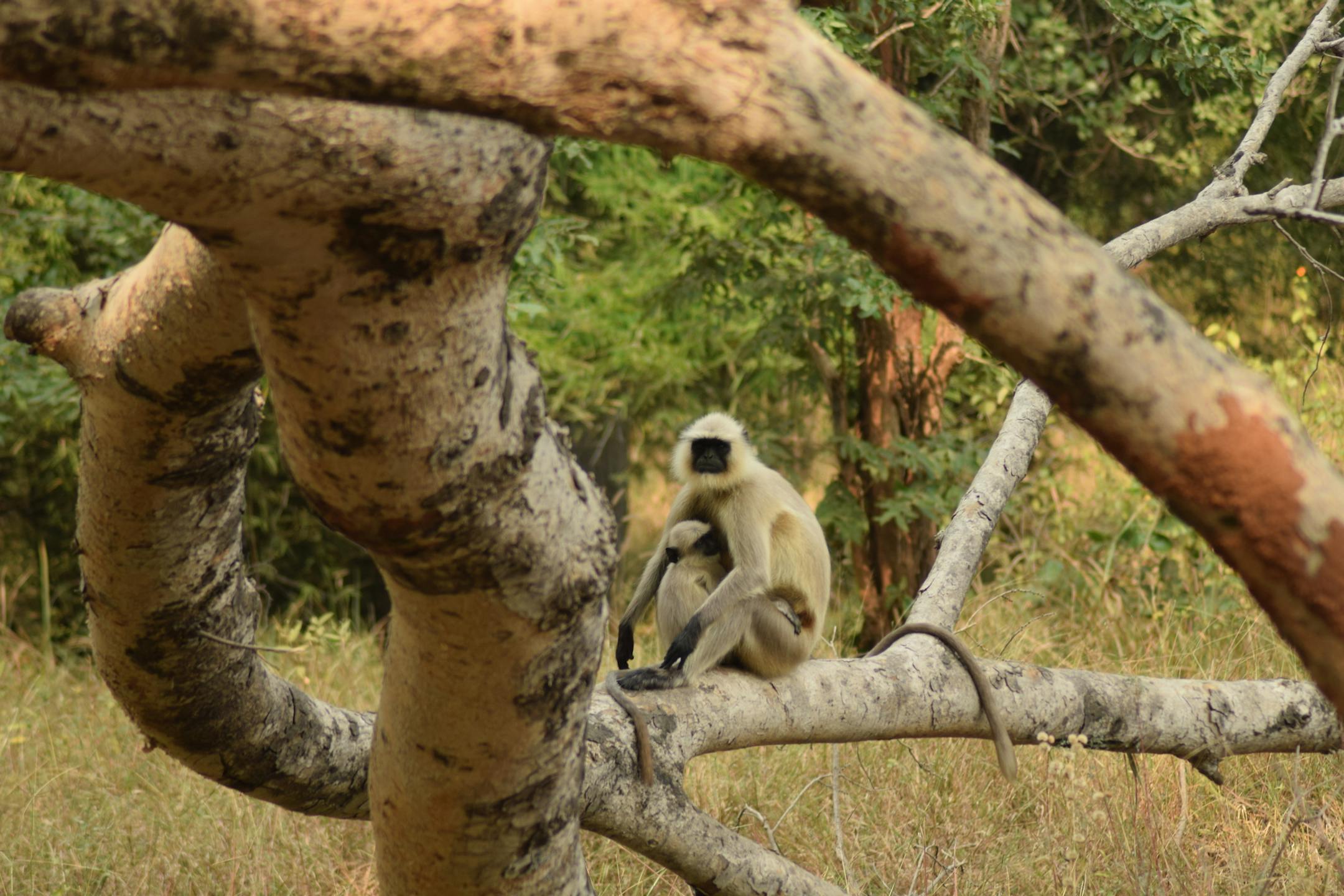
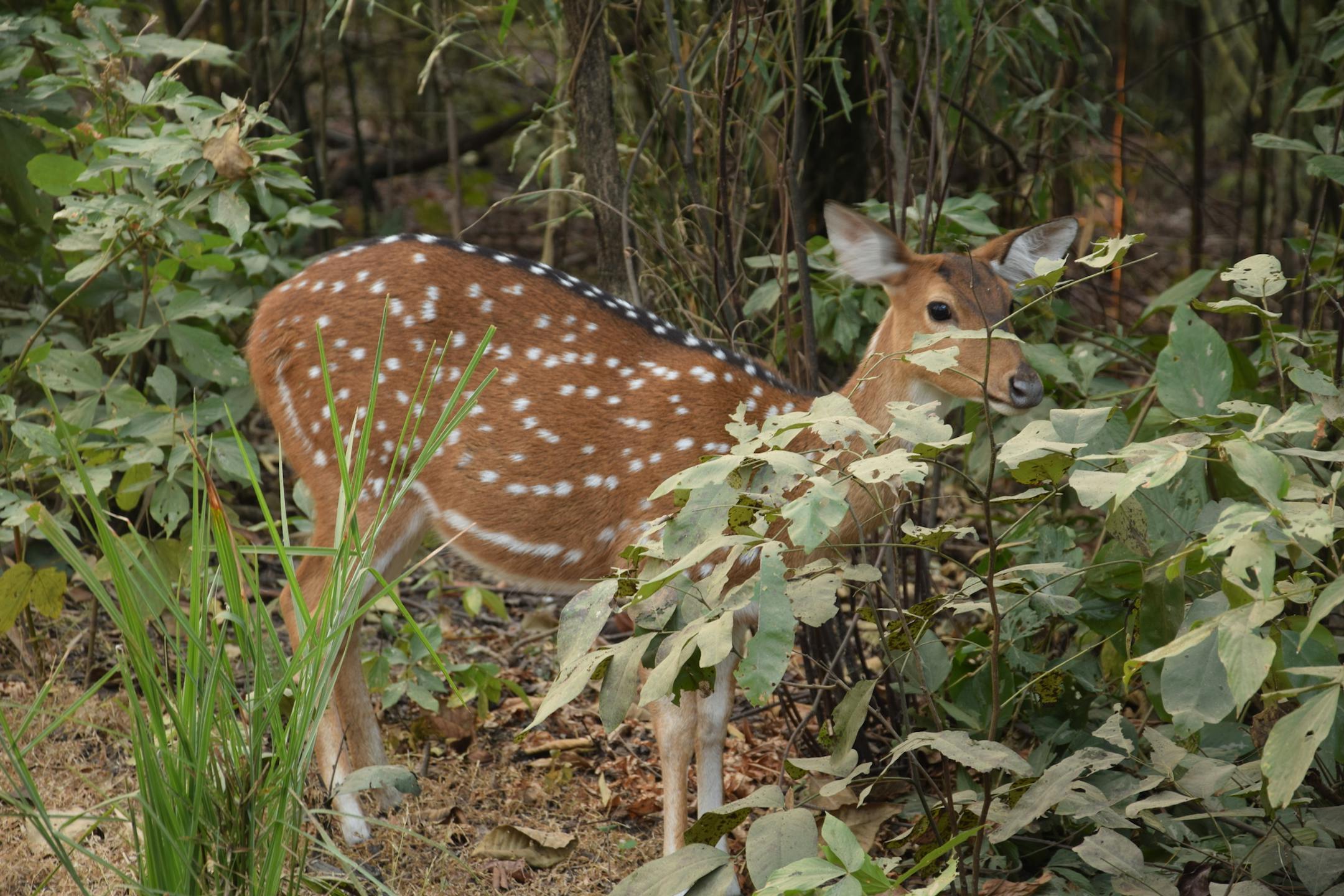
On morning and afternoon safaris the day before, we followed fresh tiger tracks in the park's talc-soft dirt to dead ends. The spotter in my safari jeep flicked his binoculars left and right, though his ears were doing the real work. He heeded the warning calls of langur monkeys (who scan the perimeter from treetops) and spotted deer (who smell tigers from a mile away) — all to no avail.
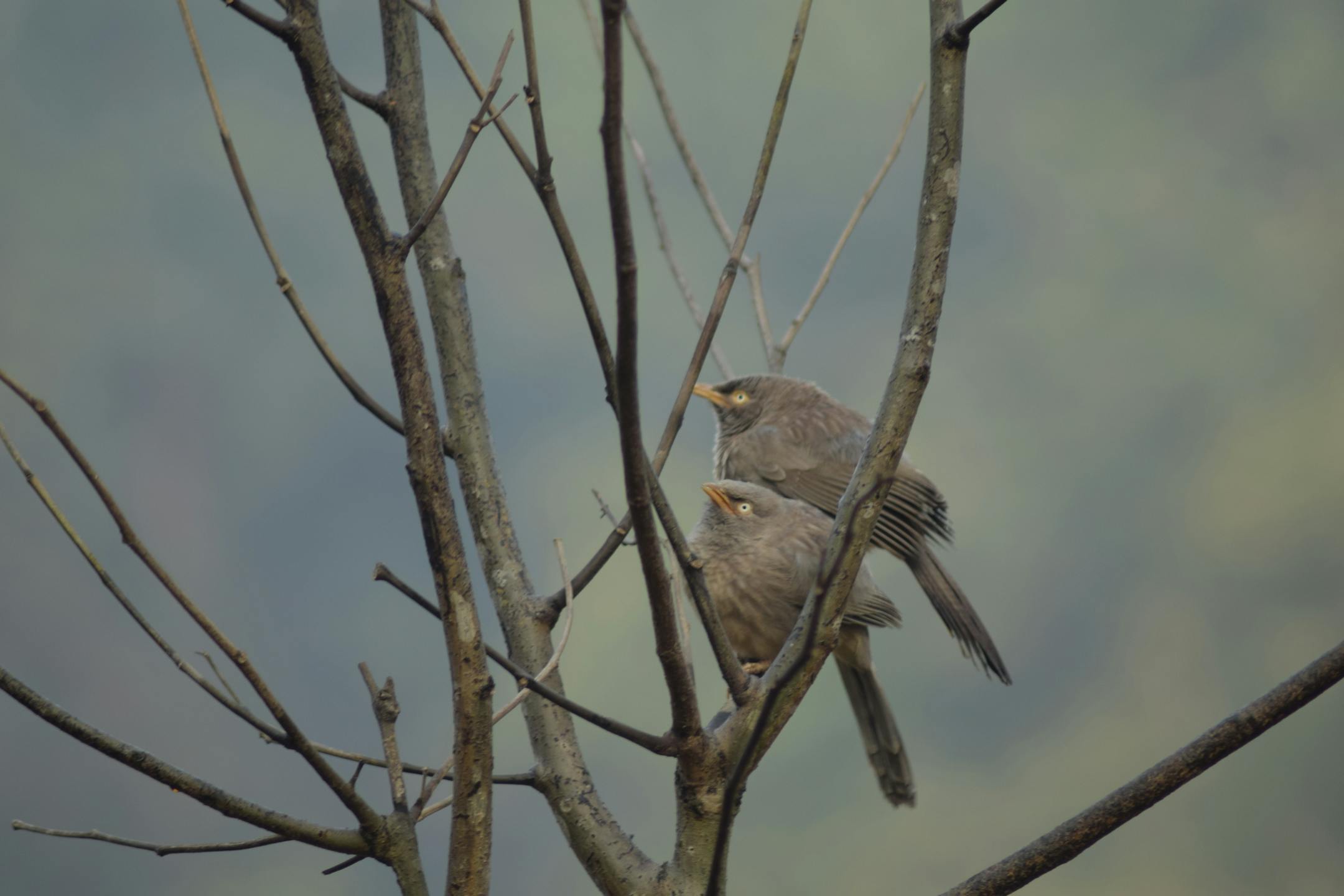
We've seen some peacocks ambling through the woods, a pair of jackals racing down a meadow and a rare barasingha swamp deer hiding in the brush. We've photographed a menagerie of colorful kingfishers and watched termites build sandcastle-like mounds out of the burnt-orange earth. I know deep down this ought to make me happy, that all animals should carry equal clout. But the tiger is such a rare beast; it would be cruel not to get at least one glance at its striped orange robe.
According to the World Wildlife Fund, only about 3,890 tigers are left in the wild. India is home to 70 percent of them, and its role in ensuring the big cat's survival can't be overstated. Tiger numbers in India are believed to have dropped from about 40,000 at the beginning of the 19th century to just 1,800 in the early 1970s, when India launched the conservation program Project Tiger.
Kanha was one of the original nine reserves set up under that program (there are now 50), and I've come here to witness a rare good news story in global conservation. Preliminary results of India's latest tiger census suggest that the nation's tiger population will rise from 2,226 in 2014 to more than 3,000 in 2019.