NORWICH, VT. – For a bread baker, Irish or not, there may be no better place to be with St. Patrick's Day approaching than the King Arthur Flour Baking Education Center, in the heart of the Green Mountains, and a class on Irish bread.
I'd always been curious about how a famous flour company — the Temple of Gluten — came to be located in northern New England, far from any wheat fields.
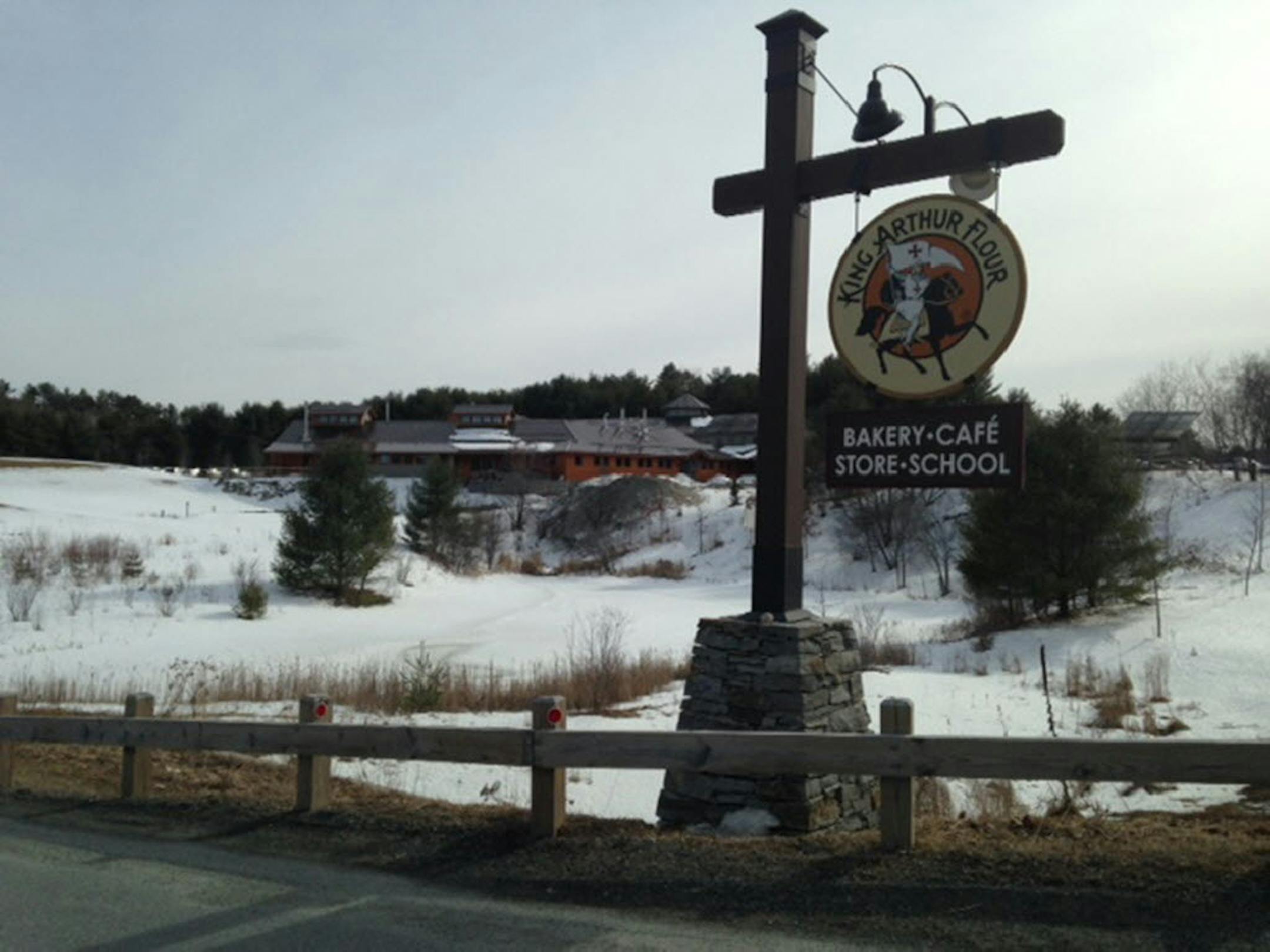
Despite its fame — and because billboards are banned along Vermont highways — the King Arthur headquarters is a not-easily-spotted cluster of contemporary, low-rise buildings, a few miles north of White River Junction, Vt. The floury campus includes a large gift shop, a superb cafeteria-style restaurant, a spectator-friendly commercial kitchen and the main attraction, the Baking Education Center.
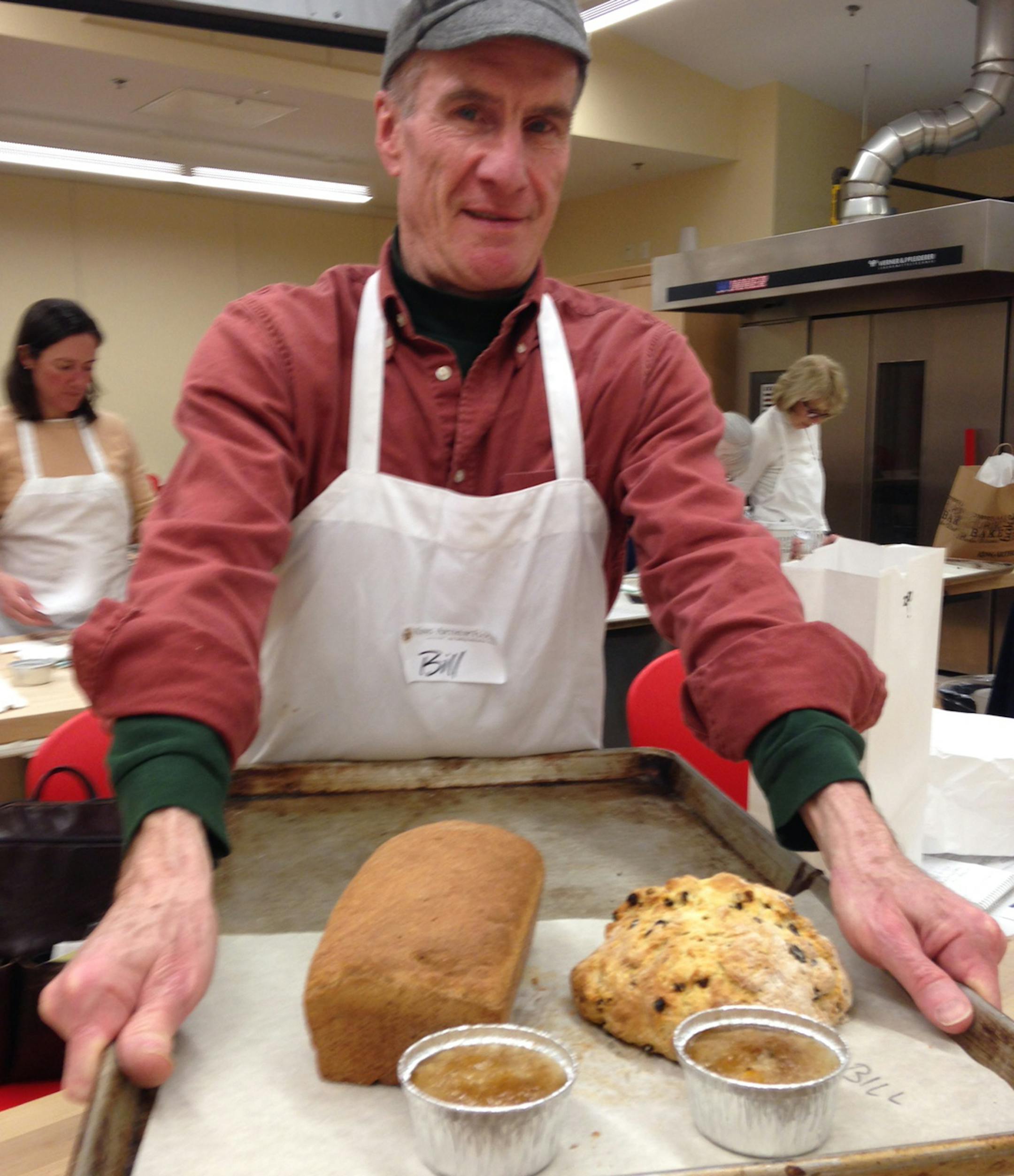
Evening sun streamed through windows into the classroom — part kitchen, part lecture hall — as 12 of us sidled into our places. The class included two women from Texas, two from Connecticut — one whose mother had grown up in County Tyrone, in Northern Ireland — and one other man, with his daughter, who'd just returned from living in Ireland. We were to make a brown bread, a soda bread and a clever little treat called Oatmeal Brûlée, all in three hours.
I probably doubled my baking knowledge in the short time with instructor Karen Ogrinc, a former speech pathologist turned professional baker. I learned how to measure flour accurately ("Fluff! Sprinkle! Sweep!"), how to keep track of what dry ingredients I'd included (spoon them down the side of the bowl on top of the flour before mixing, so you can see them), and how to mix soda bread dough so it's not too dry and crumbly (scrape/pull it up the side of the bowl, letting the excess flour fall to the bottom).
I also learned that I should probably toss out that baking powder I bought when I moved into my house 17 years ago. (Six months is about the limit.)
The walk-in ovens, which Ogrinc called the "Hansel and Gretel ovens," were fully heated as class began. That was because the first bread we made, a brown bread made almost entirely with whole wheat flour, was actually a batter bread that required no kneading. It rose and was ready to bake in about an hour.
Brown bread, an Irish classic, is a product of World War II rationing, when white flour wasn't readily available. I'd encountered it on a trip to Ireland about 15 years ago, and recalled it as a coarse and heavy loaf, more dutiful than flavorful, and probably, I'd thought, the product of several kneadings and an overnight rise.