95 things you never knew about Martin Luther, who took on the Catholic Church and won

Facts about Luther that will blow your mind.

December 9, 2016 at 6:47PM
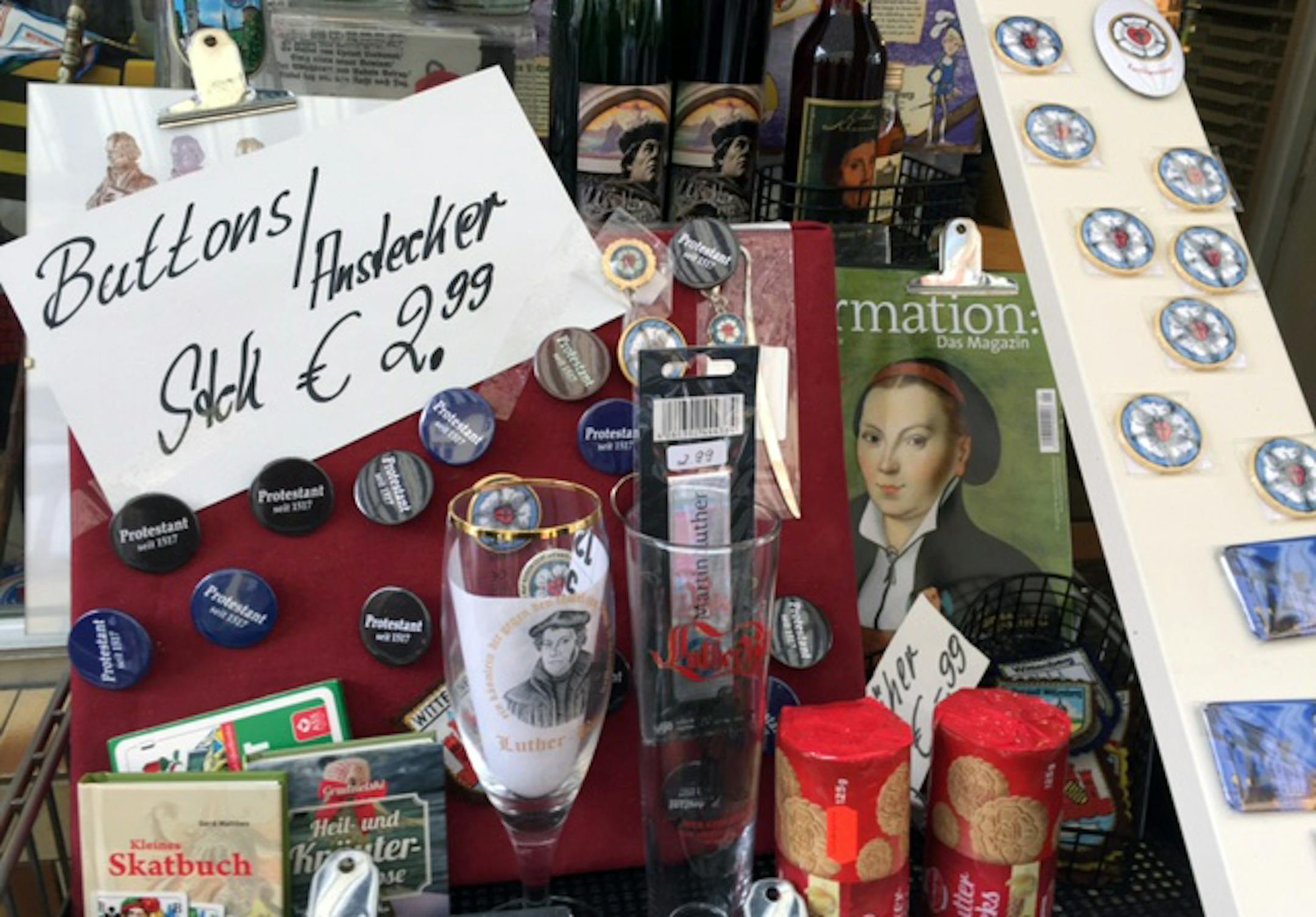
Martin Luther-themed paraphernalia, ranging from pins to cookies to refrigerator magnets, lure passing tourists in Wittenberg.
Martin Luther-themed paraphernalia, ranging from pins to cookies to refrigerator magnets, lure passing tourists in Wittenberg. (CJ Sinner/The Minnesota Star Tribune)

Alright, alright. So, we don't actually have 95 -- although that number is significant to Luther scholars for other reasons. Take a virtual reality tour through Wittenberg, Germany.

1. The most famous scene depicting the Reformation — namely Luther nailing 95 theses to a church door — might never have occurred. Luther never said so, and the university colleague who did waited until after Luther's death.

2. He liked his beer, writing, "Whoever drinks beer, he is quick to sleep; whoever sleeps long, does not sin."

3. Luther disdained people who didn't appreciate music, which he considered a gift of God. "A person who does not regard music as a marvelous creation of God does not deserve to be called a human being; he should be permitted to hear nothing but the braying of asses and the grunting of hogs!"

4. The former monk never planned to create a new religion, but to reform the Roman Catholic Church of its corruption.

5. Martin Luther's name at birth was Martin Luder. He reportedly changed it later in life to sound more academic.

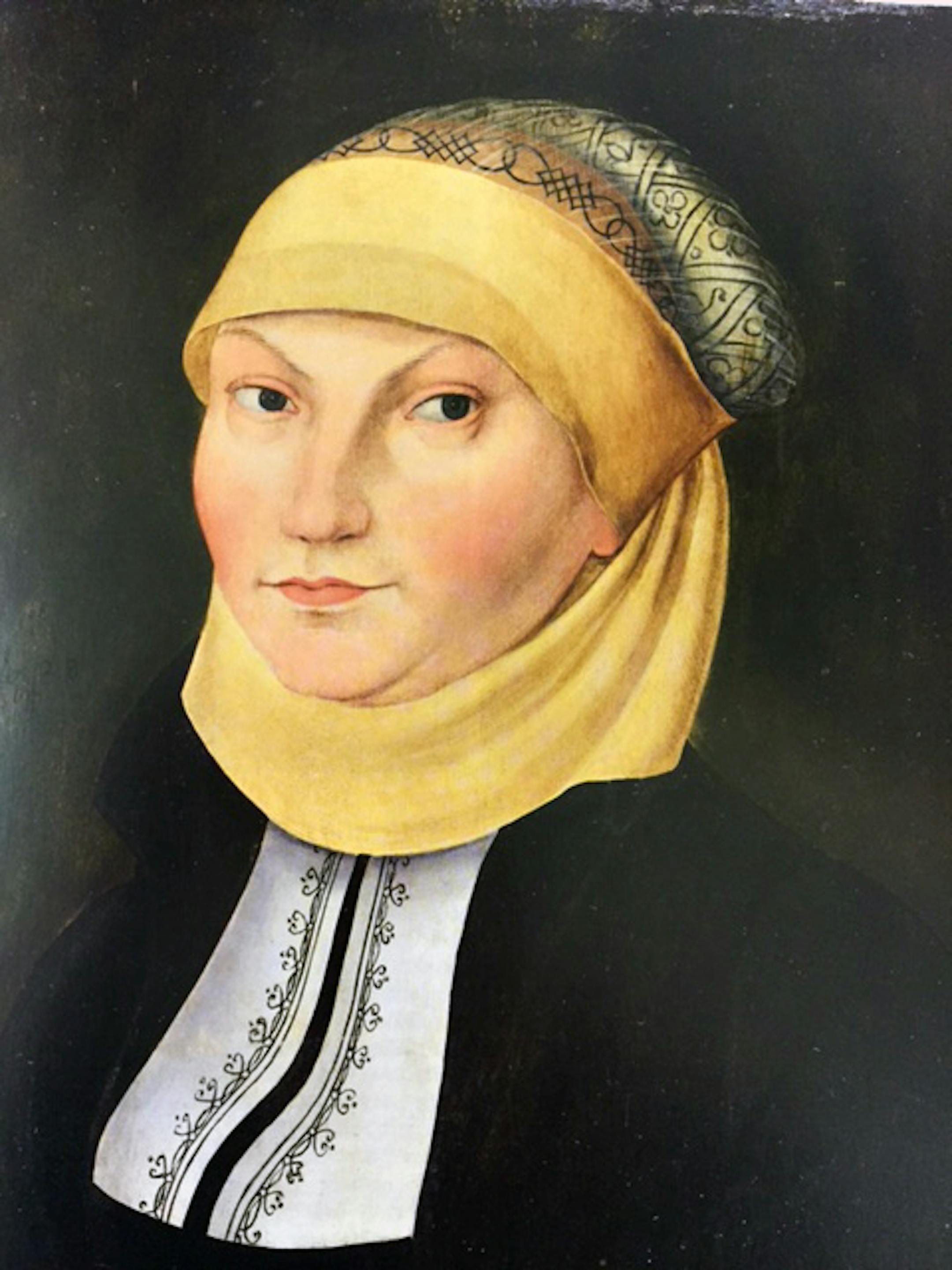
6. Luther married a former nun, Katharina von Bora.

7. Von Bora was among a group of nuns who reportedly fled their convent by hiding in an empty barrels. They sought protection in Wittenberg.
8. Luther was a master of insults, among them: "I would not smell the foul odor of your name."

9. Luther spent considerable time contemplating on the toilet, suffering from lifelong constipation – something mentioned frequently in Luther biographies.

10. The old city wall in Wittenberg ran behind Luther's house, and probably inspired his most well-known hymn, "A Mighty Fortress is Our God."

11. Luther promoted education, including for girls, an unusual thing to do at the time.

12. Luther had planned to be a lawyer, and was studying to be one before a sudden religious conversion.

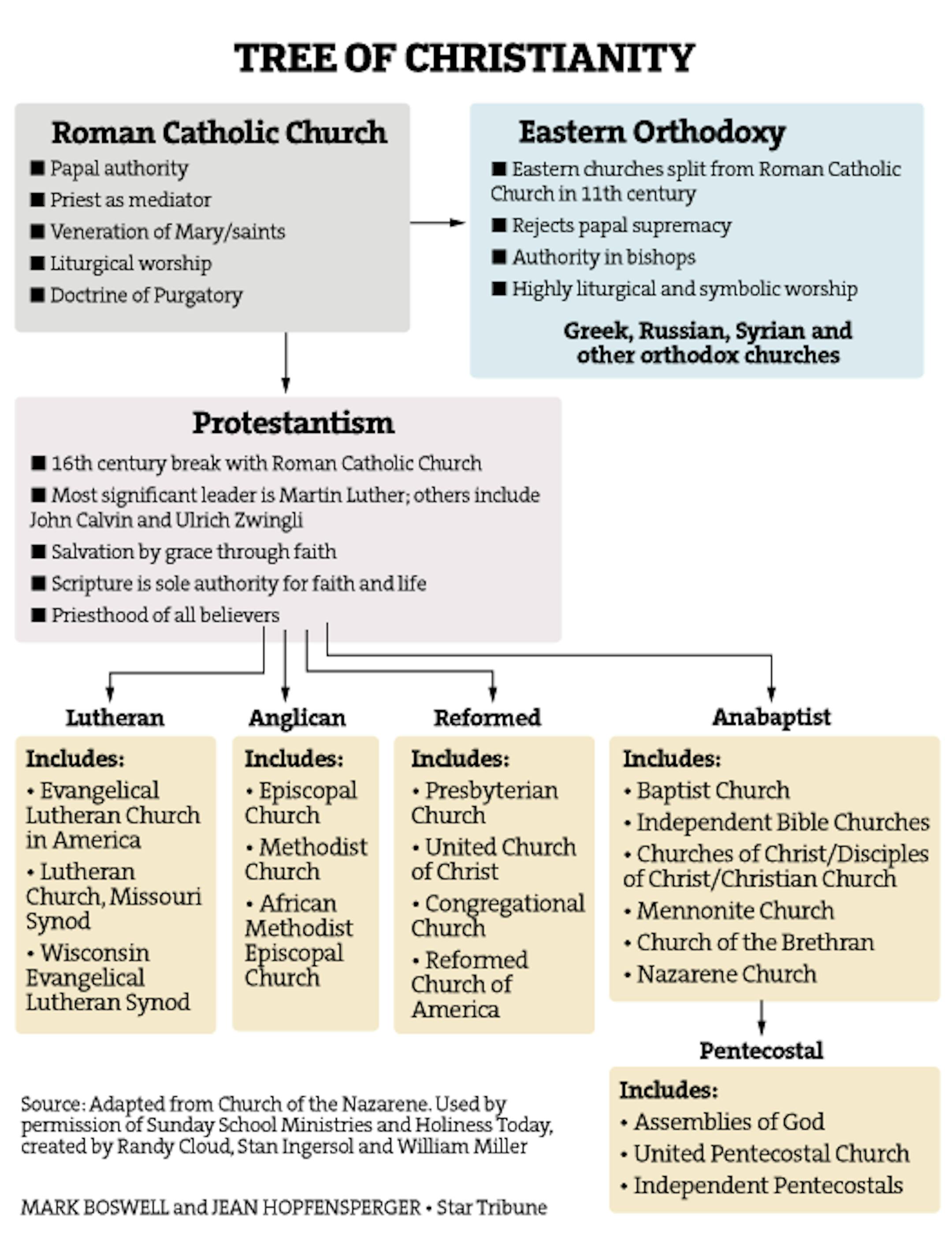
13. Luther's followers were called "Protestants" or "those who protested" and broke away from the Catholic church.

14. Thousands of Protestant denominations have emerged around the globe over the past 500 years, some large and influential, most far smaller. Below, see how Lutheranism evolved.

15. Luther helped democratize religion. He translated the Bible into German, allowing people to read it themselves rather than rely on religious authority for interpretation.

16. Luther's reformation had perfect timing. It coincided with the rise of the printing press, making his arguments known across Europe.

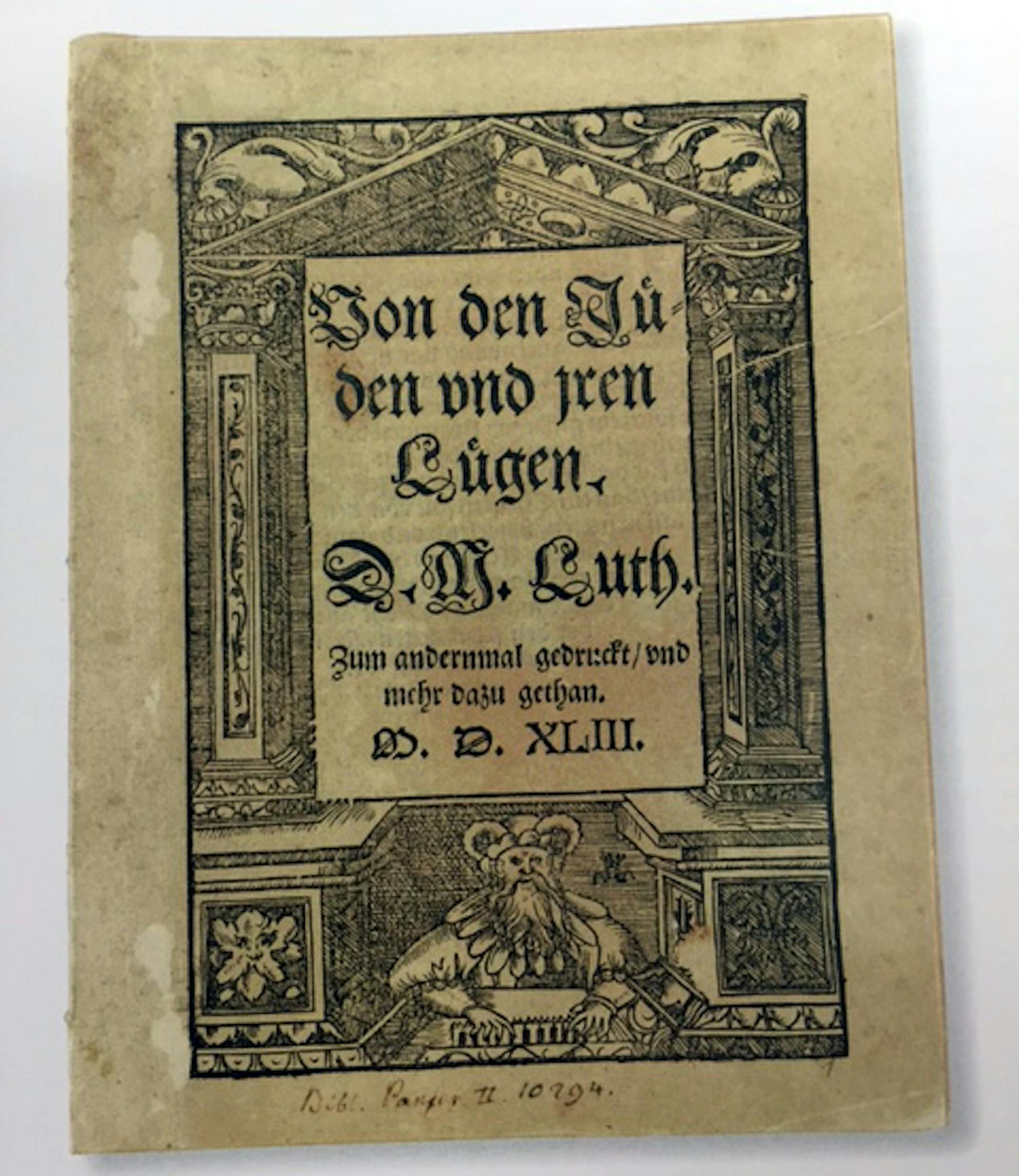
17. Luther was a vocal anti-Semite, writing pamphlets such as "On Jews and Their Lies."

18. The Reformation and its turmoil had lasting impact on politics in Europe, which began dividing along religious lines.

19. There are 72 million Lutherans across the globe today. Among the top 10 countries with the largest numbers are Germany, the United States, Sweden, Ethiopia and Tanzania.

20. Germany is predicting that up to a half million tourists will visit the sites where Luther lived and preached during next year's 500th anniversary of the Protestant Reformation.

(CJ Sinner/The Minnesota Star Tribune)
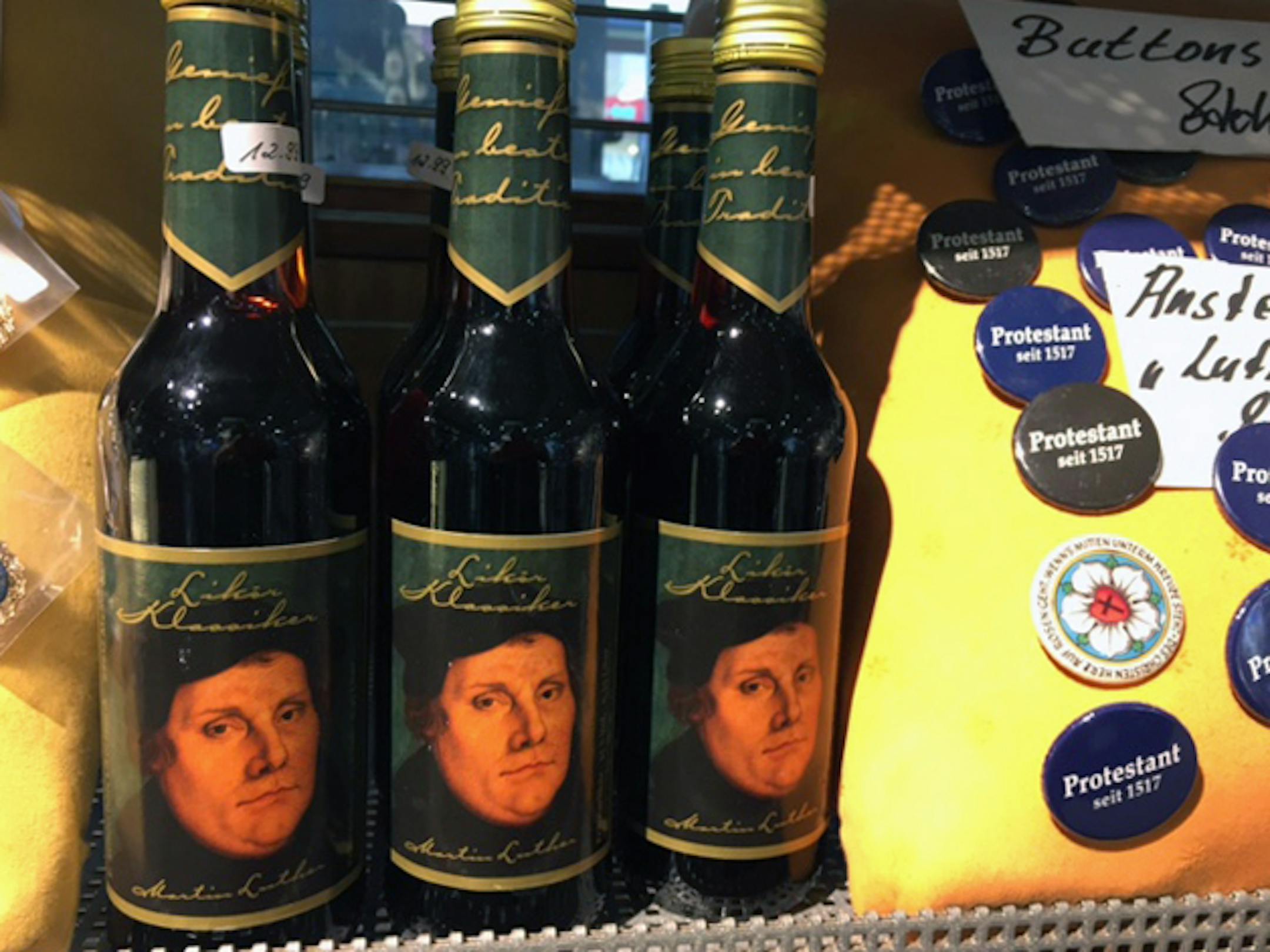
Martin Luther-themed beer was available at a Luther festival in Germany.
Martin Luther-themed beer was available at a Luther festival in Germany. (CJ Sinner/The Minnesota Star Tribune)
A Martin Luther festival in Wittenberg, Germany.
A Martin Luther festival in Wittenberg, Germany. (CJ Sinner/The Minnesota Star Tribune)
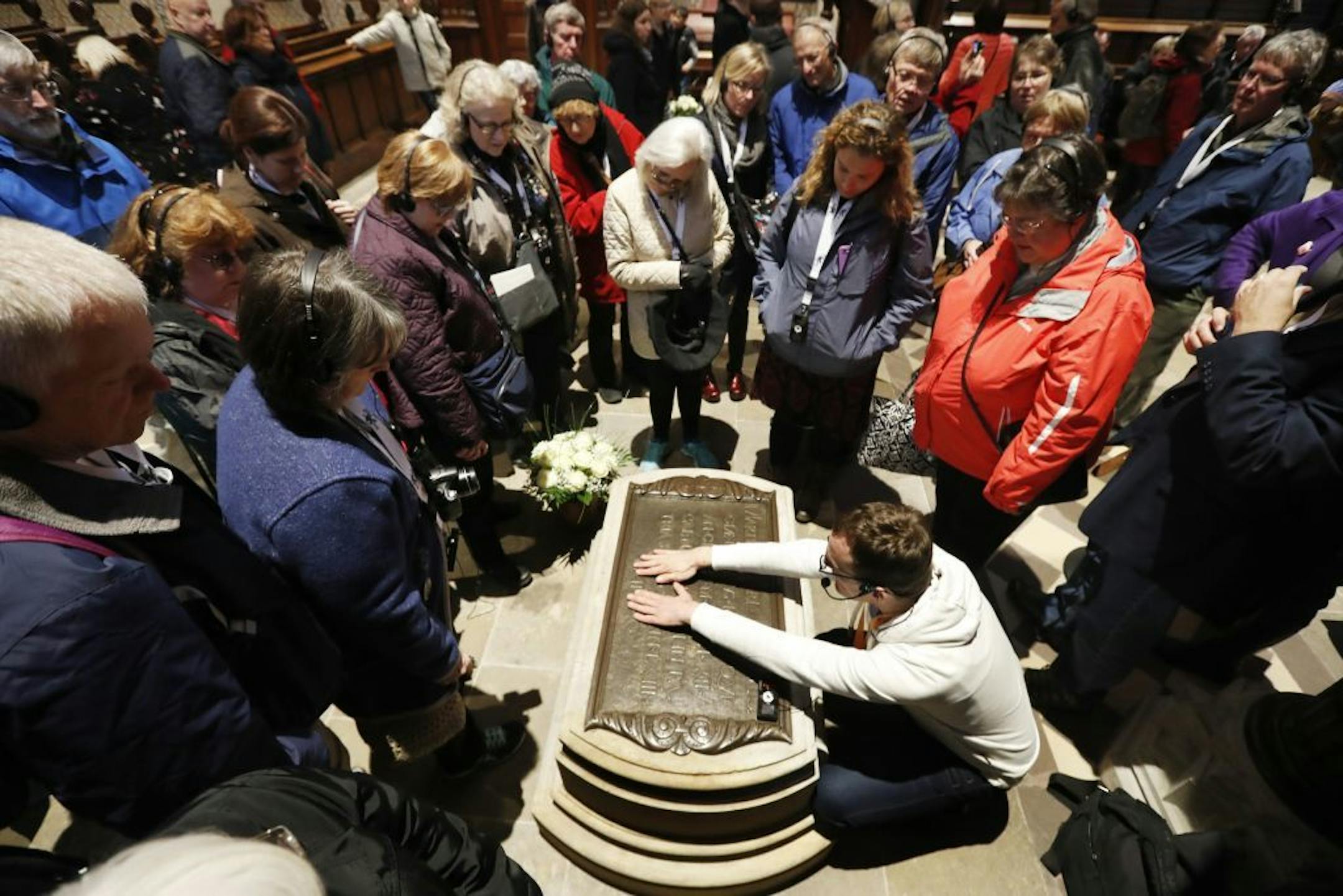
Historian Silvio Reichelt talked with Augsburg College Alumni about the burial site of Martin Luther at Castle Church Sunday October 30, 2016 in Wittenberg Germany.
Augburg College alumni visited Luther’s burial site in Castle Church in Wittenberg on Oct. 30, getting a jump on the boom in tourists expected next year. (Star Tribune/The Minnesota Star Tribune)
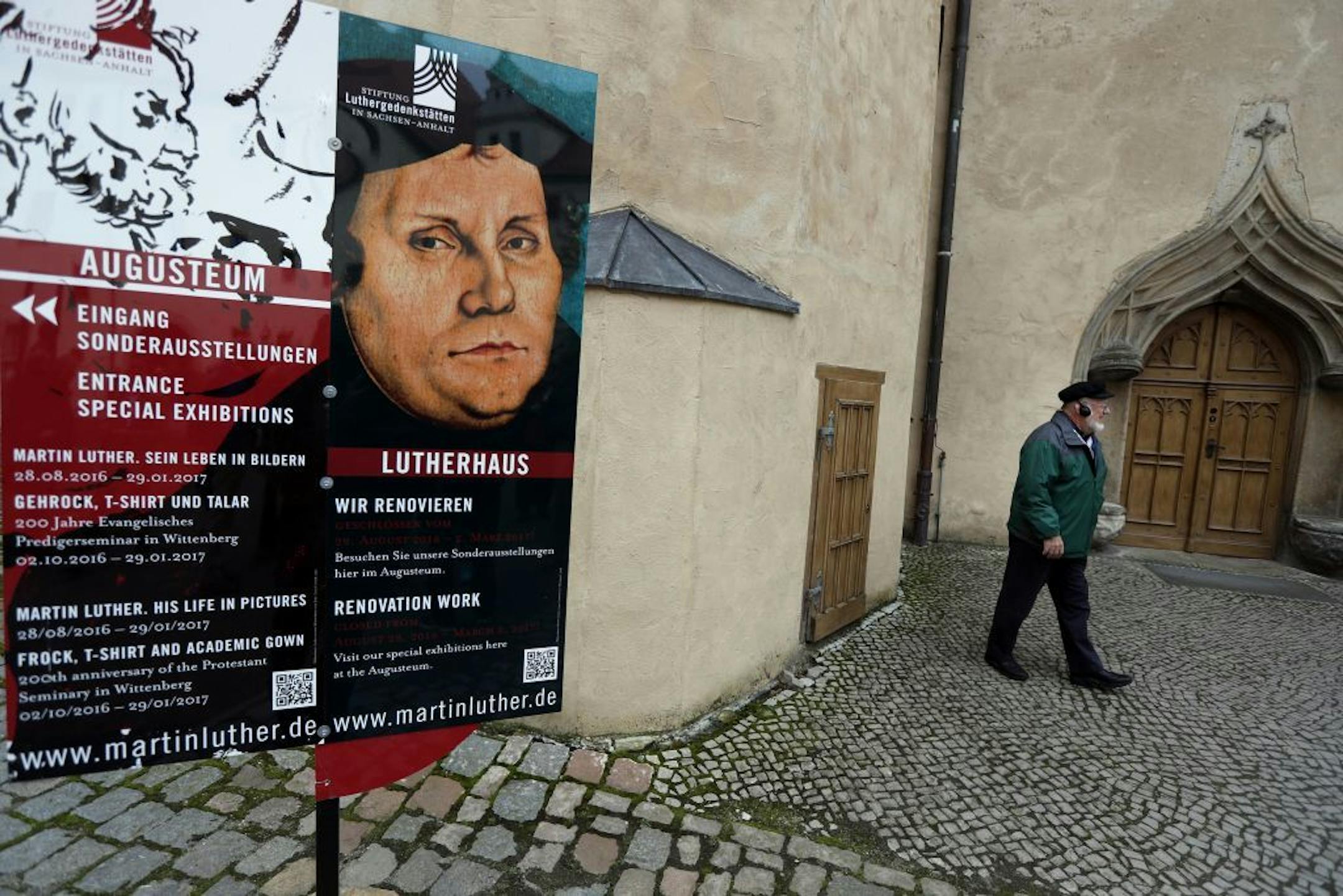
Eugene Strand right was among the Augsburg College Alumni and friends who toured the Luther House Sunday October 30, 2016 in Wittenberg Germany. The Augustinian monastery of Wittenberg, at which Martin Luther was a monk, was dissolved at the outset of the Reformation. Part of it was made into a residence hall for students and the rest was given to Luther as a family home.
Eugene Strand right was among the Augsburg College Alumni and friends who toured the Luther House Sunday October 30, 2016 in Wittenberg Germany. The Augustinian monastery of Wittenberg, at which Martin Luther was a monk, was dissolved at the outset of the Reformation. Part of it was made into a residence hall for students and the rest was given to Luther as a family home. (Star Tribune/The Minnesota Star Tribune)
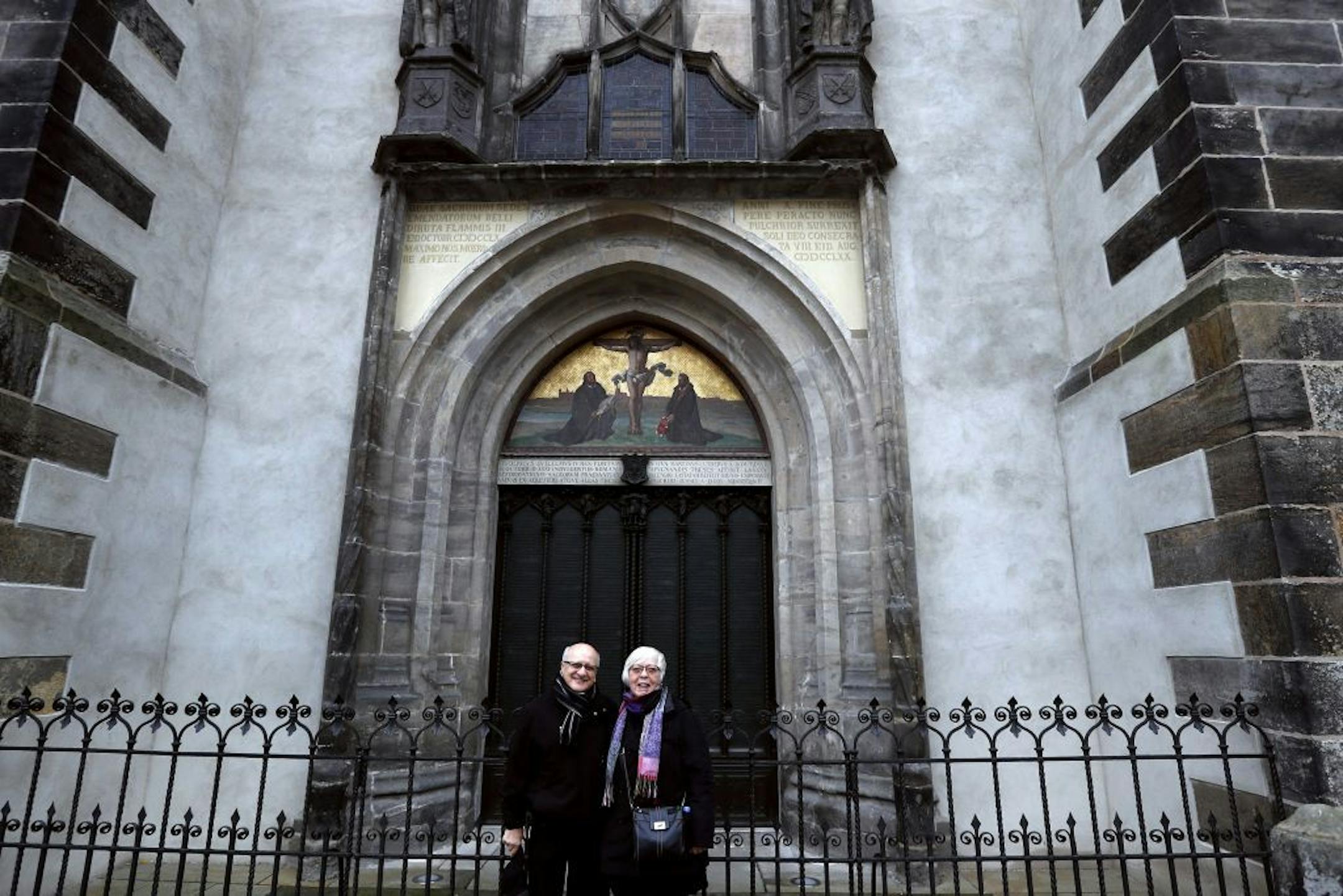
A portrait of Mahmoud Baali and his wife Virginia Baali at the legendary church doors where Martin Luther blasted the Catholic Church and unleashed the Protestant reformation Monday , October 31, 2016 in Wittenberg, Germany.
The legendary church doors where Martin Luther blasted the Catholic Church and unleashed the Protestant reformation in Wittenberg, Germany. (Star Tribune/The Minnesota Star Tribune)
A Martin Luther pamphlet "On Jews and Their Lies"
A Martin Luther pamphlet "On Jews and Their Lies" (CJ Sinner/The Minnesota Star Tribune)
Katharina von Bora.
Katharina von Bora. (CJ Sinner/The Minnesota Star Tribune)
about the writer

about the writer

Jean Hopfensperger

Reporter

Jean Hopfensperger is the religion, faith and values reporter for the Star Tribune. She focuses largely on religious trends shaping Minnesota and the nation. 

See Moreicon