In 2020, Jomo Tariku, a furniture designer who was born in Kenya and raised in Ethiopia and who had a second career as a data scientist with the World Bank, was preparing to give a lecture at Princeton University. Combing through the websites of 161 international furniture companies, he found that of the 4,399 designers that these companies employed, by his reckoning, only 14, or 0.03 percent, were Black.
It was a statistic heard around the world. After decades of designing handmade furniture in Springfield, Va., near Washington, and struggling for notice from manufacturers who could put the designs into production, Tariku suddenly became a star.
His Meedo chair, modeled on a hair pick, was acquired by the Metropolitan Museum of Art in New York. His three-legged Nyala chair, inspired by an antelope, is among five pieces he contributed to the film sets of "Black Panther: Wakanda Forever." Recently, he arranged his first licensing deal.
"It took me 30 years to get here," said Tariku, 54, "and I don't want it to die with me." He said he is intent on boosting the careers of other Black designers, like those in the Black Artists + Designers Guild, a nonprofit platform and mentorship organization that he helped get off the ground in 2018.
"We keep saying design is a global language. Well, it did not include us," he said. "What's the global part?"
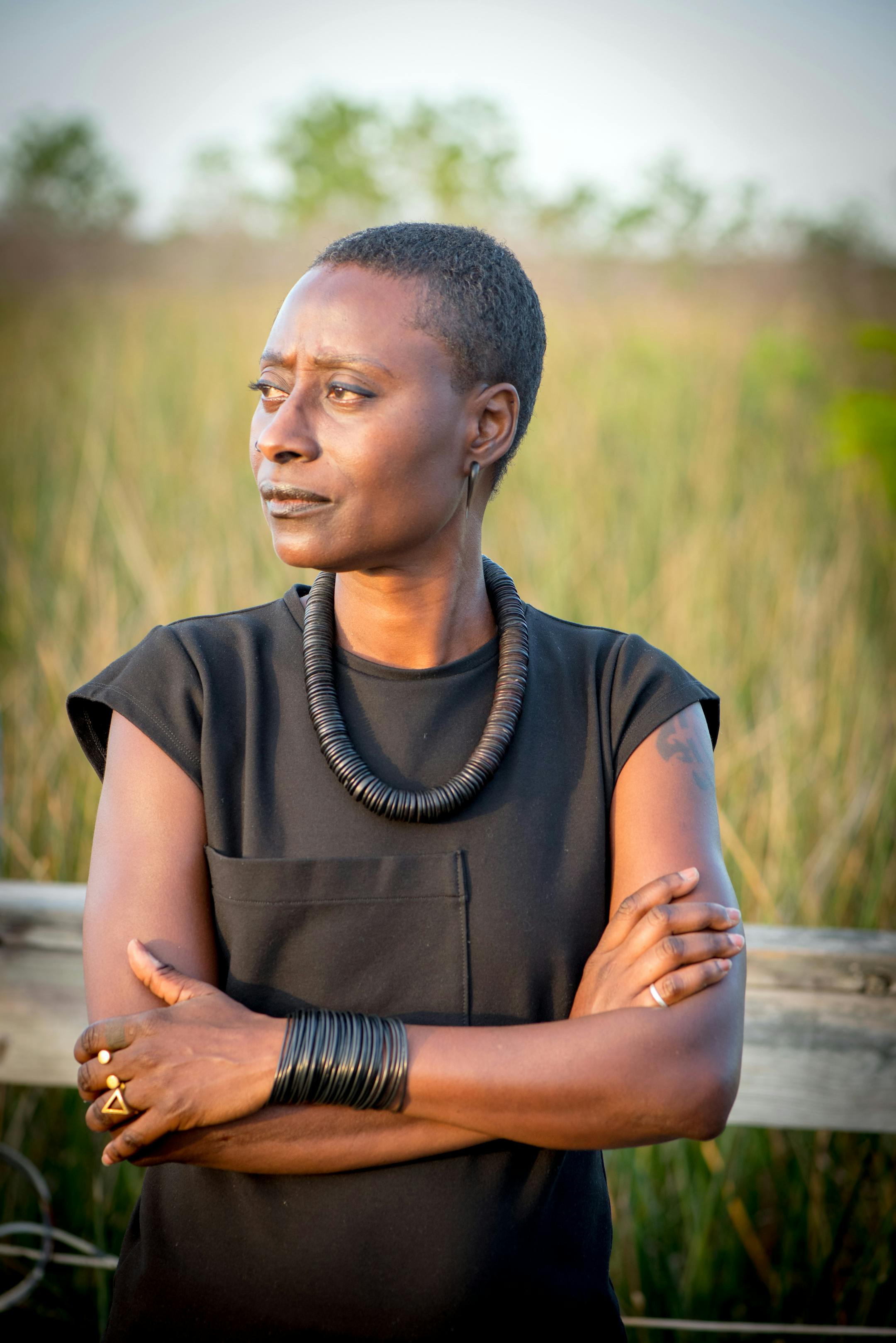
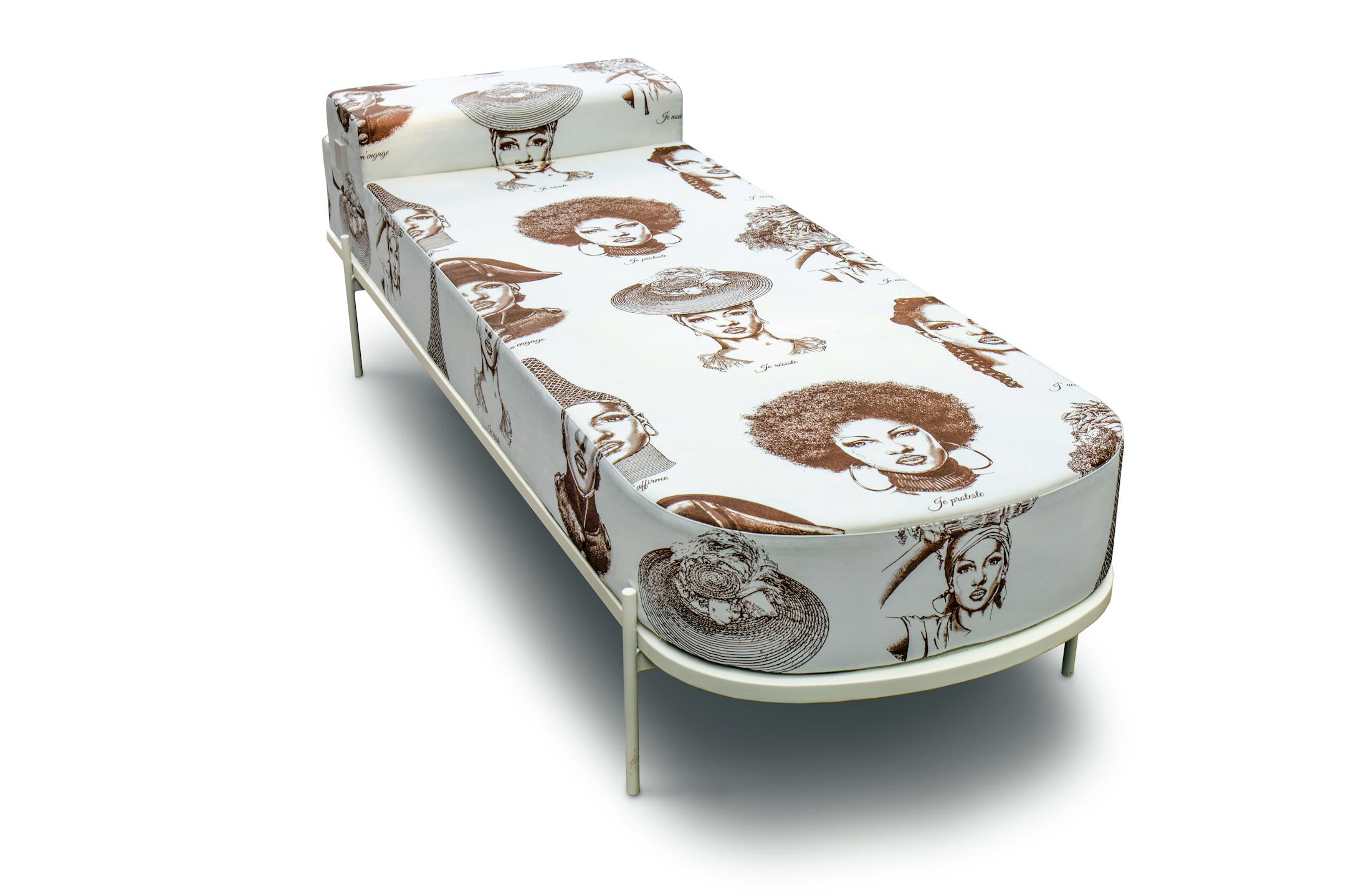
The New York Times asked Tariku about the names he would like to see on those furniture company websites. From a compiled list of more than 80 designers, he chose nine, who are featured here.
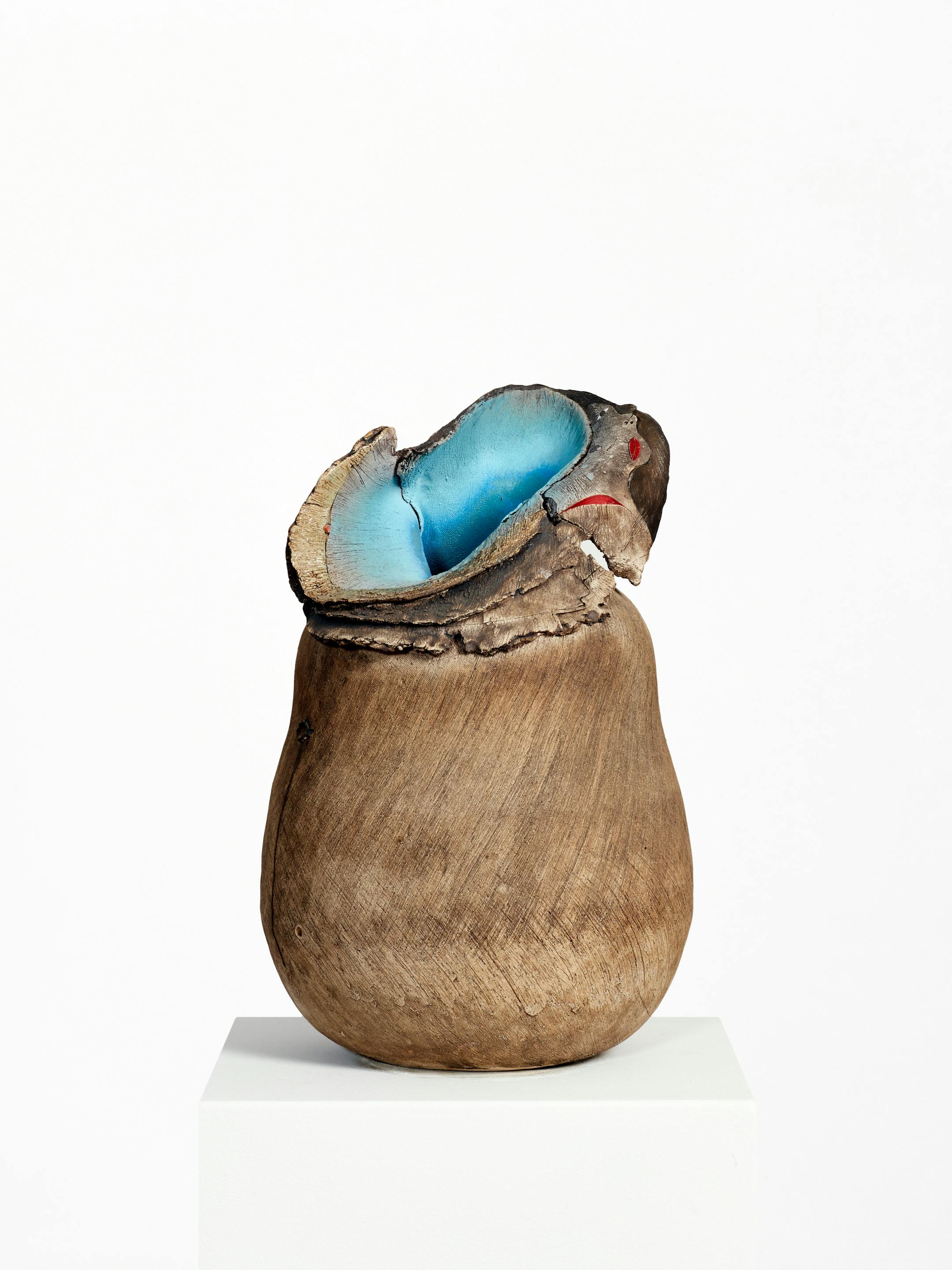
His choices ranged across generations, styles, materials and geographical points in the African diaspora. Many of the designers have not received formal training. What they have in common, he said, is a powerful and inspiring spirit of self-fulfillment.
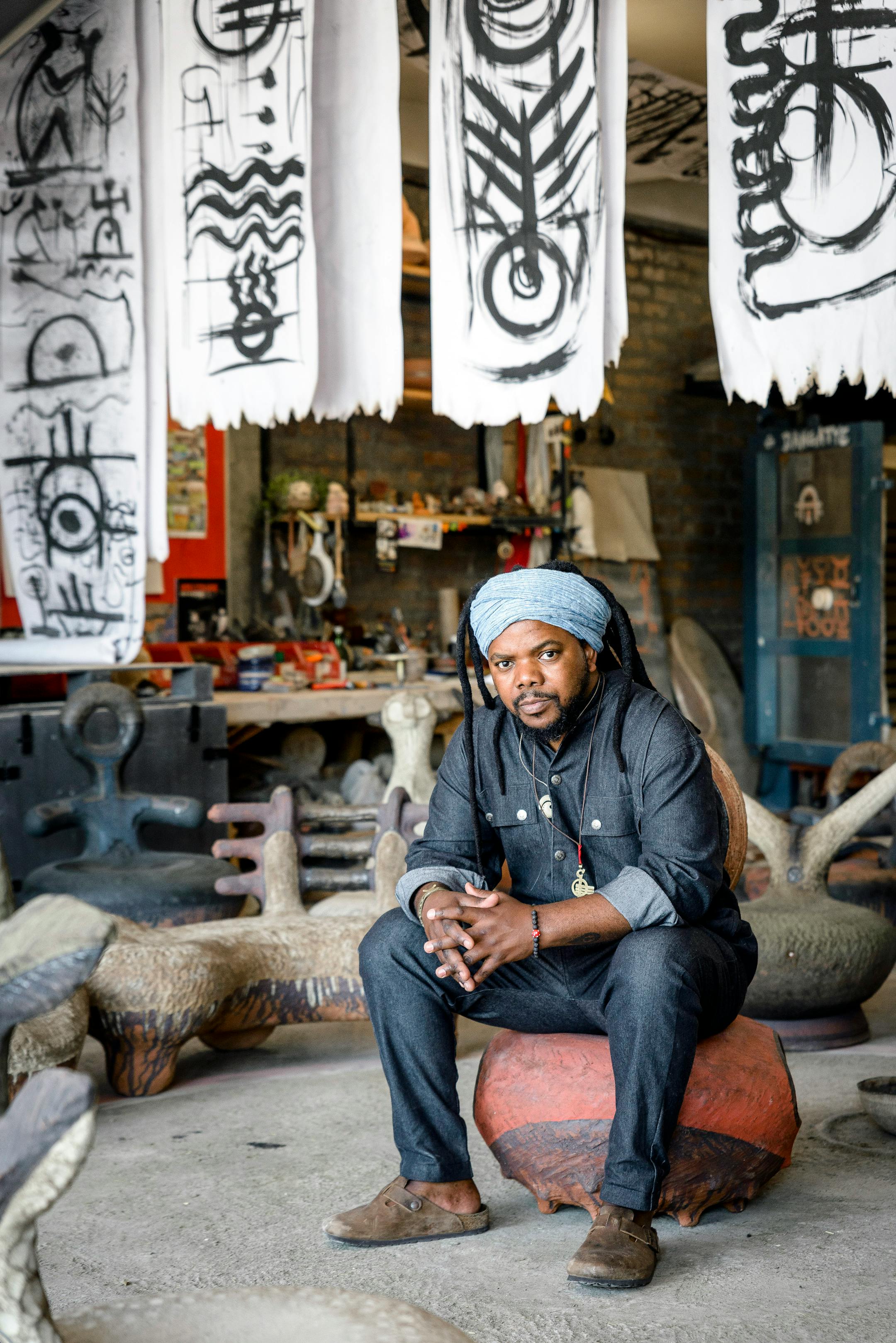
Andile Dyalvane: A 43-year-old ceramics artist based in Cape Town, Dyalvane is known for pieces that honor his Xhosa heritage. "He is using a material that you rarely associate with furniture and making it work," Tariku said, pointing out the unwieldiness of shaping and firing huge portions of clay. Embodying a dream language that is unique to the artist in a substance he is gifted in manipulating, Dyalvane's designs will never be confused with anyone else's, Tariku said. "And I love that approach because I really believe this is where Africa shines," he added. "It does not have to be an update of a preexisting piece of furniture."