

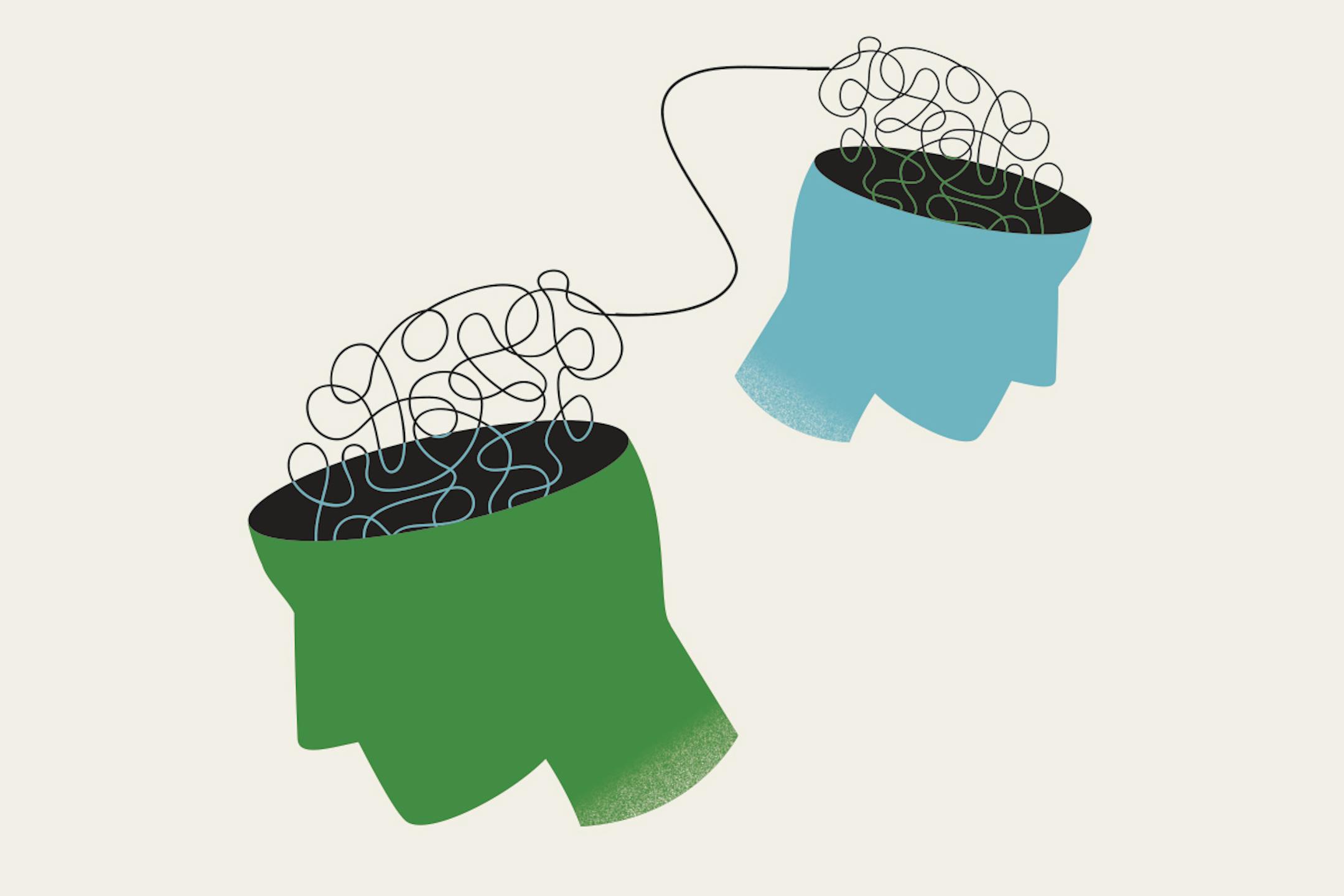
"You don't look like you have Alzheimer's," people tell Terry Montgomery. "Well, that's like saying, 'You don't look like an alcoholic,'" she says. "I'm just not as cognitively sharp as I used to be." Montgomery, 63, was diagnosed with young-onset (also called early-onset) Alzheimer's five years ago.
"I don't look any different or talk different. I'm not deaf, so you don't have to shout. I understand English," adds the retired businesswoman of Duluth, Ga., who's now on the advisory board of Dementia Action Alliance. "I hate the stigma placed on us because people don't know any better. Once I met others like me, it took away my fear and phobia."
People diagnosed with Alzheimer's or other forms of dementia often hear outdated or simply wrong beliefs about their conditions, says Mayo Clinic behavioral neurologist Dr. Jonathan Graff-Radford. He tackles such myths and more in the new "Mayo Clinic on Alzheimer's Disease and Other Dementias" (written with Angela Lunde), a complete revision of a 2013 guide by Dr. Ronald C. Petersen. The update adds personal stories from people with dementia and their care partners as well as new sections on brain health and living well with cognitive disorders.
Among the misconceptions it's time to toss:
Dementia is a problem for the old
Not exclusively, as Montgomery, who was diagnosed at 58, knows. Almost a quarter of a million Americans are living with young-onset Alzheimer's (developing symptoms before 65), which is why the Mayo book now includes a section on it.
Another type, frontotemporal dementia, typically strikes between ages 40 and 65.
"A lot of information focuses on those in their 70s. But people in their 40s, 50s and 60s may still work or have dependents living in the house, with different concerns," Graff-Radford says.
If you have memory loss, you probably have dementia
It's more apt to say, if you have memory loss, you're human.


