If you've attempted to add houseplants to your space only for them to wither away, one culprit might be your light — a particularly vexing element to get just right.
"While a window may seem bright to your eye, the reality is there is typically much less light available to your plants than you think," Leslie F. Halleck, a certified professional horticulturist and author of "Gardening Under Lights," says via email.
"Most of the locations in our home would be considered low light unless they're immediately in front of a window that gets some direct sun," adds Raffaele Di Lallo, author of "Houseplant Warrior" and founder of Ohio Tropics.
And not all windows are created equal: While a west-facing window provides intense afternoon light and a south-facing one supplies ample light throughout the day, a north-facing window doesn't offer much overall light at all; east-facing windows generally supply a nice balance. Other factors, such as the season, the distance that your plant sits from the glass, and obstructions outside your home, further complicate things.
Luckily, many types of houseplants — often varieties that are found on the floors of jungles and forests in the wild — can do well in low light conditions. Just remember that "low light doesn't mean no light," says Lisa Eldred Steinkopf, founder of the Houseplant Guru and author of "Houseplants: The Complete Guide." She and our other experts also caution that some common recommendations for dim spots aren't actually naturally suited to them. One example is the snake plant, which thrives in sunlight in its native habitat. "It will survive [in low light], but it's slowly dying," says Steinkopf. "You'll see it become "straggly because it doesn't have enough energy."
So, while you won't find the snake plant on this list, you will find eight other recommendations, all of which can live happily in low-light spots.
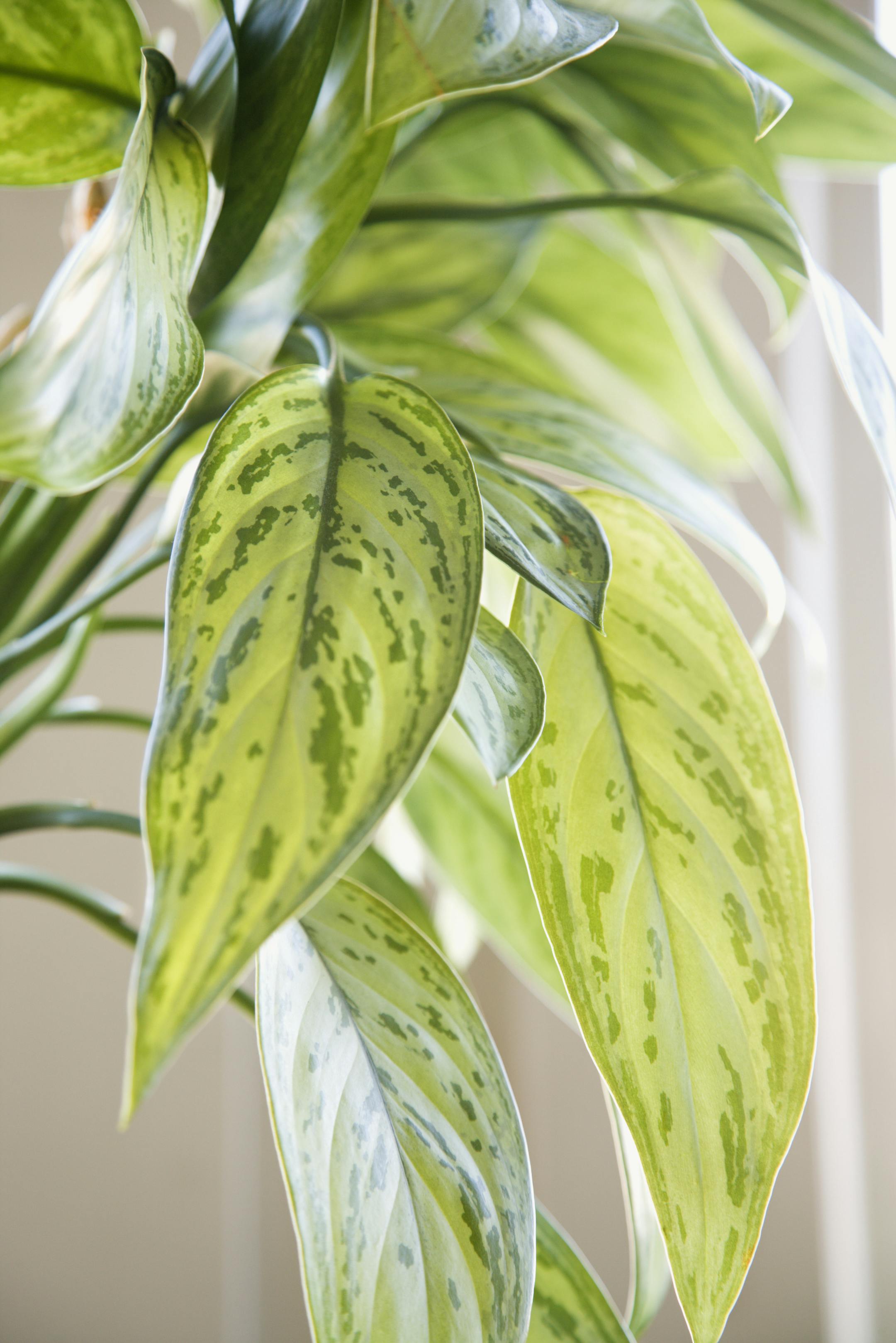
1. Chinese evergreen
This plant, which grows up to 3 feet, has lance-shaped leaves that are great for adding brightness to a bedroom, shelf or desk that receives low light. Just make sure you choose a type with darker green foliage. "There are some varieties that are more brightly colored, or some varieties that are pink and red, but these need more light so that the colors don't wash out," says Di Lallo.