

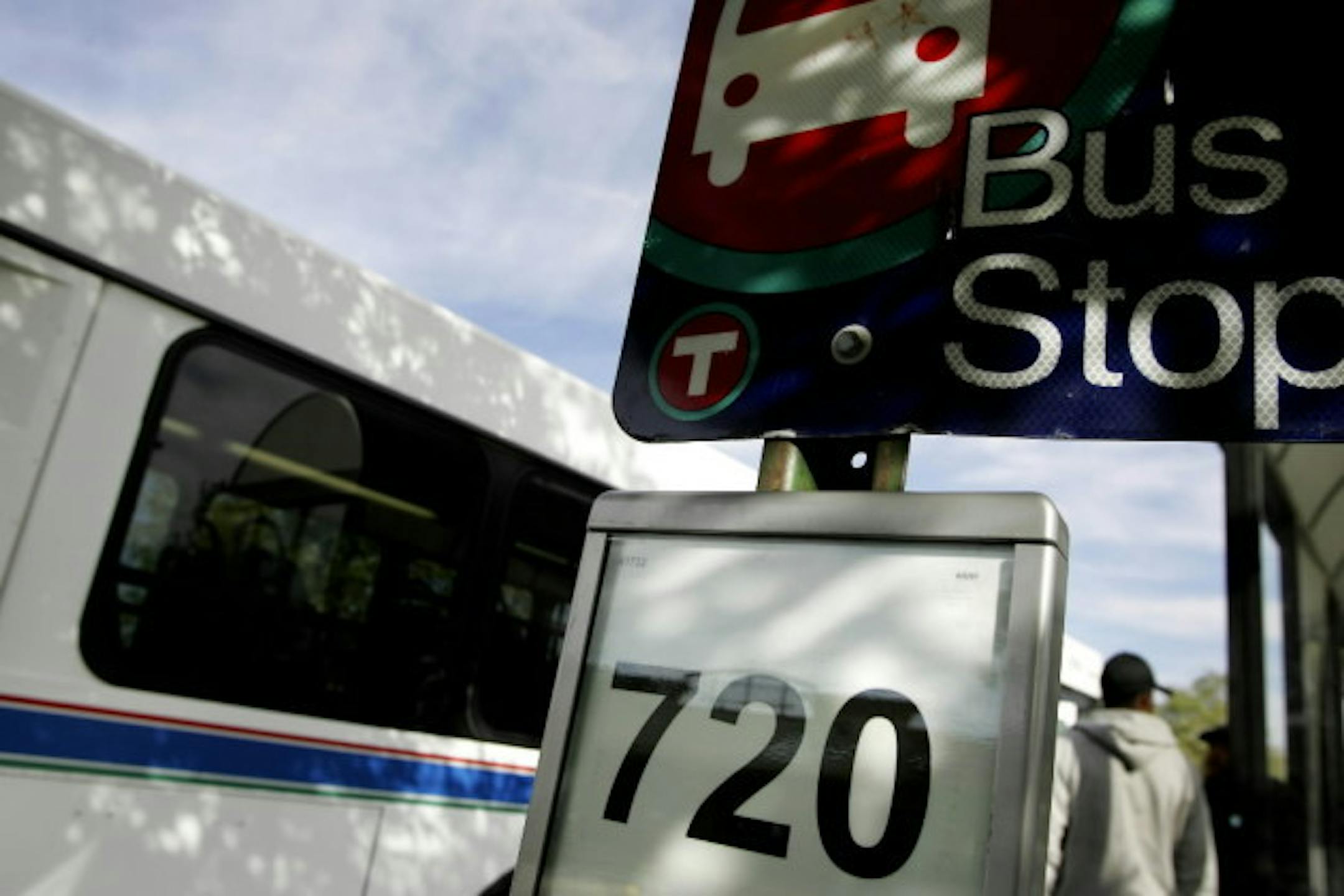
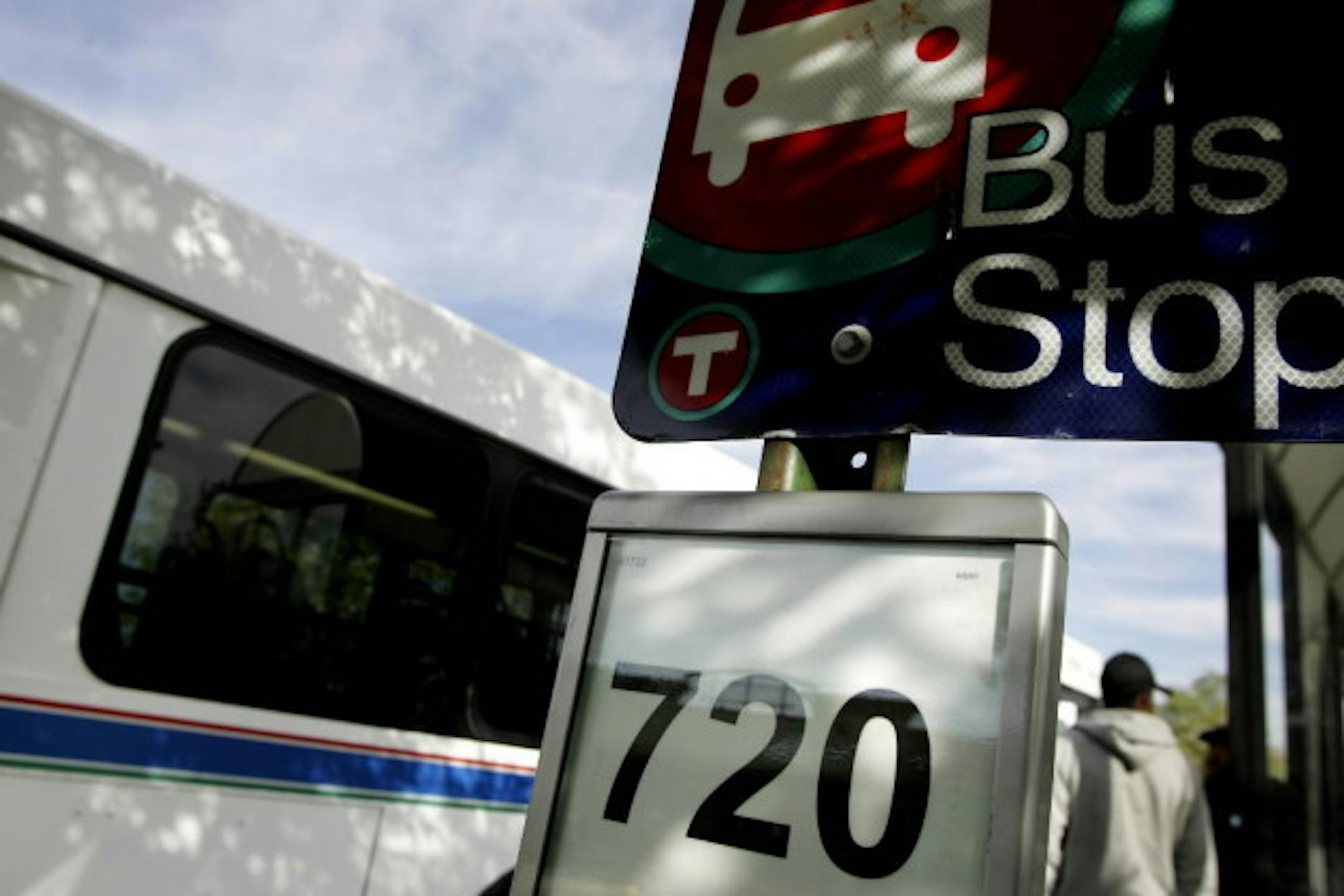
Metro Transit has pretty ambitious plans to dramatically improve both local and express bus service over the next 10 to 15 years, but it comes with a hefty price tag: $72.3 million a year.
On the upside, it could increase ridership by nearly 16 million annually.
The agency has come up with its Draft Metro Transit Service Improvement Plan, a list of 122 improvements that by 2030 would increase service frequency on existing routes, coordinate routes to make connections easier and introduce more reverse commute options for those heading from the core cities to the suburbs. It also includes adding 11 arterial Bus Rapid Transit lines that would run on urban streets such as Penn Avenue.
The plan will be the subject of five public meetings between Nov. 5 and 17 and a public hearing on Nov. 18. The Metropolitan Council will adopt the plan sometime in early 2015.
For now, the plan is basically a wish list since Metro Transit does not have the money to expand service. The agency says no cuts to existing service are planned, but new service would only be added as funds allow.
"Strong express and local bus service is critical to connecting residents to economic and recreational opportunities," Metro Transit General Manager Brian Lamb said. "The draft Service Improvement Plan provides a strong vision that builds on our existing network and will make our region better-connected than ever."
Metro Transit originally came up with a list of 165 potential service enhancements. Each were scored using various criteria and ranked as High, Medium or Low. Forty-one earned a high ranking and 81 medium and were identified as the top priorities. The 43 that scored a low mark were dropped from the plan, but could be considered at a much later time.
Of the 122 enhancements under consideration, 77 expand geographic coverage and improve network connectivity, 71 improve frequency on existing routes and 62 include service that starts earlier in the morning or runs later into the evening. The plan also includes 14 reverse commutes routes.


