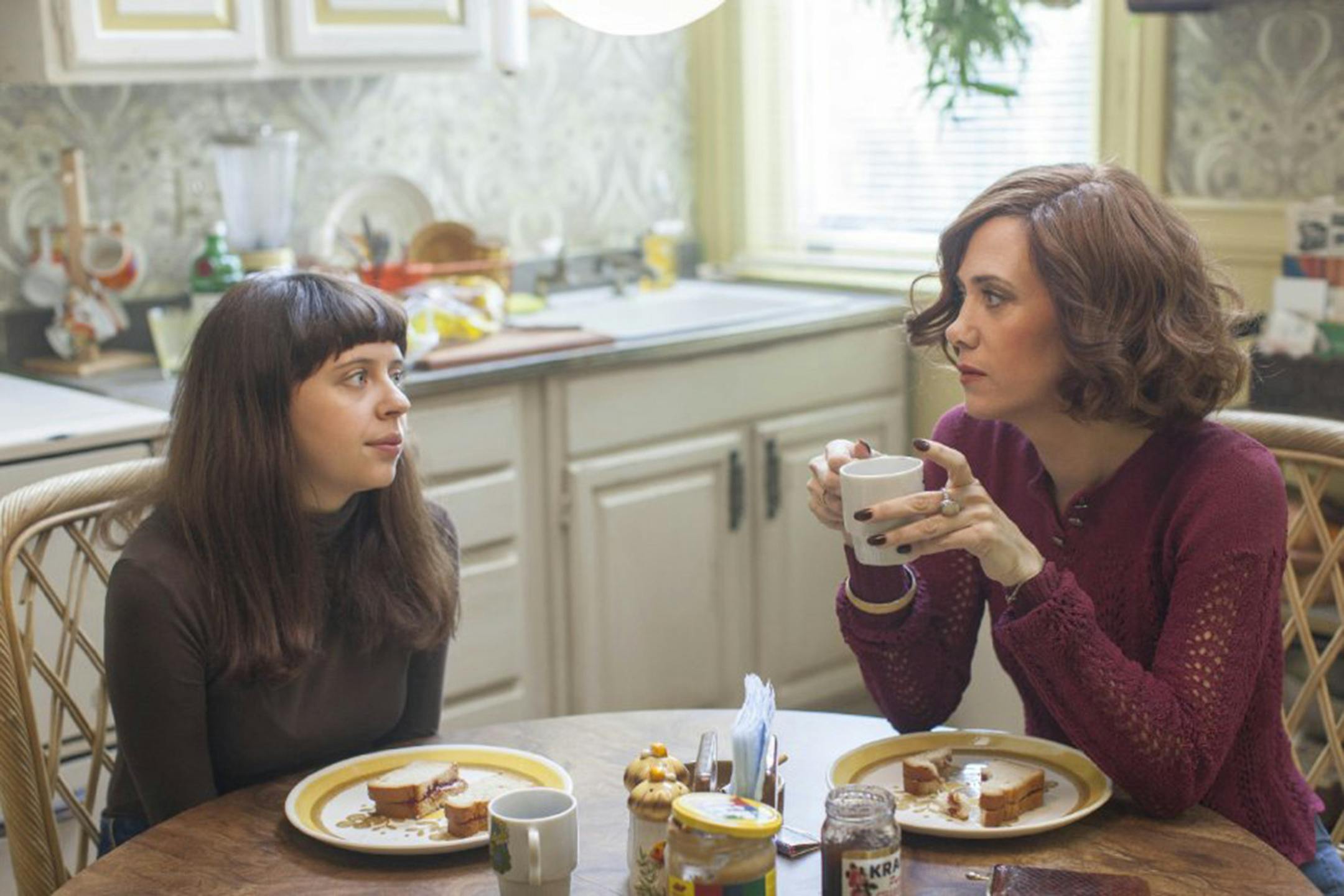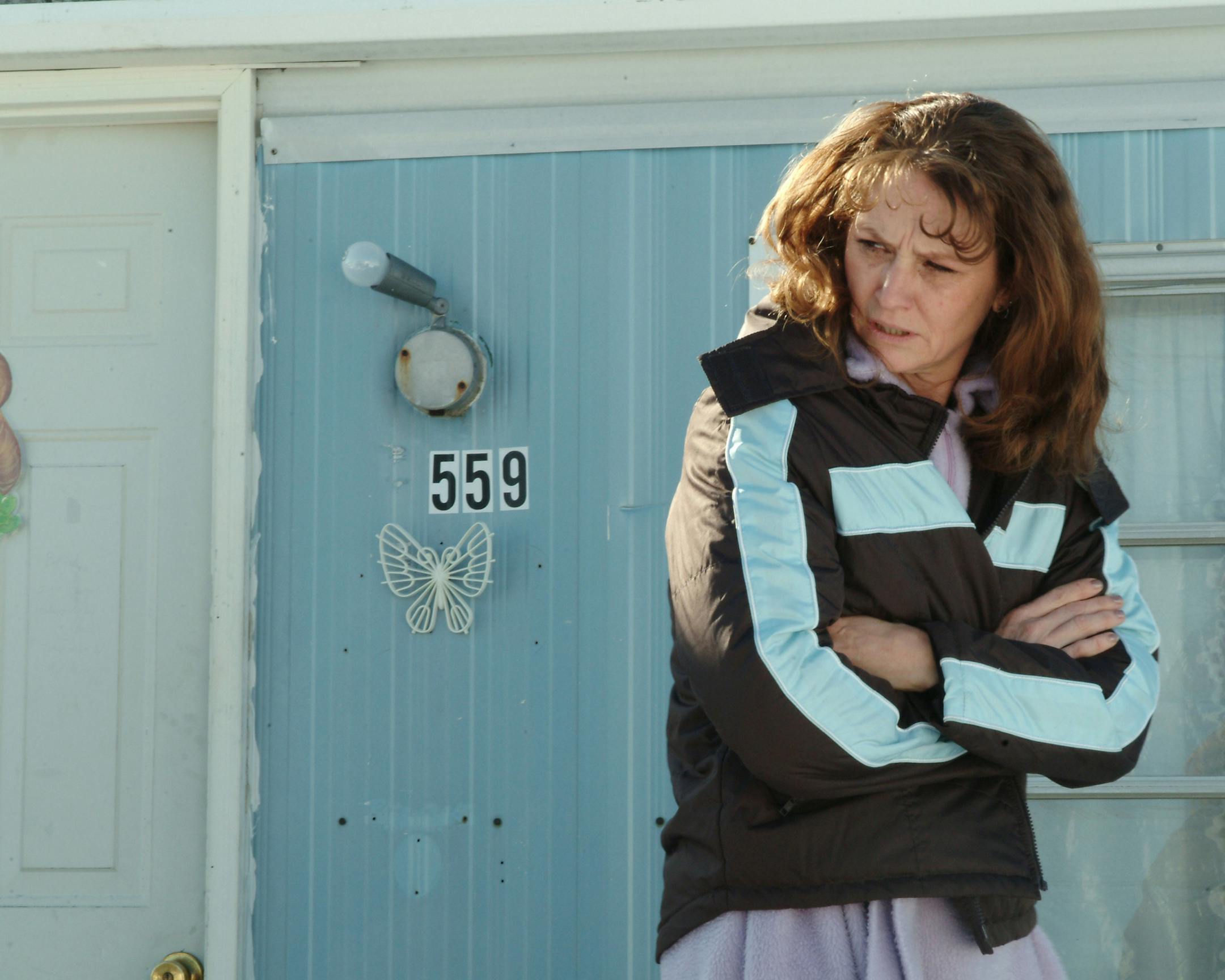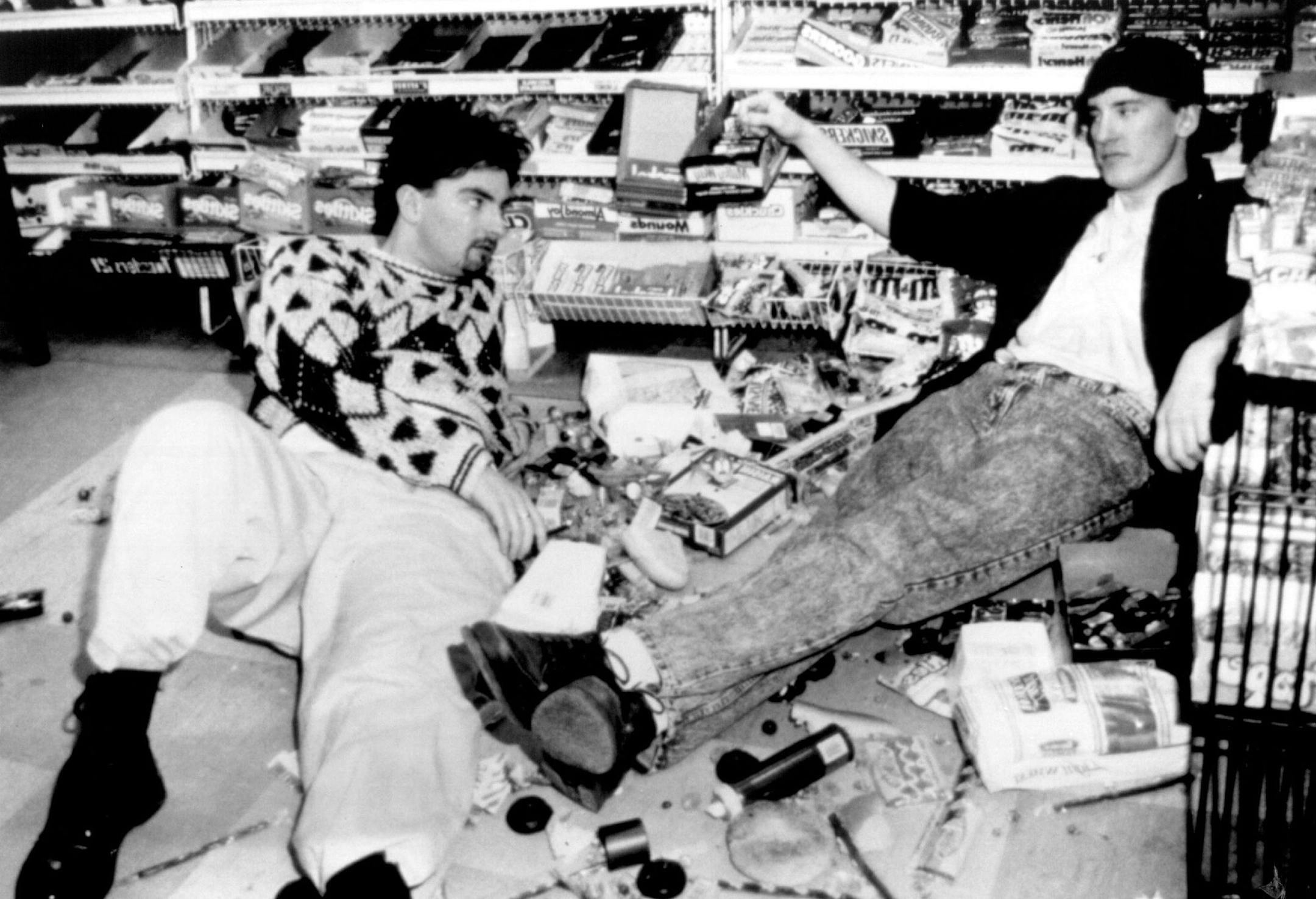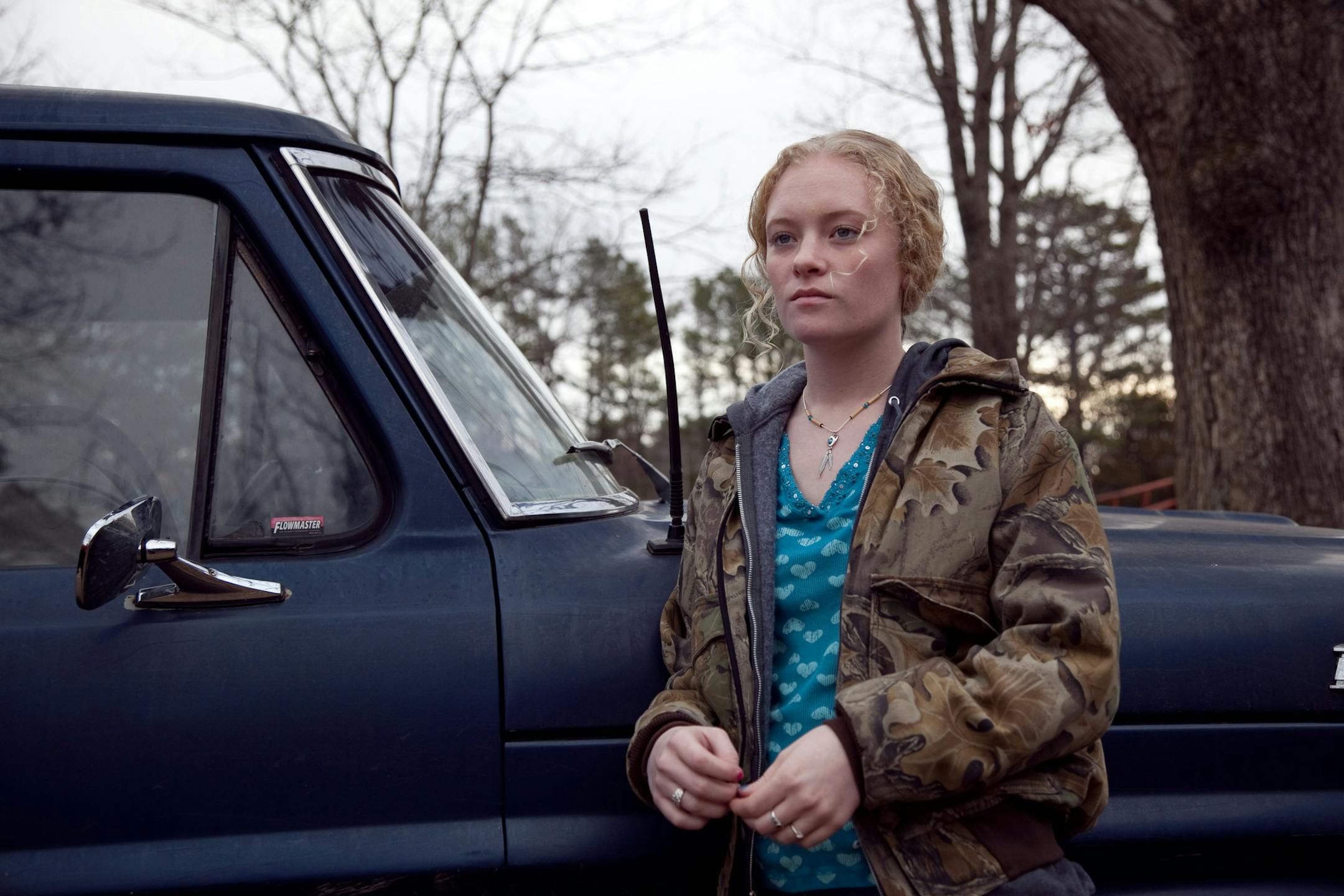
It is the best of fests, it is the worst of fests.
The Sundance Film Festival — running now through Feb. 3 with a combo of virtual and in-person screenings around the country — is usually the former. Name an independent movie of the past four decades and it probably debuted at the Utah event spearheaded by Robert Redford since 1984. And though usually only a handful of latte-swilling swells get to experience the movies each January, the best of the films unfurl around the world over the succeeding months, often culminating in Oscars.
"Minari," which both the festival jury and the audience selected as last year's best, is now a strong contender for Oscar's best picture, actor and supporting actress (it finally opens Feb. 12). Eliza Hittman, a 2020 Sundance winner for her "Never Rarely Sometimes Always," is a contender for a best director nomination. And it wouldn't be a huge surprise if all five documentary Oscar nominees were from Sundance: "Boys State," "Crip Camp," "Dick Johnson Is Dead," "Time" and "Welcome to Chechnya."
Wait … five docs received prizes at one Sundance? Yup. (Actually, it was more.) That's the "worst" part. All five of those documentaries are good, but the prizes begin to feel like participation trophies at a Pinewood Derby if there are 34 of them, as there were in 2020. The fest used to hand out just 10 awards or so, but sometimes it seems like the jury couldn't agree, so they concocted a prize for everyone.
Something about seeing a half-dozen movies a day for a week also affects juries, because they occasionally go nuts for movies that either vanish or quickly sour. "Happy, Texas," "The Brothers McMullen," "Songcatcher" and 2016's "The Birth of a Nation" are just a few disappointments that emerged from the fest with tons of buzz.
They're exceptions, though. We owe the flourishing of the independent scene to Sundance, which brought us "You Can Count on Me," "Smoke Signals," "Blood Simple" (which won the top prize in 1985, beating "Seventeen," "Streetwise" and Jim Jarmusch's "Stranger Than Paradise"), "Real Women Have Curves," "American Dream," "Daughters of the Dust" and many great documentaries of the past 40 years. (The fest's docs are almost universally excellent — the list on the Sundance awards Wikipedia page is a great road map.)
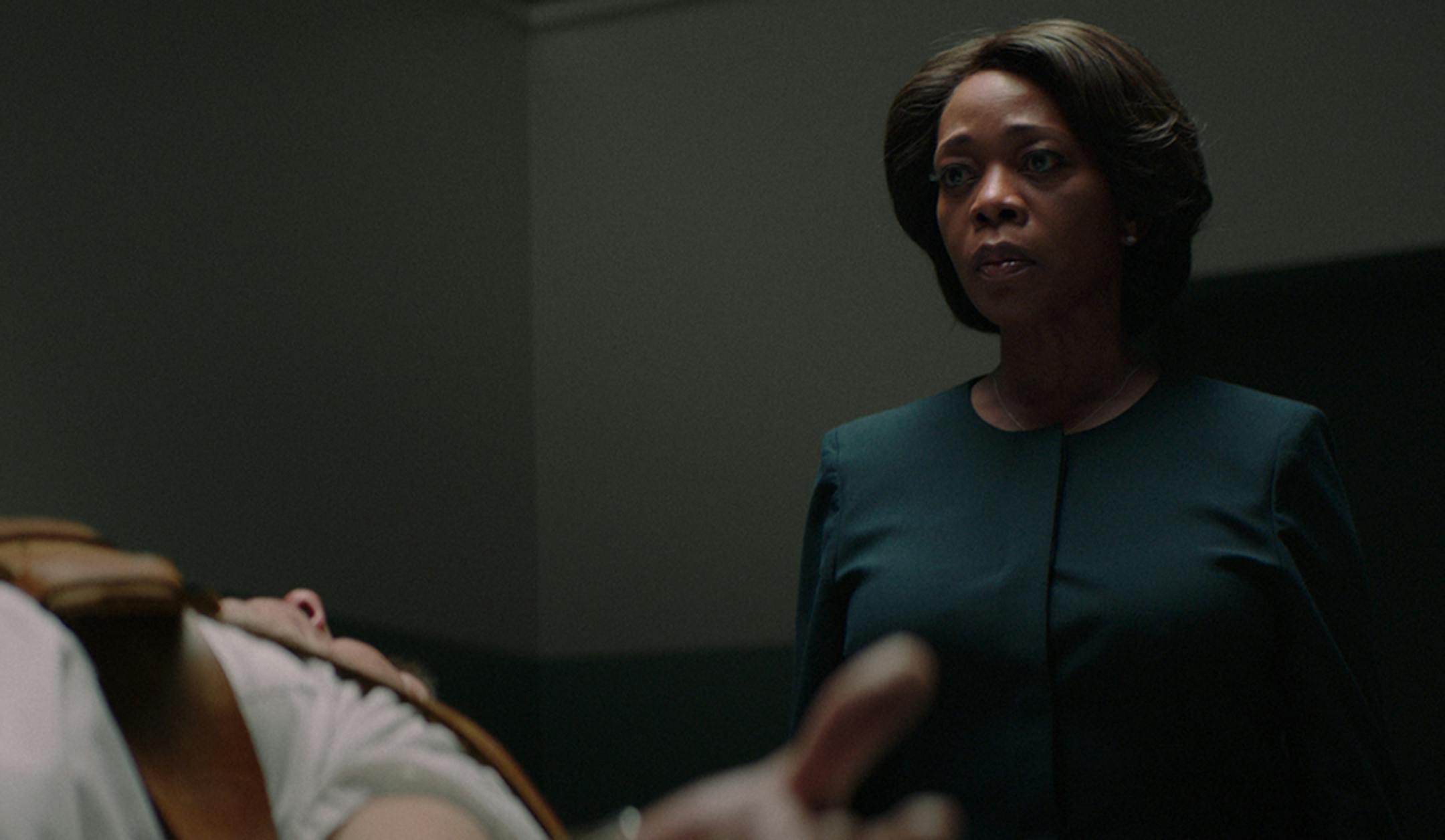
Long before Hollywood took notice, Sundance nurtured women and directors of color, leading to big-budget jobs with actual paychecks. Somebody in this year's competition — perhaps Minnesota's Lyle Mitchell Corbine Jr., who wrote and directed "Wild Indian" — will vault from unknown to hot-hot-hot, and their movie will join the list of Sundance all-timers that includes these seven.
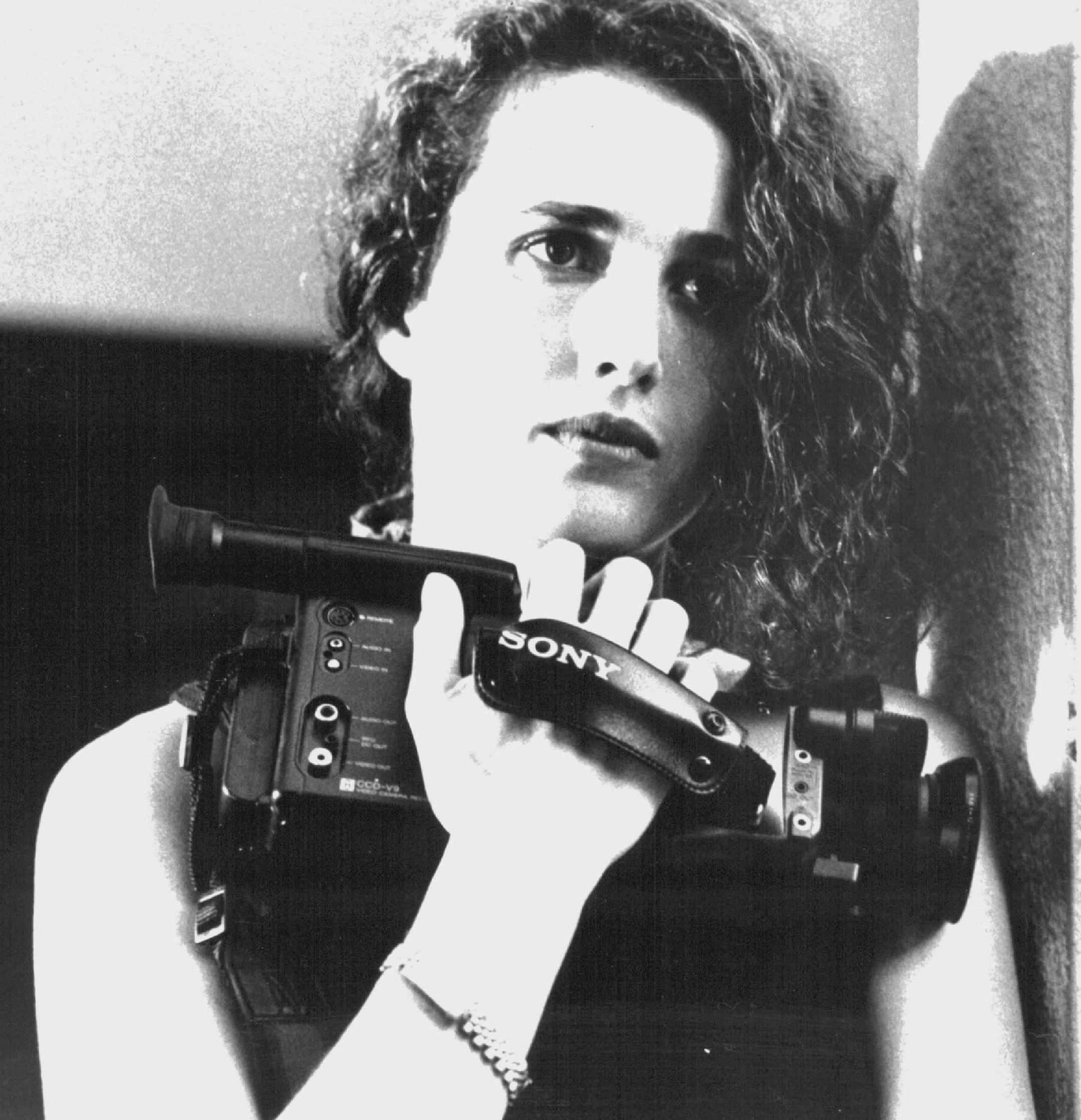
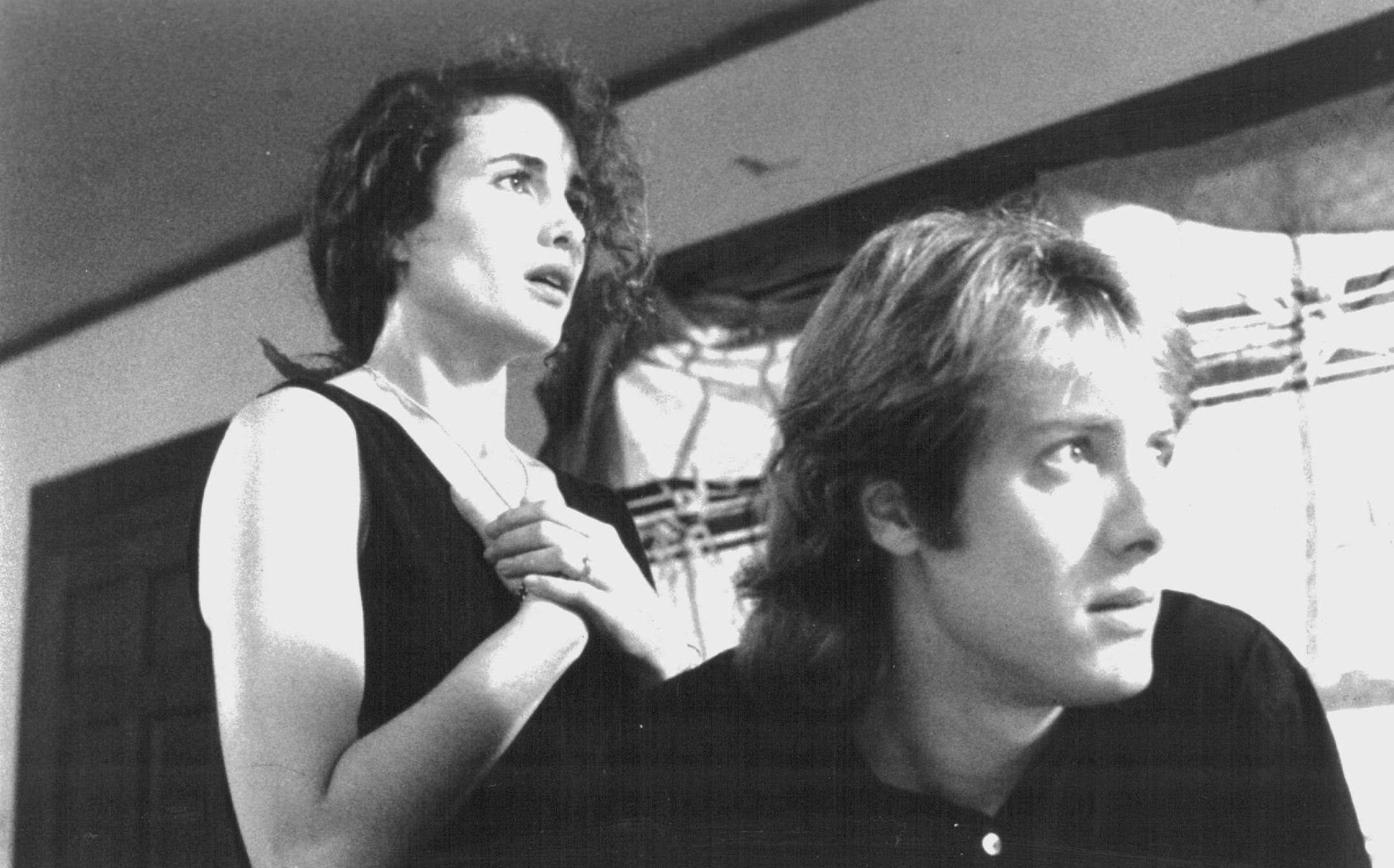
Exhibit A for Sundance's power is the erotic drama that established Steven Soderbergh and propelled James Spader and Andie MacDowell to stardom. Soderbergh's debut didn't win the jury prize (that was Nancy Savoca's "True Love"), but it took the audience award and debuted one of our canniest directors, who shifts gracefully between experimental projects such as "High Flying Bird" and mainstream movies such as his Oscar-winning "Traffic" and the current "Let Them All Talk."