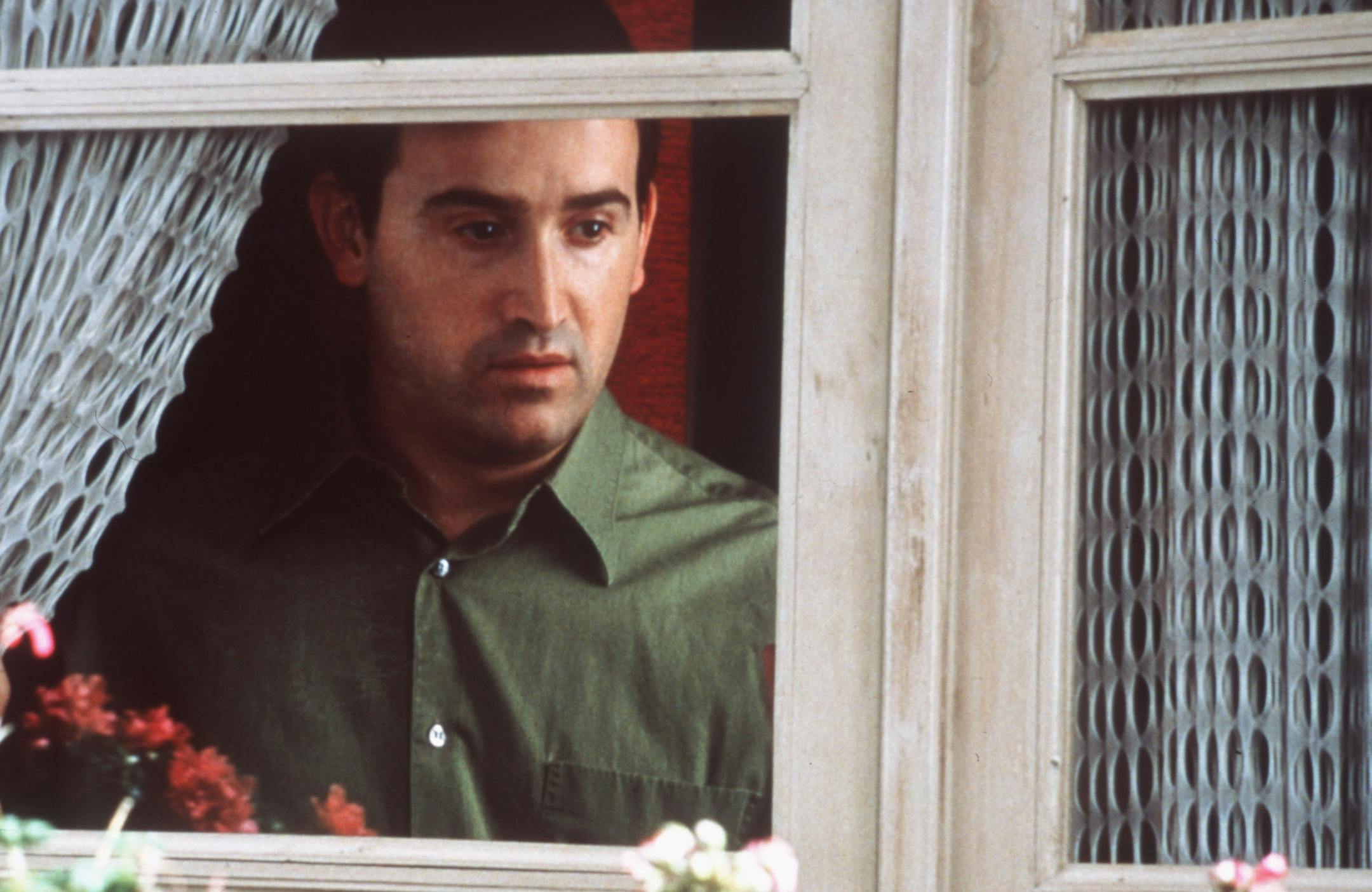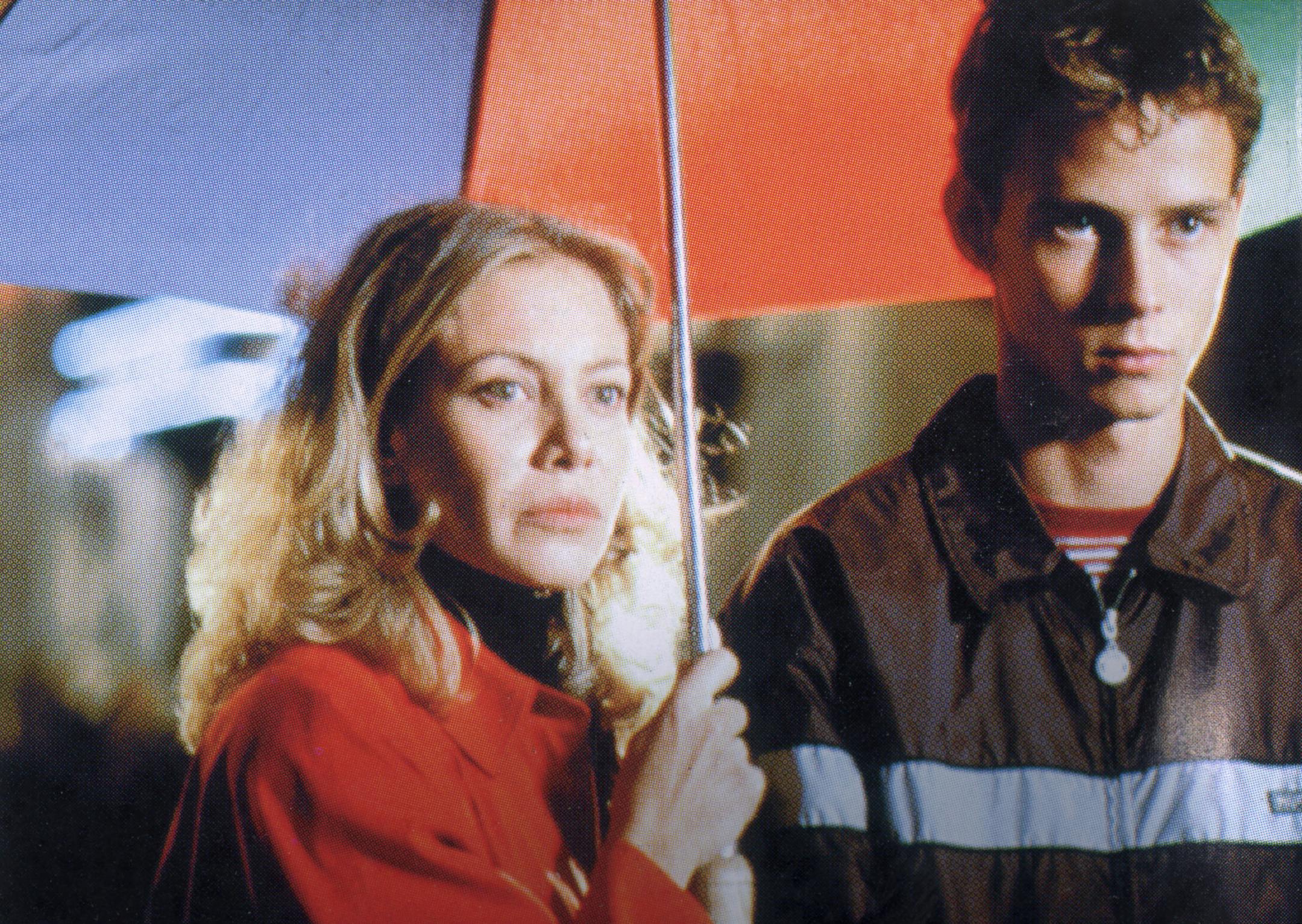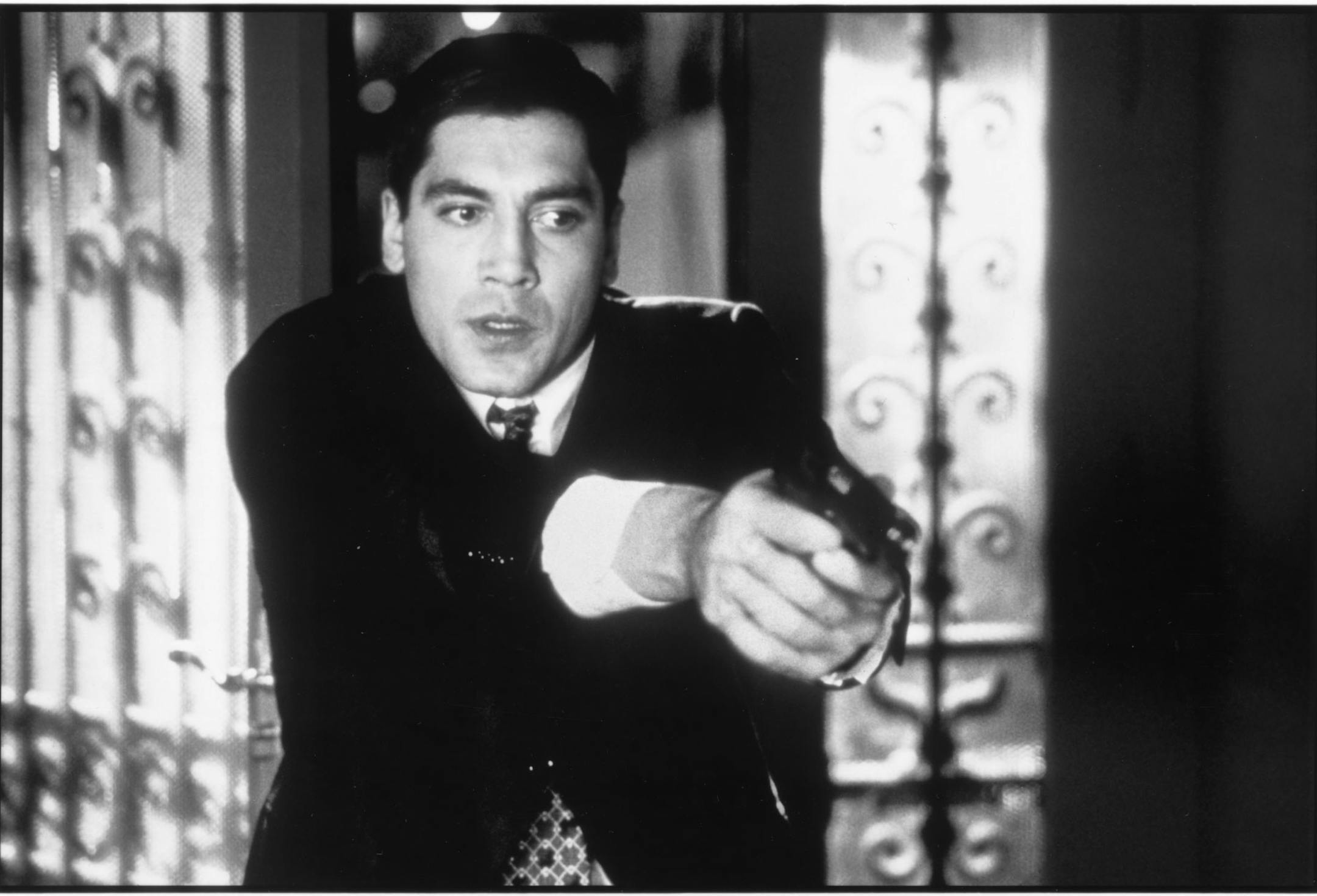
If you're interested in Pedro Almodóvar, Netflix is not your friend.
Movie fans' go-to service does not stream his work, but you can find it on on-demand services. Or, if you're in a buying mood, try the glitzy "Viva Pedro!" DVD set that includes nine of the Spaniard's best (and none of his worst — the less said about the coked-up "I'm So Excited!" and "Kika" the better).
It's worth catching up with his distinctive catalog, which includes comedies, thrillers, soap operas (often inspired by the 1950s work of Douglas Sirk, who made "Written on the Wind" and "All That Heaven Allows") and, sometimes, all of those things at once. Vibrant colors, garish decor, incredible plot twists and creatively stymied artists figure into many of Almodóvar's films, as does a recurring acting company that includes Antonio Banderas, Penélope Cruz and Carmen Maura.
An Oscar winner for his "Talk to Her" screenplay, Almodóvar will be in theaters next month with "The Human Voice," a visually stunning short film starring Tilda Swinton and based on a Jean Cocteau play that Almodóvar cites often (Maura plays a woman acting in it in "Law of Desire"). "Human Voice" will be paired with a new restoration of the fizzy "Women on the Verge of a Nervous Breakdown," so this is an ideal time to catch up on his films.
Because he's a movie fan as well as a director/writer, Almodóvar's influences are fun to spot, but more than four decades into his career, he has become influential himself. Almodóvar led the revitalization of Spanish moviemaking, for instance. And, as a gay man, he was way ahead of his time in depicting the complexity of gender, identity and sexuality.
Just as recent years have seen filmmakers break free of the "male gaze" that has dominated moviemaking and grounded most stories in how white men see them, Almodóvar matter-of-factly eliminated what could be called the "straight gaze." His characters are who they are and they don't care what anyone else thinks about it.
Whether by design or not, it's worth noting that the sexually frank Almodóvar was one of the first to embrace (and perhaps inspire) the NC-17 rating, which was originally intended to be an X without the porn implications. Several of his films earned the rating, including one of the first, "Tie Me Up! Tie Me Down!," as well as "Bad Education," "Matador" and "Law of Desire."
His recent movies push fewer buttons but show he still has plenty of stories to tell.