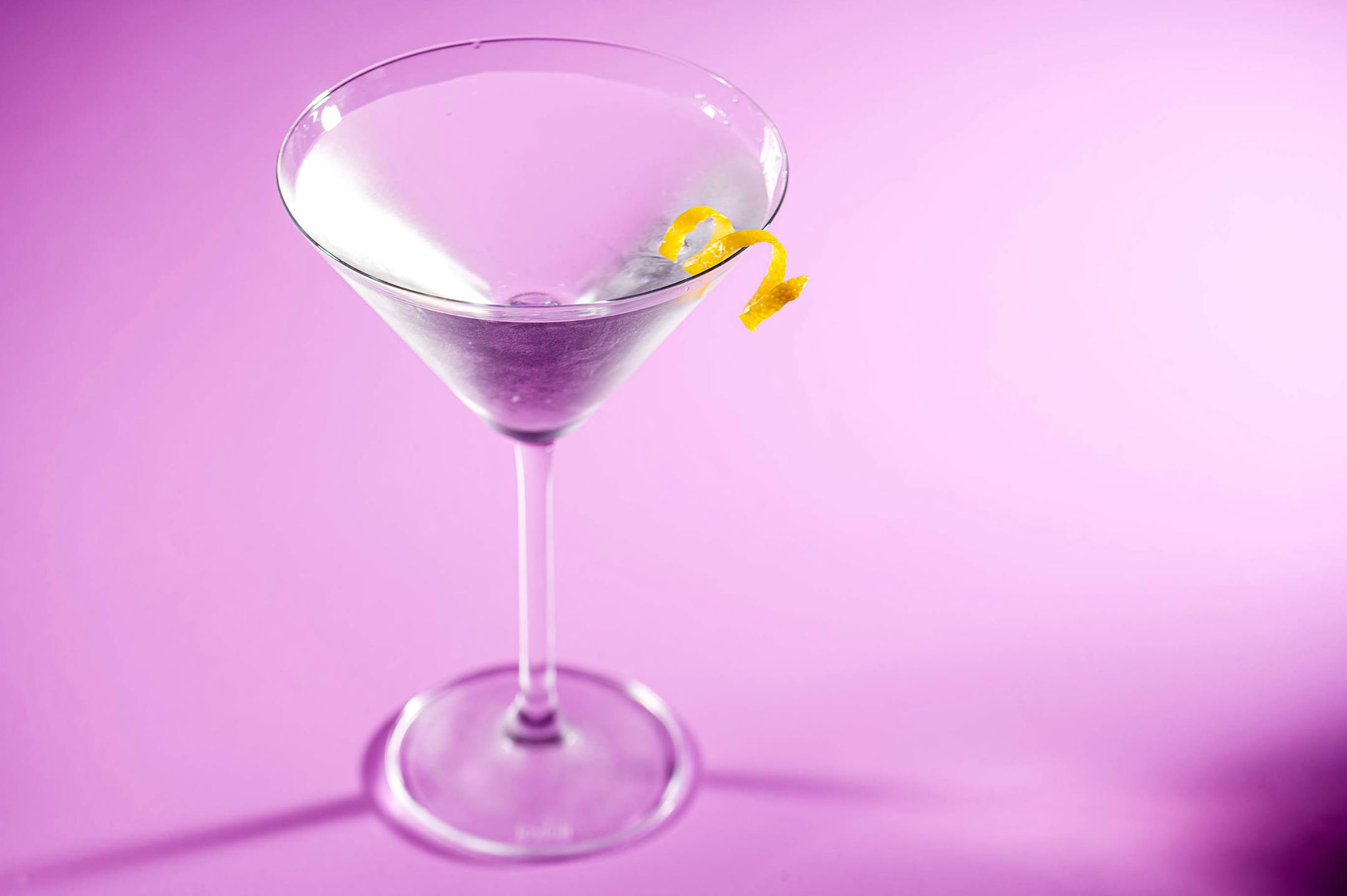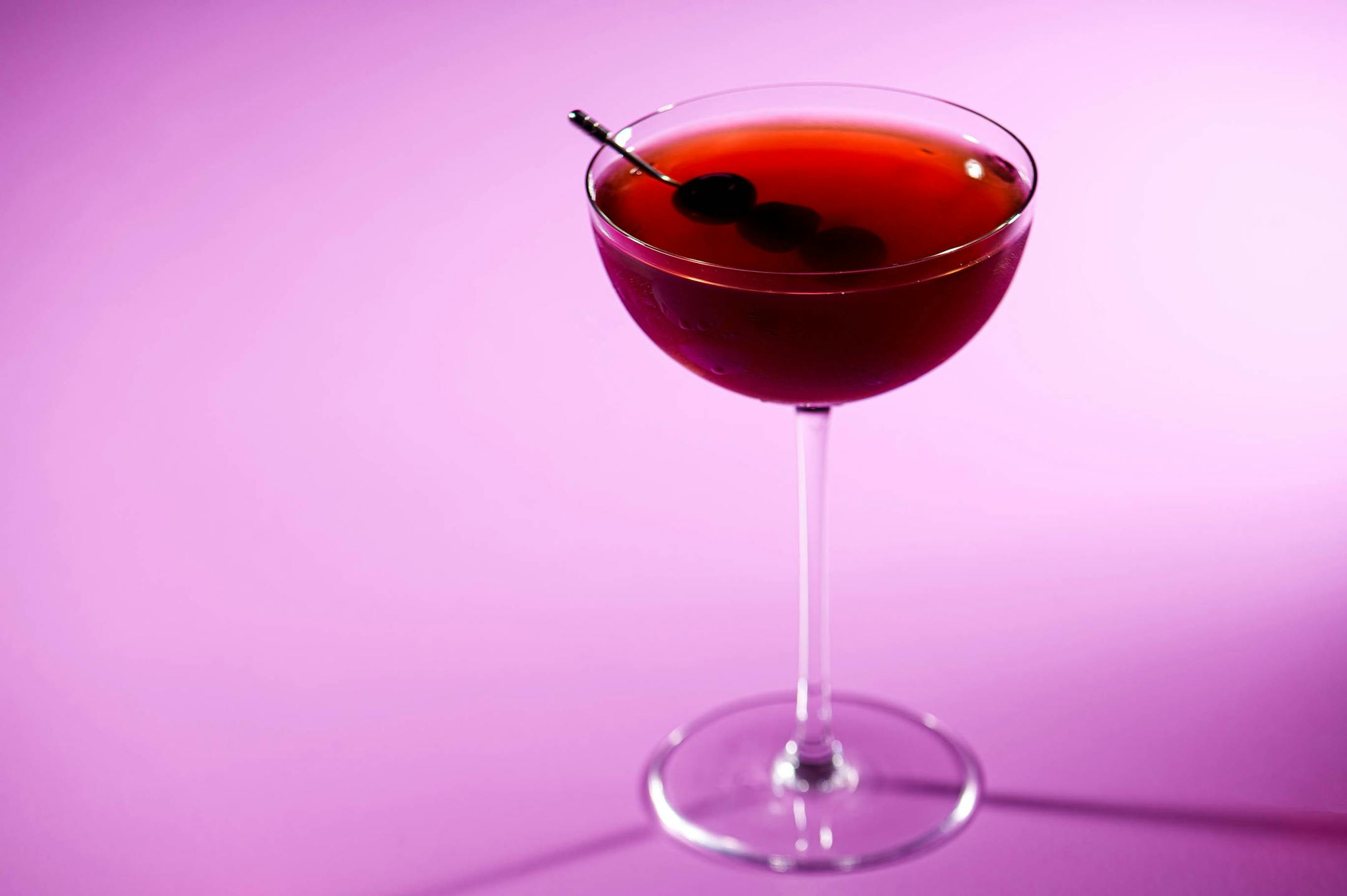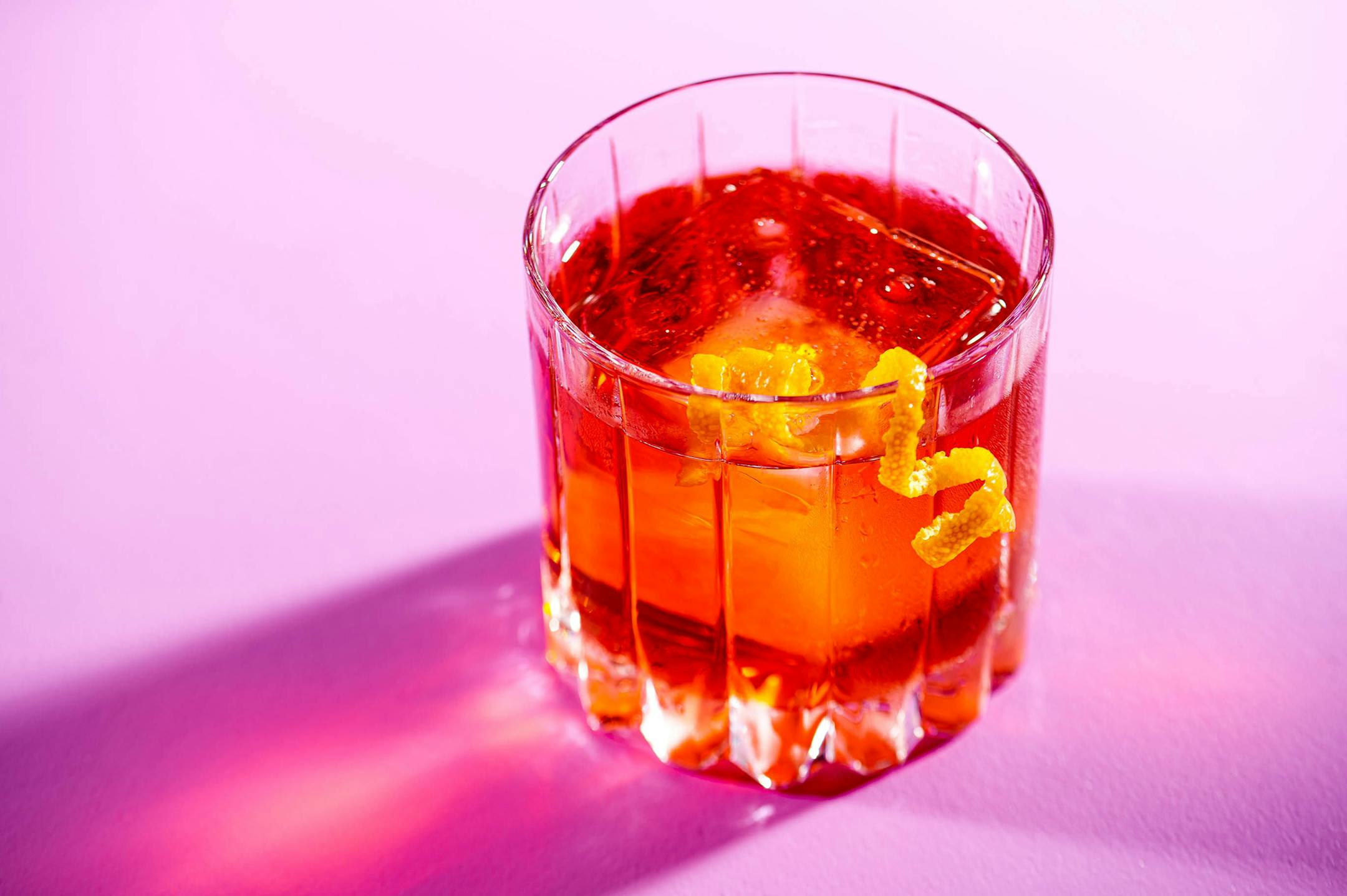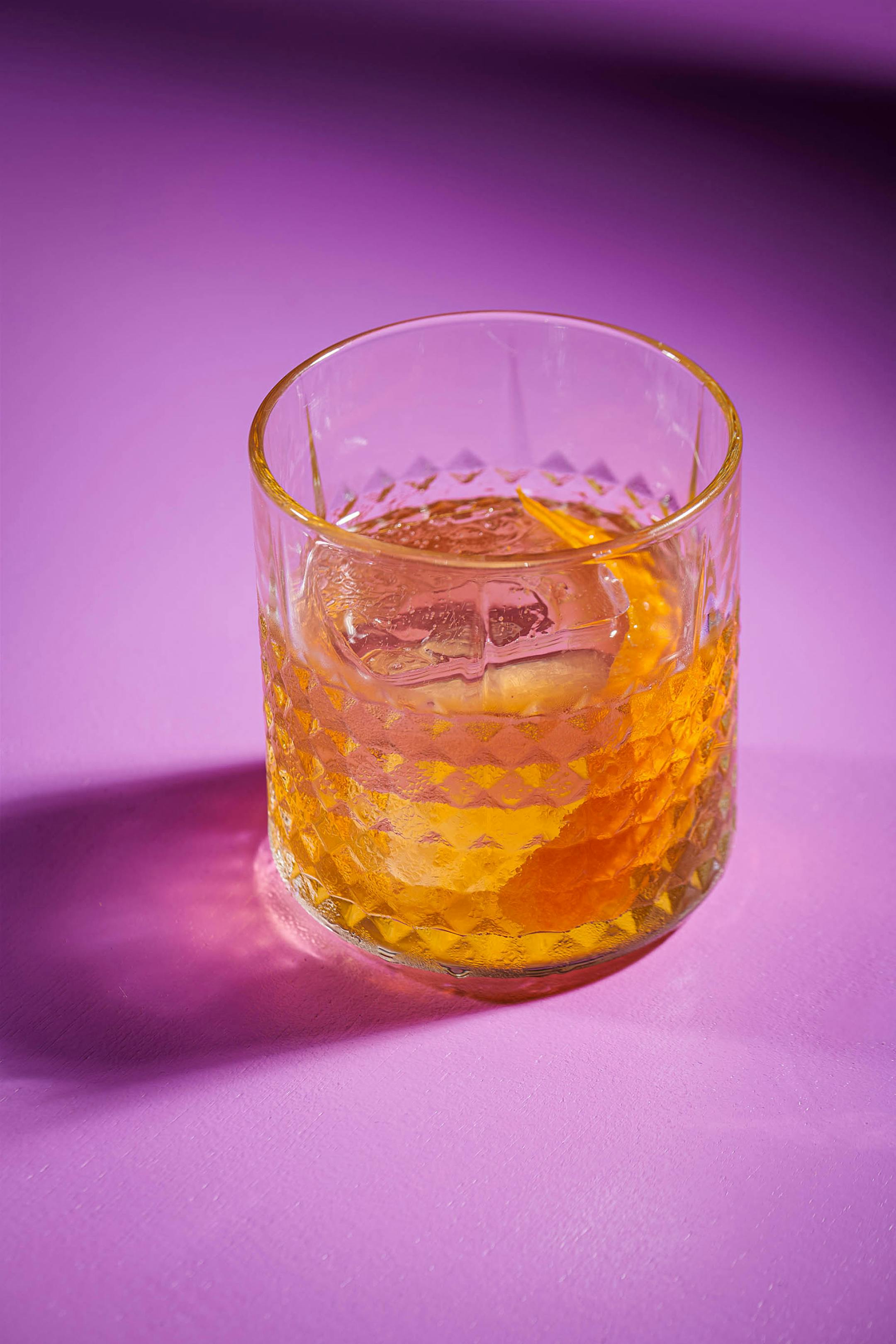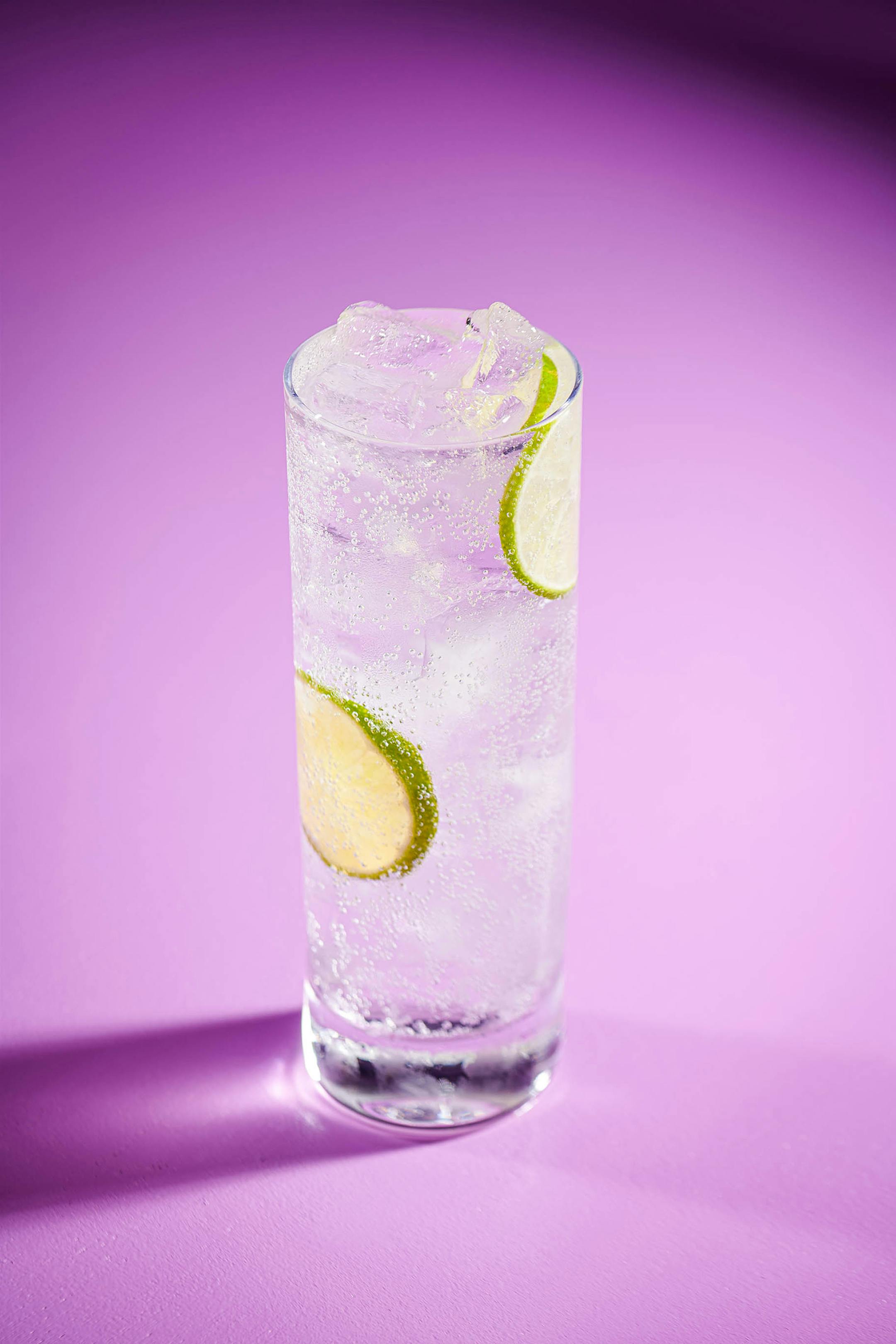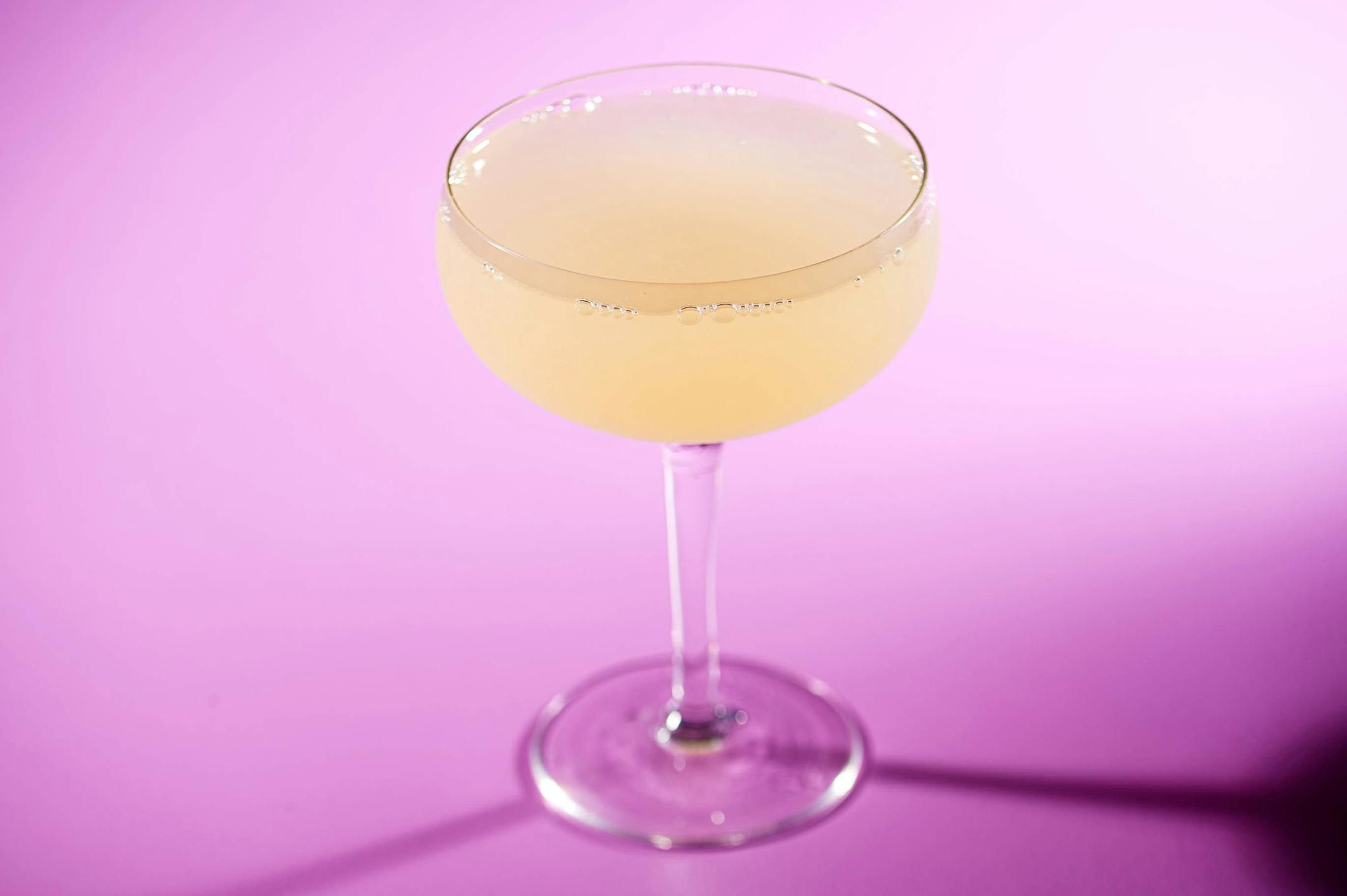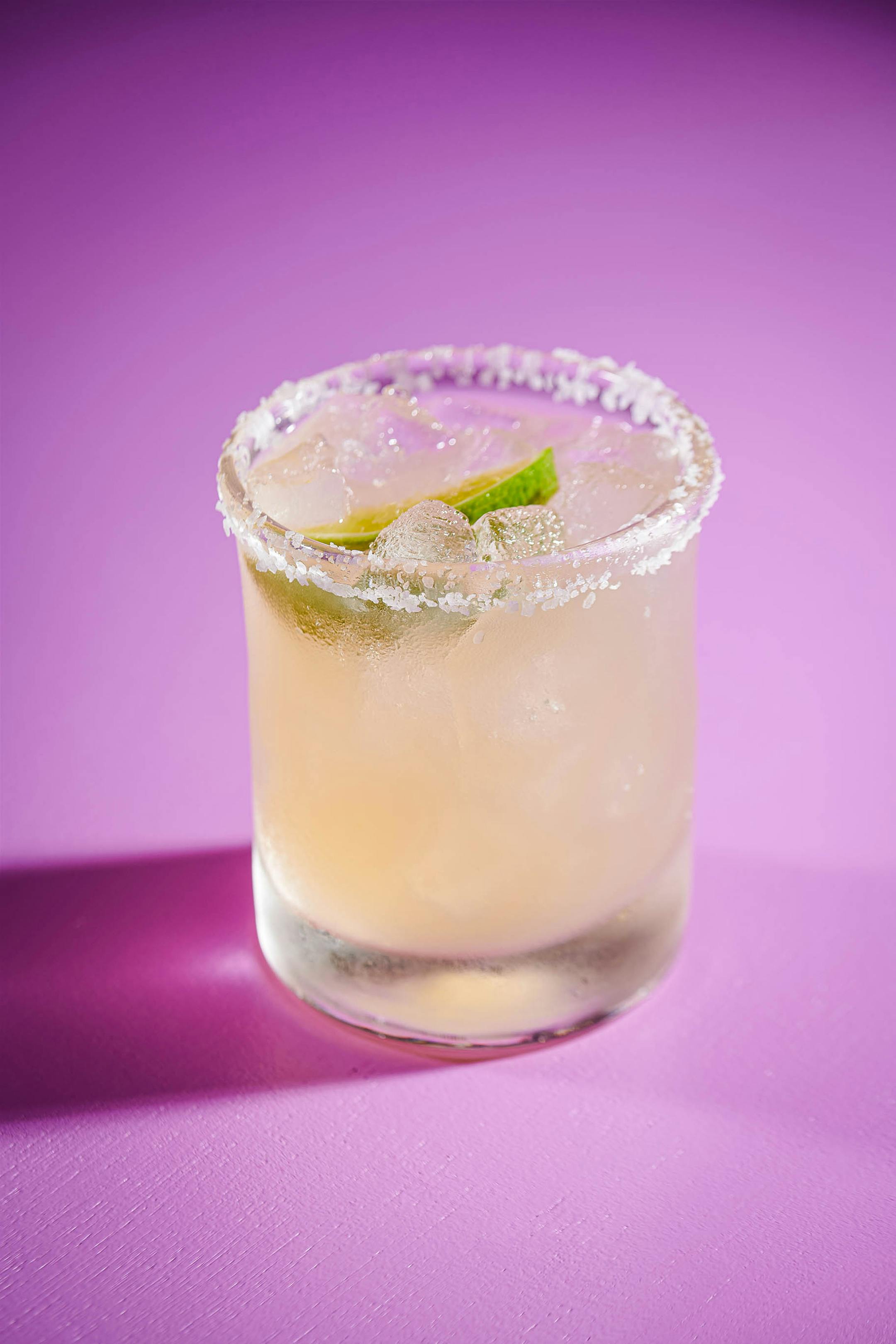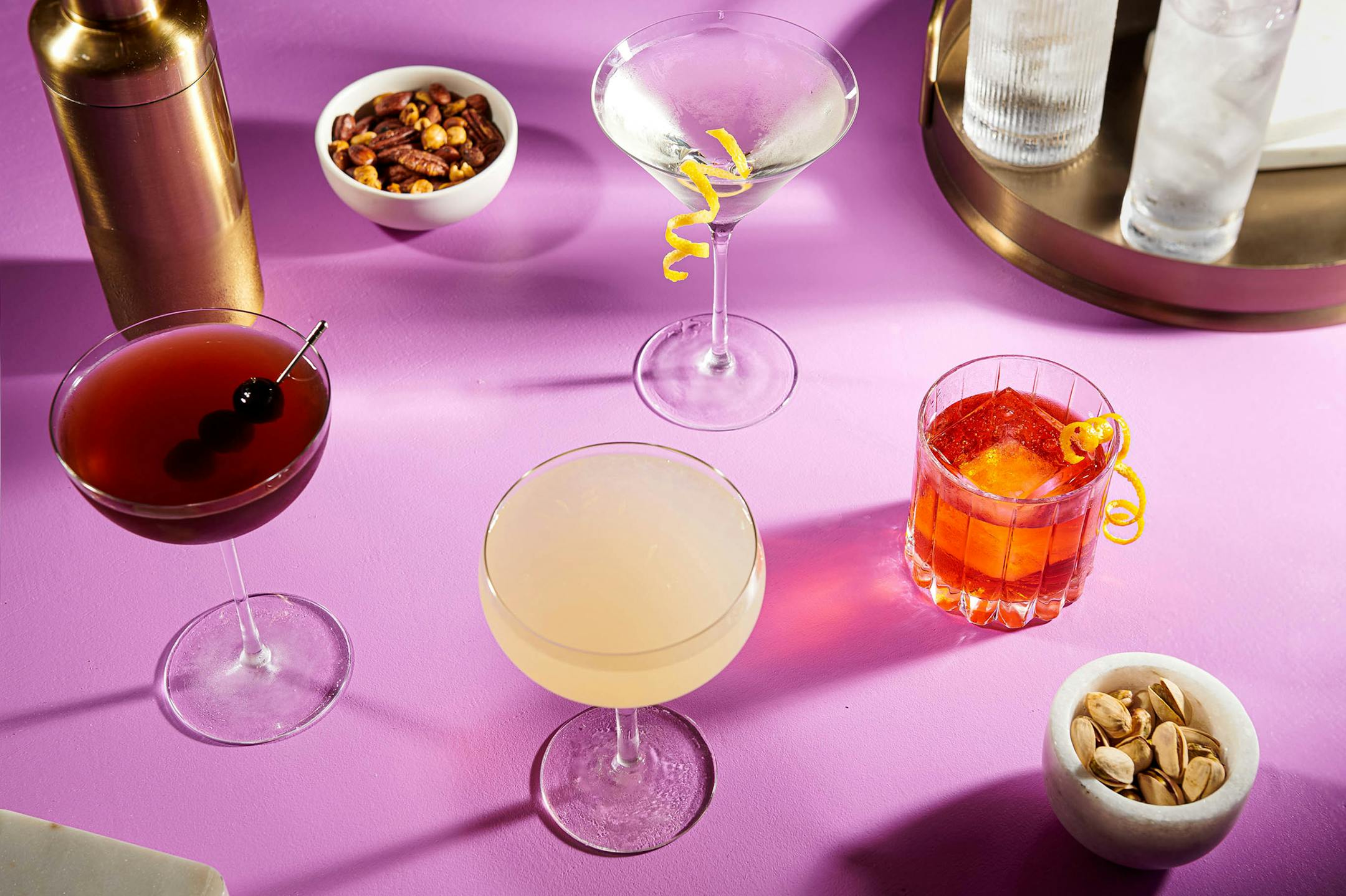
Whenever I entertain friends at my place, I wonder if one of them might challenge me — or rather, challenge my booze collection — by asking for a drink they've never had before. Will someone give me a reason to use that bottle of crème de violette I bought a decade ago and have only used 2 ounces of, or ask me to make something with that weird amaro hidden on the lower shelf? Maybe they'll want a Missionary's Downfall or a Flor de Jerez or an Alamagoozlum, a drink I have never made but really enjoy saying out loud.
It never happens. Even my fellow cocktail-geek friends don't typically arrive with schemes to throw down the booze gauntlet. They come to hang out, talk, relax and have a good drink, often something comforting and familiar. They want a margarita. They want an Old-Fashioned. They want something they know and love.
They want something on this list. And if you know how to make these drinks, you'll be a well-prepared cocktail host, and also well-prepared — if you want to be — to dive deeper down the cocktail rabbit hole.
These drinks are all essentials and all classics. It says something that after 20 years (give or take) of the cocktail renaissance and the explosion of bibulous invention and creativity it brought, the drinks many still regard as the most critical essentials have all been around for much longer. A few of them have been here for more than a century.
Which is not to say that many newer drinks aren't excellent. But many of the best and most enduring newer tipples were built on the foundations these drinks had laid, executing their proportions and principles — fresh juices, balanced flavors, quality spirits — in new ways.
All of these essential cocktails are makeable with ingredients easily sourced at your neighborhood liquor and grocery stores, which is certainly part of what's helped them spread around the world. In making these, you'll learn a lot about cocktails as a whole. They'll teach you techniques that apply across the category: how long to mix, how long and hard to shake, how to strain. You'll learn about balance, you'll (hopefully) learn not to be afraid of a little bitterness, you'll learn how salt and sugar act as flavors and enhancers of other flavors, a cheer squad urging their fellow ingredients to greatness.
Make them repeatedly and they'll teach you one of the most important lessons for the home cocktailer — what you like. What is your preferred gin-to-vermouth ratio in a martini, a matter that has been opined upon by prime ministers and presidents? Do you agree the Negroni is best as an equal-parts drink, or do you like it better when you boost the gin a bit? Do you prefer to double-strain your daiquiri until it's a silky froth, or do you kind of like the mouthfeel of the tiny ice chips a single strain delivers? What's the effect of switching out the vermouths in your Manhattan, or bitters or whiskeys — or maybe an aged rum?
All these questions lead to more questions. See how deep the rabbit hole goes?