

WASHINGTON — The decision by President Joe Biden and his top advisers to keep the discovery of classified documents secret from the public and even most of the White House staff for 68 days was driven by what turned out to be a futile hope that the incident could be quietly disposed of without broader implications for Biden or his presidency.
The handful of advisers who were aware of the initial discovery on Nov. 2 — six days before the midterm elections — gambled that without going public, they could convince the Justice Department that the matter was little more than a minor, good-faith mistake, unlike former President Donald Trump's hoarding of documents at his Florida estate.
In fact, the Biden strategy was profoundly influenced by the Trump case, in which the former president refused to turn over all the classified documents he had taken, even after being subpoenaed. The goal for the Biden team, according to people familiar with the internal deliberations who spoke on condition of anonymity, was to win the trust of Justice Department investigators and demonstrate that the president and his team were cooperating fully. In other words, they would head off any serious legal repercussions by doing exactly the opposite of what the Biden lawyers had seen the Trump legal team do.
In the short term, at least, the bet seems to have backfired. Biden's silence while cooperating with investigators did not forestall the appointment of a special counsel, as his aides had hoped, but still resulted in a public uproar once it became clear that the White House had hidden the situation from the public for more than two months. Biden's advisers still hope that the trust they believe they have engendered with investigators by not litigating the matter in public may yet pay off in the long run, by convincing the special counsel that nothing nefarious took place.
In the meantime, though, the strategy has left Biden open to withering criticism for concealing the discovery for so long. And now, after a productive year that had seemed to leave the president in a strong position to announce a reelection campaign, the handling of the documents case has eroded his capacity to claim the high road against Trump, while also raising questions about his team's ability to navigate Republican attacks from Capitol Hill.
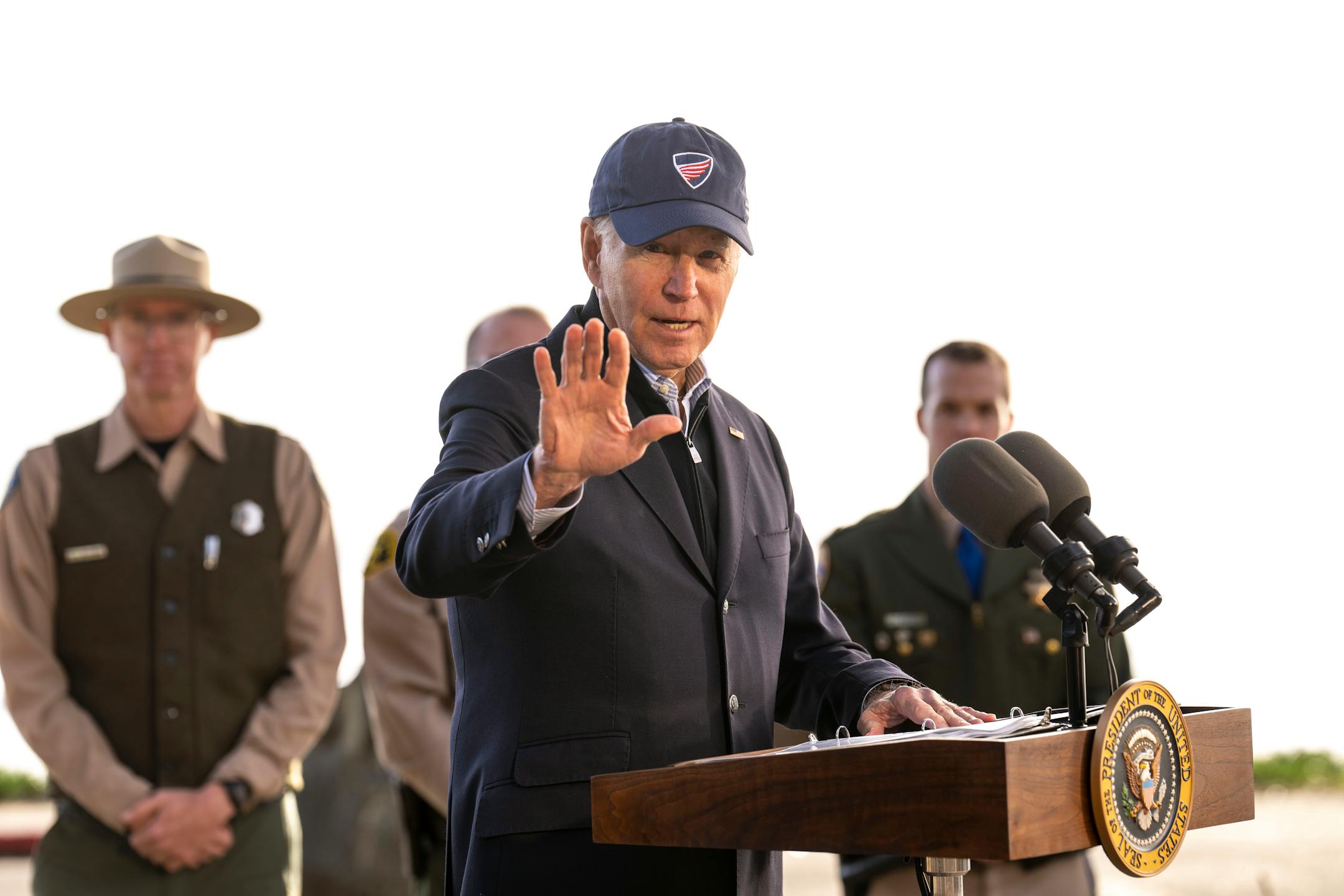
On Thursday evening, during a trip to California to tour storm damage, Biden tried to brush off questions from reporters about whether he regretted not divulging earlier that classified material had been found.
"We are fully cooperating, looking forward to getting this resolved quickly," he said. "I think you're going to find there's nothing there. I have no regrets. I'm following what the lawyers have told me they want me to do. It's exactly what we're doing. There's no 'there' there."
The discussions on how to deal with the matter, at least at the start, were confined to the husband-and-wife pair of Bob Bauer, the president's top personal attorney, and Anita Dunn, a White House senior adviser; Stuart F. Delery, the White House counsel; and Richard Sauber, a White House lawyer overseeing the response to investigations, according to people familiar with the situation.


