

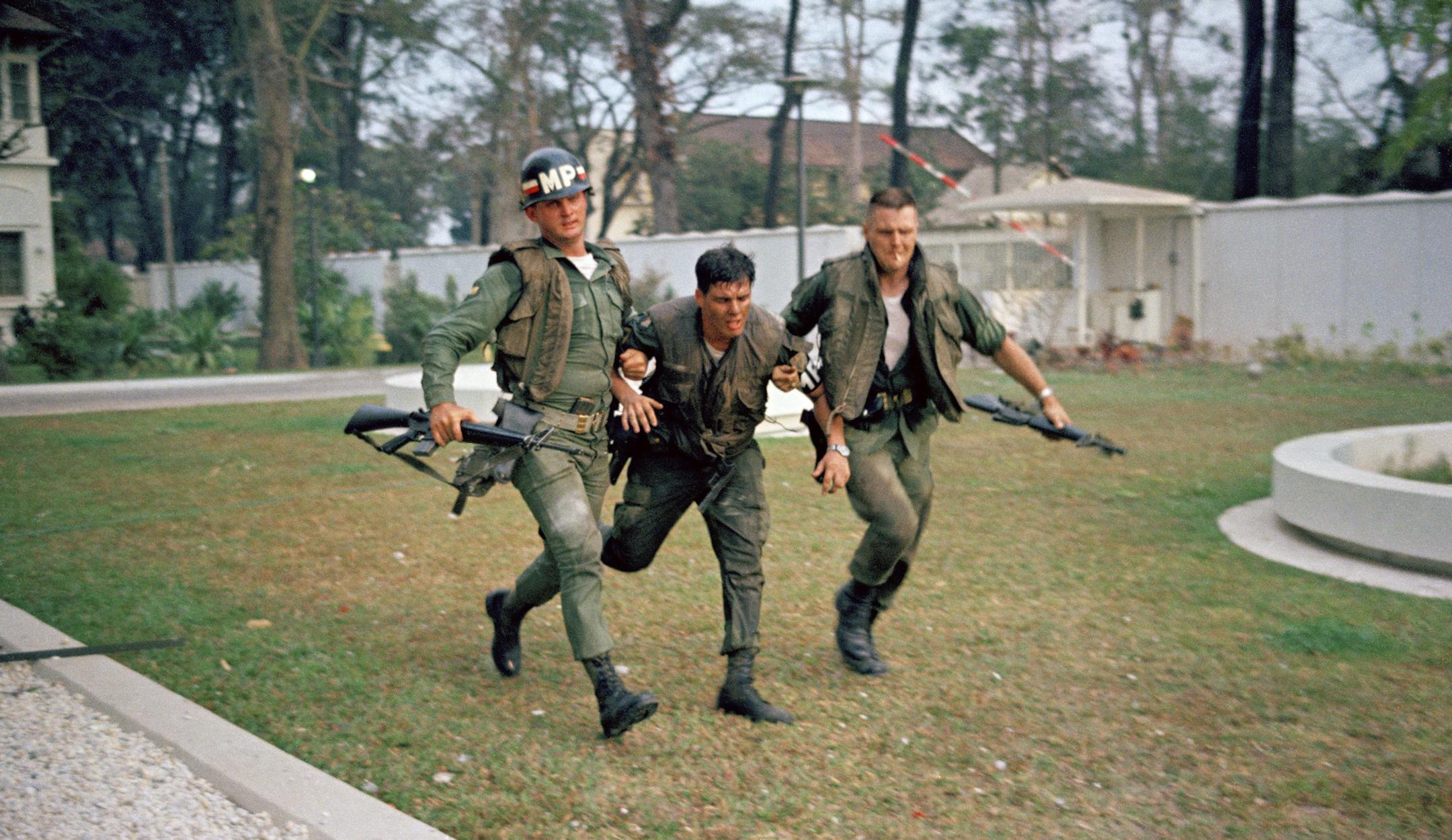
Fifty years ago, North Vietnamese Communist attacks on South Vietnam's towns and cities, launched at the end of January 1968, were a tragedy for South Vietnam.
The Tet Offensive that raged in the early part of that year, planned and ordered exclusively by Hanoi's Communist leadership to crush its nationalist rivals, threw Hanoi's South Vietnamese followers, the Viet Cong, mostly to their deaths in frontal assaults that gave them no means of retreat.
In two weeks of fighting, the Communists lost 33,000 killed. With Viet Cong ranks decimated, Hanoi sent south some 141,000 of its regular soldiers. By the end of 1968, the Communists had lost a combined 181,149 southern Viet Cong and invading North Vietnamese regulars.
By 1973, when Hanoi signed a peace agreement promising independence and freedom to the South Vietnamese, its Viet Cong partisans had been reduced to only 25,000 soldiers.
South Vietnam, by contrast, had 748,000 combat troops along with some 1 million citizens in lightly armed self-defense units. Saigon controlled 90 percent of South Vietnam's population, 85 percent of which lived in secure communities.
So why was 1968's Tet Offensive so tragic for the South Vietnamese?
Tet turned Americans against the Vietnamese defending their nationalist values through a government in Saigon, just as non-Communist Germans had a state in West Germany and nationalist Koreans had a state in South Korea.
In 1975, when Hanoi violated the Paris Peace Accords with a massive, illegal invasion of South Vietnam, the U.S. abandoned its allies. The Democratic Congress cut military aid, and the Republican Ford Administration did not send B-52 bombers to stop Hanoi's divisions while they were out in the open on the march south.


