

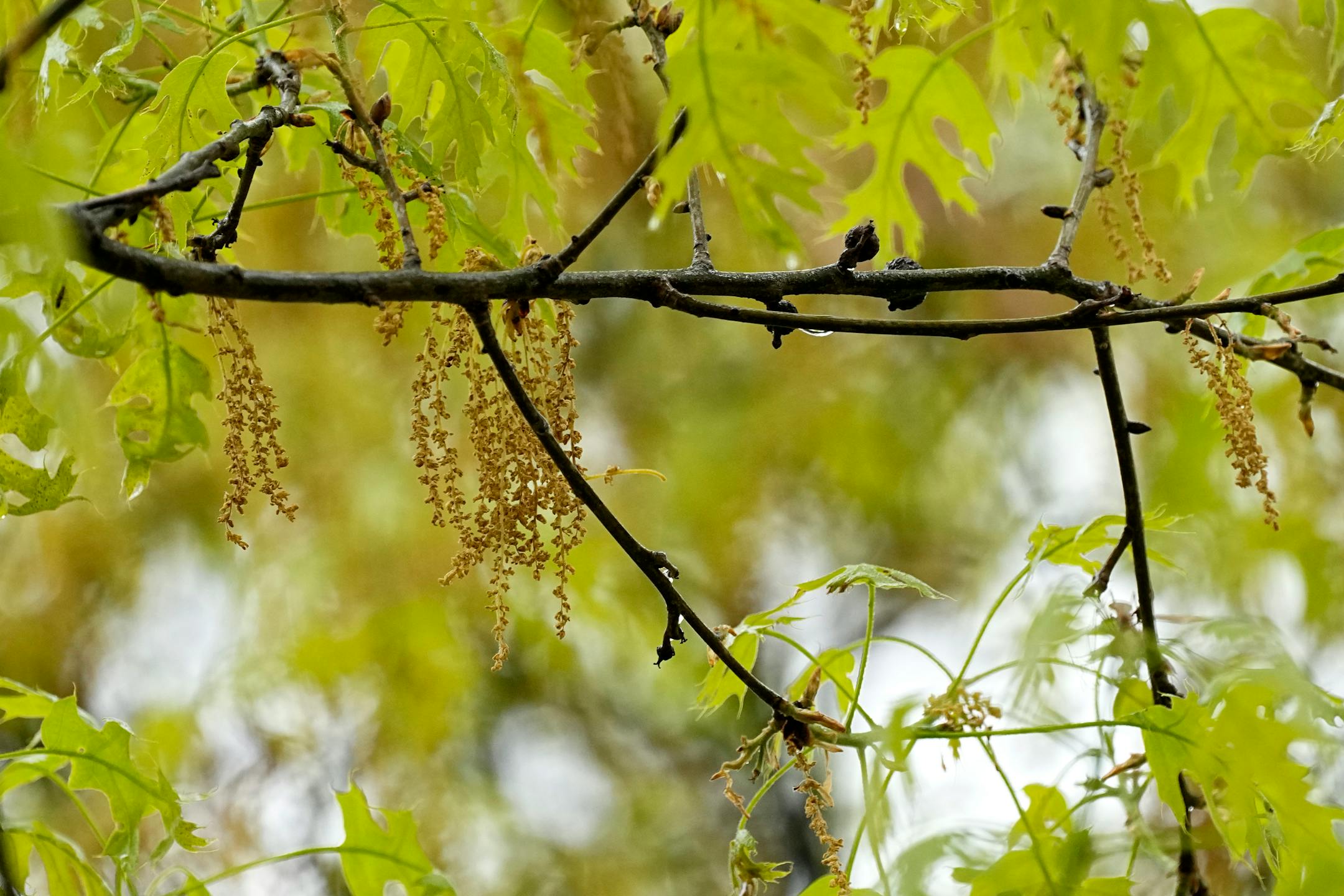
Along with warmer weather and more daylight, spring brings an explosion of pollen, which can make exercising outdoors an itchy, sniffly challenge.
While anyone who spends time outdoors will be exposed to allergens, exercisers often feel their effects more severely because they inhale higher doses, according to experts.
For the more than 25% of American adults who are sensitive to seasonal allergens, exposure can irritate the airway from the nose down to the lungs, which can affect both exercise performance and recovery.
“When the tissues in your nose swell, it’s mechanically harder for air to get from your nose into your airway,” said Dr. Manan Shah, an allergist in Denver who works with athletes to optimize their performance.
The inflammation often lingers after a workout and can affect sleep and prevent muscles from healing properly. The key, according to Shah, is to prevent allergic reactions from happening in the first place, because inflammation can be tough to control once it starts.
Here’s some advice about exercising amid allergens:
• Be strategic about when you work out.
When you train outdoors, you can’t avoid allergens entirely, but you can limit the amount by exercising either in the early morning or the early evening, when pollen counts are often lower and moisture can tamp them down.


