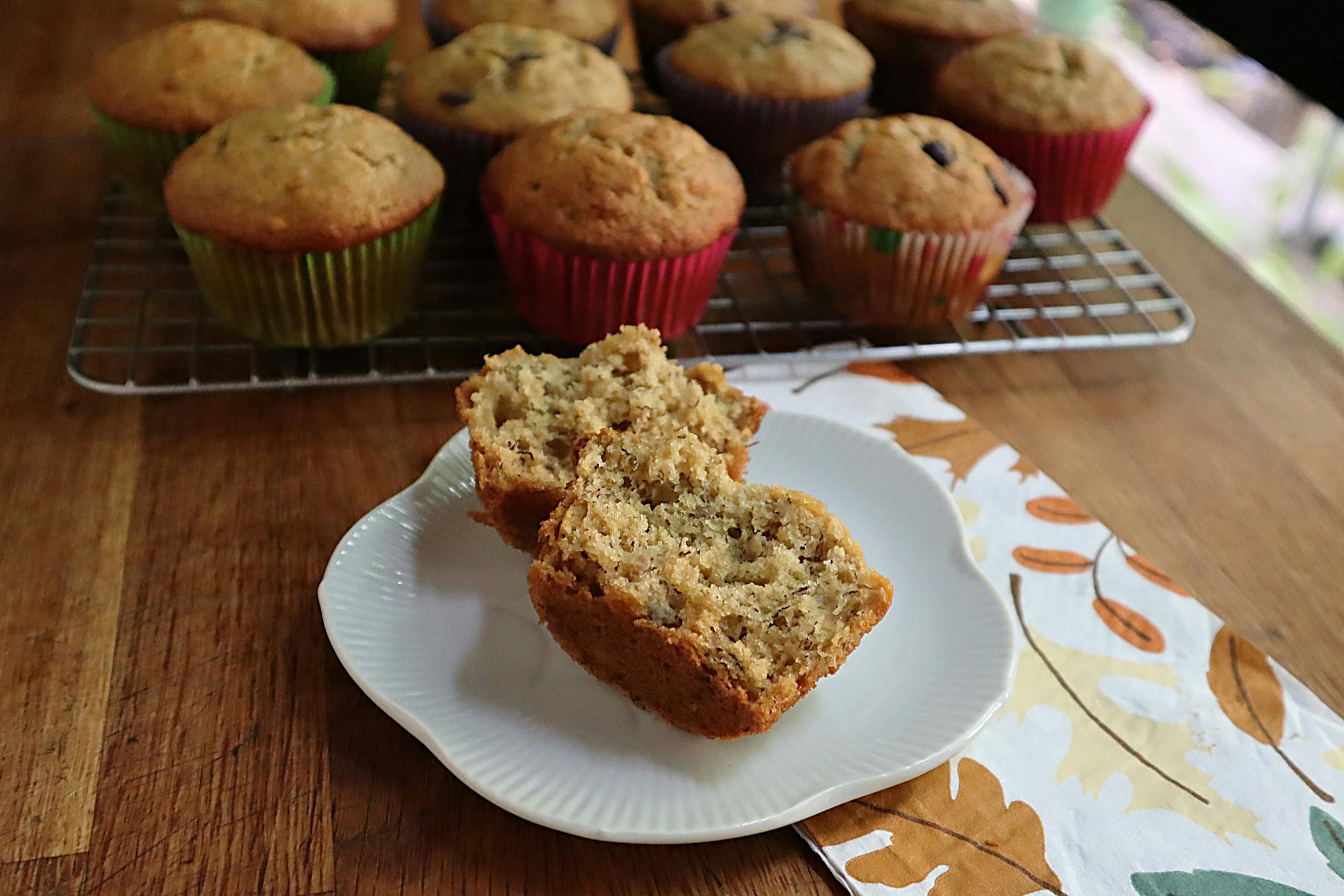
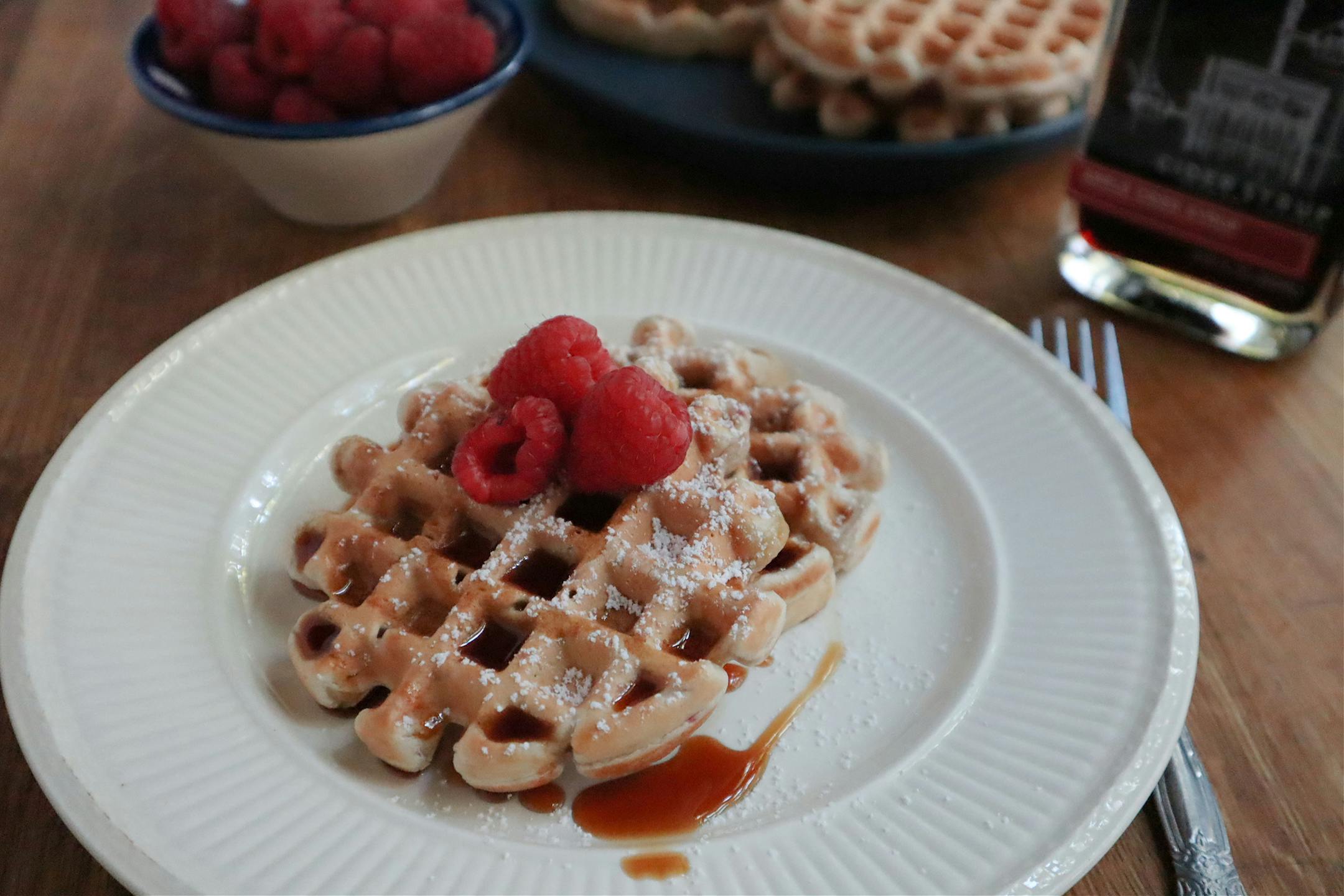
School and fall routines are well underway, and that means finding creative ways to get a quick and nutritious breakfast into children's stomachs before they head out the door.
Breakfast skipping among children and adolescents is more prevalent than you might hope. The latest figures from the Centers for Disease Control and Prevention show about 14% of kids ages 6-11 and 17% of adolescents ages 12-19 regularly head to class on an empty stomach.
And it only gets worse as they grow older. The CDC found that 75% of teens surveyed in the fall of 2021 said they were not eating breakfast daily, up from 66.9% in 2019.
The plain truth is that kids who eat breakfast do better in school. Studies show that breakfast eaters tend to have higher attendance, are less frequently tardy and experience fewer hunger-induced stomachaches. Assuring that students are well-fed is among the reasons Minnesota now has a universal school meal law that provides no-cost breakfast and lunch to the state's 800,000-plus students, regardless of family income.
"It is very hard to concentrate, retain knowledge and really learn when you are hungry," said Judy Siebert, a dietician with West Virginia University's Medical Weight Management Clinic at J.W. Ruby Memorial Hospital. "The brain only uses glucose for energy, so if that is low, it's very hard to learn and retain new concepts."
Behaviors are a concern also. All of us are more likely to act out when hungry (hangry!), said Siebert, who is also a consultant dietician for Head Start.
What you eat is also important. You want all macro nutrients (proteins, fats and carbohydrates) at each meal, Siebert said. Sugary cereals — which light up the reward center in our brains — are no longer considered a good start to the day. Any cereal with more than 6 grams of sugar per ounce falls into the "candy" category.
So what's a plan for success?