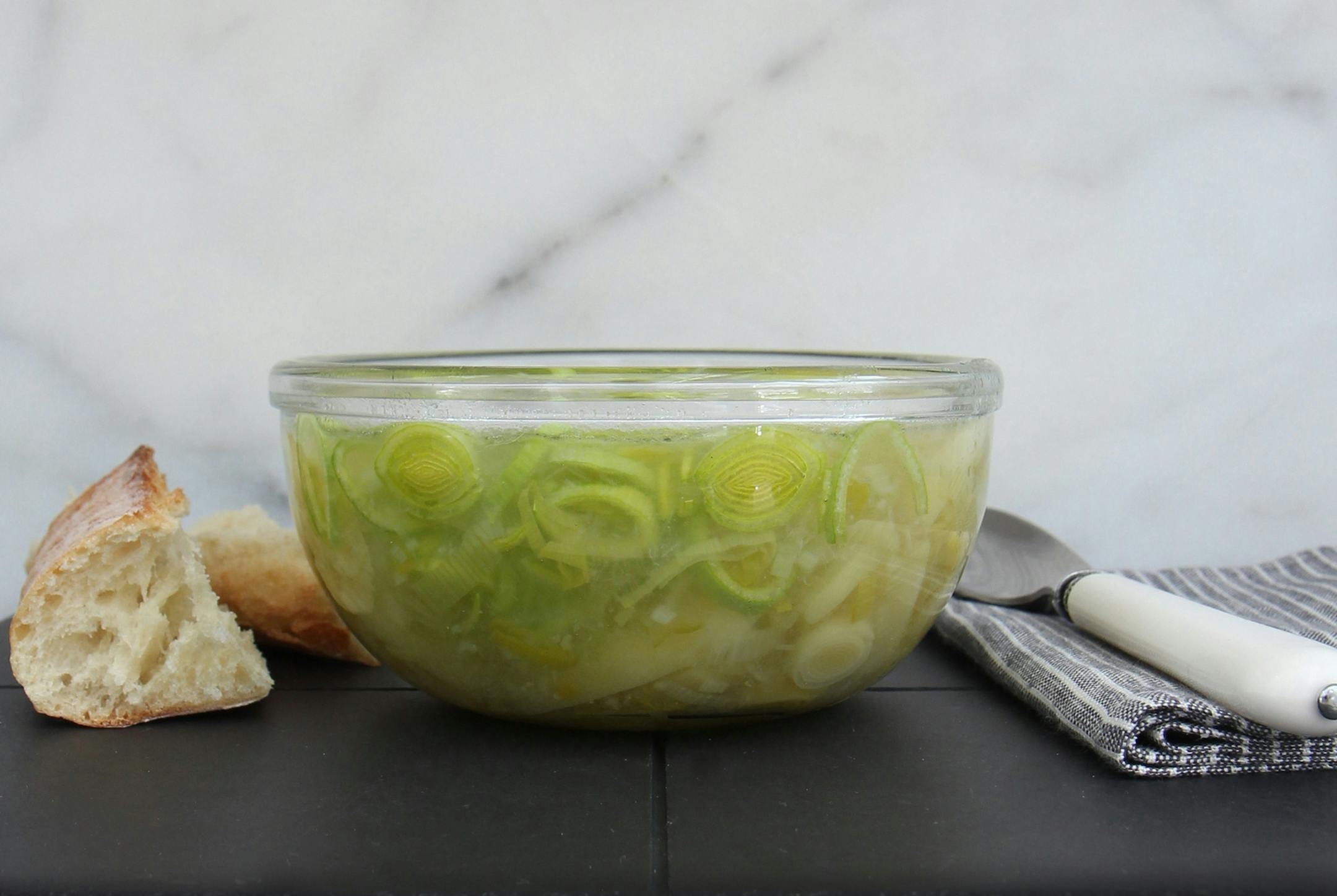
About halfway through making Richard Olney's Potato and Leek Soup, the question suggests itself, "OK, what exactly is going on here?"
The confusion arises not from what you might expect in a French cookbook — complexity, unfamiliar terms, technical difficulty — but from the recipe's merciless spareness and simplicity.
Five ingredients: Water, salt, potatoes, leeks, butter.
Instructions? Boil the sliced vegetables in the salted water and stir in the butter just before serving. No sautéing. No stock. No cream. No wine. No herbs.
Which prompts the question, as you lean into the sharply fragrant steam above the soup pot, and poke at an agitated mat of simmering leek slivers, "Am I actually making soup? Or am I just boiling some vegetables?"
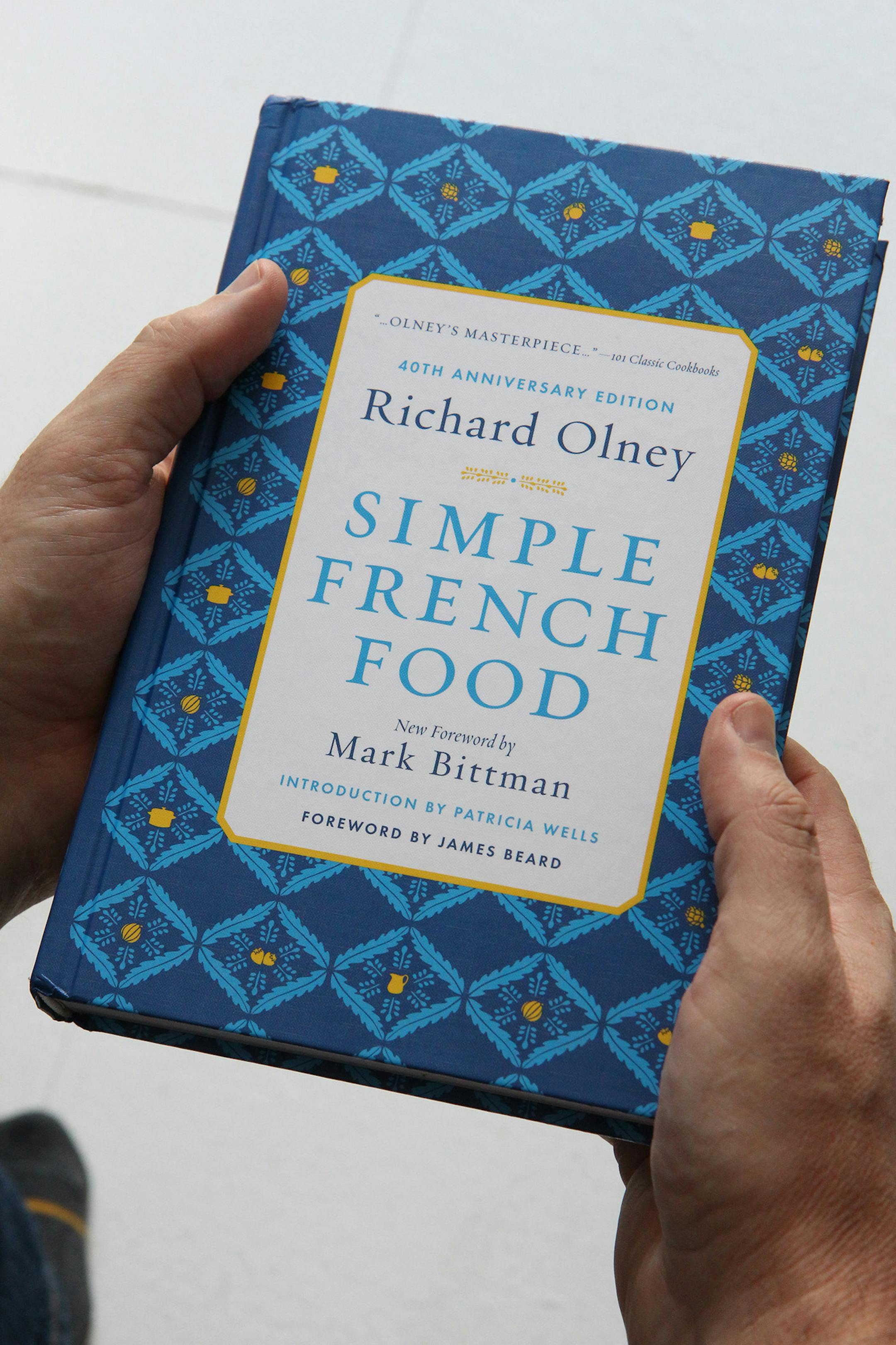
The recipe straddles two pages of Olney's classic cookbook, "Simple French Food" (Houghton Mifflin Harcourt, 454 pages, $24.99), just reissued in a 40th-anniversary edition. It was his second book, after "The French Menu Cookbook," which the Observer Food Monthly recently judged the best cookbook ever.
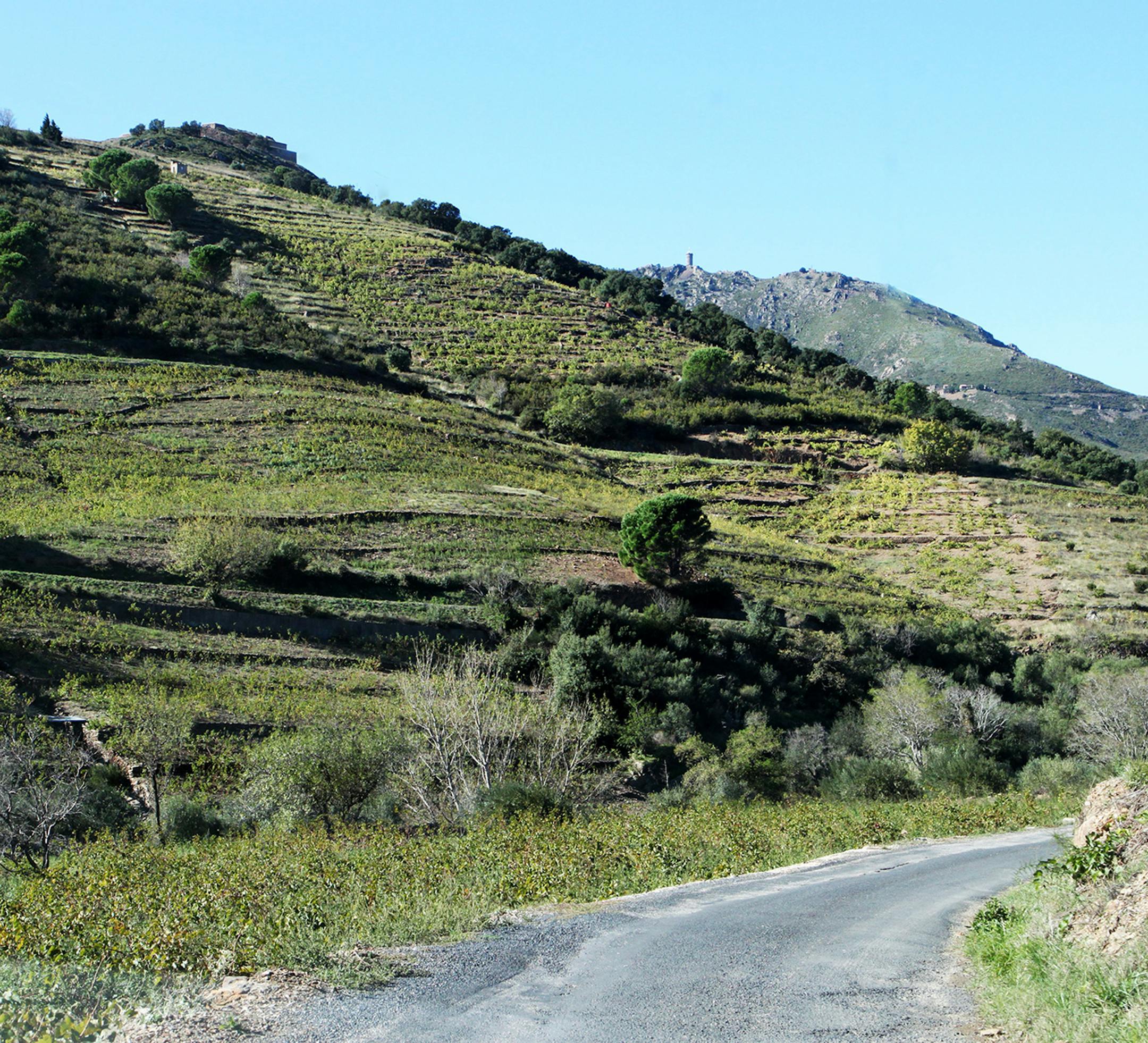
If you're asking yourself, "Richard who?" you're not alone among Americans. Although he mingled with the most famous Anglophone chefs and food writers of the 20th century — James Beard, Julia Child, M.F.K. Fischer, Elizabeth David, Alice Waters — he built his fearsome but slightly cultish reputation on a life spent in retreat: cooking, painting, writing, foraging and hosting the occasional legendary feast — on a rocky Provençal hillside, in a small house with a big kitchen, up a road he laid himself, in the village of Solliès-Toucas, surrounded by the vines of Bandol.
This slightly monkish quality forms a great part of his appeal. He was not only advocating for simple, seasonal, local food back when Alice Waters was still in her 20s, but he actually carved for himself a simple, focused personal world out of the distractions and complexities of modern life — something we all say we want to do, just before we reach for our iPhones to check our Instagram feeds.